
SDIC Importers for Hospitals: Prevention Sterile
Introduction
In the modern healthcare landscape, maintaining sterile environments is not just a regulatory requirement—it is a critical component of patient safety and infection control. Hospitals worldwide are continuously seeking reliable, effective, and cost-efficient disinfection solutions. Sodium Dichloroisocyanurate (SDIC) has emerged as one of the most trusted chemical compounds for hospital sterilization and prevention protocols. This comprehensive guide explores why SDIC importers play a vital role in healthcare supply chains and how medical facilities can leverage this powerful disinfectant for optimal infection prevention.
Understanding SDIC: The Science Behind Hospital Sterilization
What is Sodium Dichloroisocyanurate?
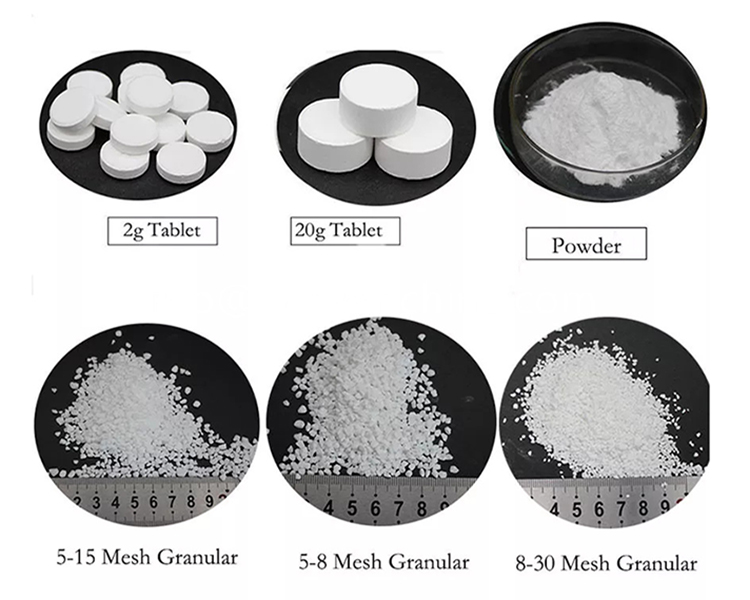
Sodium Dichloroisocyanurate, commonly abbreviated as SDIC, is an organic compound with the chemical formula C₃Cl₂N₃NaO₃. This white crystalline powder serves as a potent oxidizing agent and broad-spectrum disinfectant. When dissolved in water, SDIC releases hypochlorous acid, which effectively eliminates bacteria, viruses, fungi, and spores.
Key Chemical Properties
SDIC offers several distinctive characteristics that make it ideal for hospital applications:
- High Active Chlorine Content: Typically ranging from 55% to 60%, ensuring powerful disinfection capabilities
- Excellent Water Solubility: Allows for easy preparation of disinfectant solutions
- Stable Shelf Life: Maintains effectiveness when stored properly in dry conditions
- Low Toxicity Profile: Safer for healthcare workers compared to many alternative disinfectants
- Broad pH Range Effectiveness: Works efficiently across various pH levels
Why Hospitals Choose SDIC for Infection Prevention
Comprehensive Microbial Control
Healthcare facilities face constant challenges from multidrug-resistant organisms and emerging pathogens. SDIC provides reliable protection against a wide range of microorganisms including:
- Methicillin-resistant Staphylococcus aureus (MRSA)
- Clostridium difficile spores
- Hepatitis viruses
- Influenza and coronavirus strains
- Various bacterial and fungal pathogens
Cost-Effectiveness for Large-Scale Operations
Hospitals operate on tight budgets while maintaining the highest standards of care. SDIC importers offer bulk purchasing options that significantly reduce per-unit costs compared to retail disinfectant products. The concentrated nature of SDIC means smaller quantities achieve the same disinfection results as larger volumes of alternative products.
Regulatory Compliance Support
Medical facilities must adhere to strict regulatory standards from organizations such as the FDA, EPA, and international health authorities. Quality SDIC suppliers provide necessary documentation including:
- Certificate of Analysis (COA)
- Material Safety Data Sheets (MSDS)
- Regulatory compliance certificates
- Batch testing reports
Selecting the Right SDIC Importer for Your Hospital
Quality Assurance Criteria
When evaluating potential SDIC importers, hospitals should consider several critical factors:
Manufacturing Standards: Verify that suppliers follow Good Manufacturing Practices (GMP) and maintain ISO certifications. This ensures consistent product quality and safety.
Testing Protocols: Reputable importers conduct rigorous testing for active chlorine content, moisture levels, heavy metals, and microbial contamination before shipment.
Supply Chain Reliability: Assess the importer’s ability to maintain consistent supply, especially during global health emergencies when demand spikes.
Technical Support and Documentation
Professional SDIC importers should provide comprehensive support including:
- Product application guidance
- Dosage recommendations for various hospital areas
- Safety training materials
- Emergency response protocols
- Customized packaging options
Logistics and Delivery Considerations
Hospitals require timely delivery to maintain uninterrupted infection control programs. Evaluate importers based on:
- Shipping capabilities to your region
- Customs clearance expertise
- Warehousing facilities
- Emergency order fulfillment
- Temperature-controlled transport options
Implementation Best Practices for Hospital SDIC Usage
Surface Disinfection Protocols
For general surface disinfection in patient rooms, operating theaters, and common areas:
- Prepare solution according to manufacturer specifications
- Apply using approved cleaning equipment
- Allow appropriate contact time (typically 5-10 minutes)
- Rinse if required for food contact surfaces
- Document cleaning procedures for compliance records
Instrument Sterilization Applications
SDIC solutions can be used for certain medical instrument disinfection when autoclaving is not feasible. Always follow device manufacturer guidelines and hospital infection control policies.
Water Treatment in Healthcare Facilities
Many hospitals utilize SDIC for water system disinfection to prevent Legionella and other waterborne pathogens. This application requires careful concentration monitoring and regular testing.
Safety Considerations for Healthcare Workers
Personal Protective Equipment Requirements
While SDIC is relatively safe compared to many disinfectants, proper PPE should always be worn during handling:
- Chemical-resistant gloves
- Safety goggles or face shields
- Protective clothing or aprons
- Respiratory protection when handling powder form
Storage and Handling Guidelines
Proper storage extends product life and maintains safety:
- Store in cool, dry, well-ventilated areas
- Keep away from incompatible materials (acids, ammonia, organic compounds)
- Maintain original packaging with clear labeling
- Implement first-in-first-out inventory management
- Regular inspection for container integrity
Environmental Responsibility
Modern hospitals increasingly prioritize environmental sustainability. SDIC offers advantages in this area:
- Breaks down into environmentally benign compounds
- Lower transportation emissions due to concentrated form
- Reduced packaging waste compared to ready-to-use solutions
- Compatible with wastewater treatment systems when used properly
Conclusion: Partnering for Safer Healthcare Environments
Selecting the right SDIC importer is a strategic decision that impacts patient safety, operational efficiency, and regulatory compliance. Hospitals that partner with reputable, experienced suppliers gain access to high-quality products, technical expertise, and reliable supply chains. As infection prevention remains a top priority in healthcare, SDIC continues to prove its value as an essential component of comprehensive sterilization programs.
By understanding the capabilities, requirements, and best practices associated with SDIC, healthcare facilities can make informed decisions that protect patients, staff, and communities. The investment in quality disinfection solutions pays dividends through reduced healthcare-associated infections, improved patient outcomes, and enhanced institutional reputation.
Frequently Asked Questions (FAQ)
Q1: What is the typical shelf life of SDIC for hospital use?
A: When stored properly in cool, dry conditions with sealed packaging, SDIC typically maintains its effectiveness for 24-36 months. Regular testing of active chlorine content is recommended for inventory management.
Q2: Can SDIC be used on all hospital surfaces?
A: SDIC is compatible with most hard, non-porous surfaces. However, it may cause corrosion on certain metals and discoloration on some fabrics. Always test on a small area first and follow manufacturer guidelines for specific surface types.
Q3: How do I determine the correct concentration for different hospital areas?
A: Concentration requirements vary by application. General surface disinfection typically uses 500-1000 ppm available chlorine, while high-risk areas may require 1000-2000 ppm. Consult your SDIC supplier for specific recommendations based on your facility’s needs.
Q4: What documentation should I request from SDIC importers?
A: Request Certificate of Analysis, Material Safety Data Sheet, regulatory compliance certificates, batch testing reports, and proof of manufacturing standards (ISO, GMP certifications).
Q5: Are there any compatibility issues with other hospital chemicals?
A: Yes. SDIC should never be mixed with acids, ammonia, or other cleaning agents as this can produce toxic gases. Maintain separate storage and clearly label all chemical containers to prevent accidental mixing.
Q6: How can I verify the quality of SDIC before bulk purchasing?
A: Request sample batches for independent testing, verify supplier certifications, check references from other healthcare facilities, and consider third-party quality audits for large contracts.
For more information about SDIC solutions and to discuss your hospital’s specific disinfection needs, please visit our contact page: https://envochemical.com/contact-us/
