
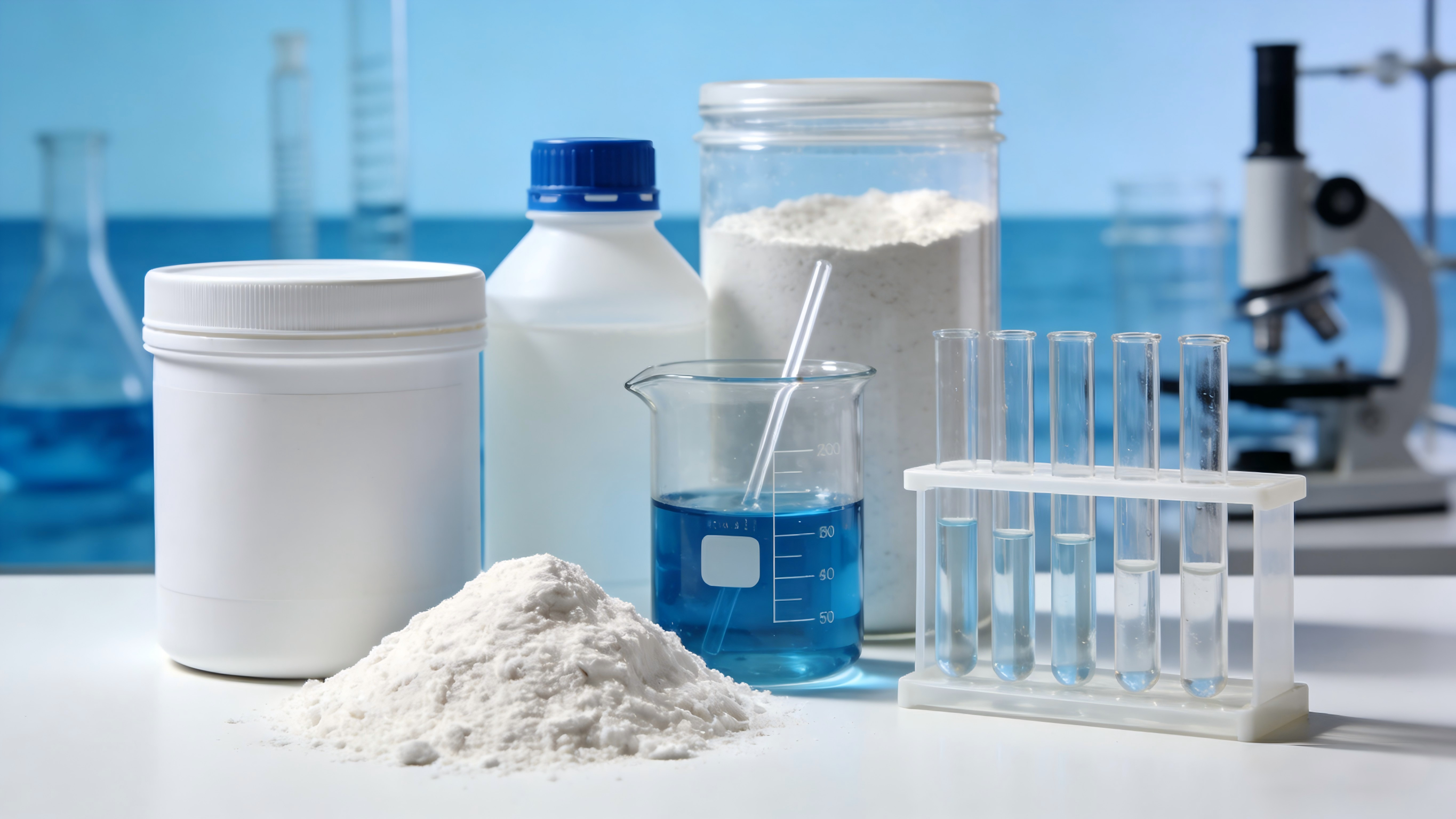
SDIC Suppliers for Wholesalers: Demand Profitable
Introduction
In the rapidly evolving chemical distribution landscape of 2026, wholesalers are continuously seeking reliable SDIC suppliers to meet growing market demands. Sodium Dichloroisocyanurate (SDIC) has emerged as one of the most sought-after disinfectant compounds globally, with applications spanning water treatment, swimming pool sanitation, industrial cleaning, and agricultural disinfection. For wholesalers looking to maximize profitability while ensuring consistent supply chains, partnering with the right SDIC suppliers has become a critical business decision.
This comprehensive guide explores the current market dynamics, key selection criteria for SDIC suppliers, and strategic approaches to building profitable wholesale relationships in the sodium dichloroisocyanurate sector.
Understanding SDIC Market Dynamics in 2026
Global Demand Trends
The global SDIC market has experienced remarkable growth over the past three years, driven by heightened awareness of hygiene standards and expanding industrial applications. According to recent industry analysis, the sodium dichloroisocyanurate market is projected to maintain a steady compound annual growth rate through 2032, with Asia-Pacific regions leading consumption patterns.
Key demand drivers include:
- Water Treatment Infrastructure: Municipal and industrial water facilities require consistent SDIC supplies for effective disinfection protocols
- Swimming Pool Maintenance: Recreational facilities and residential pool owners depend on SDIC for algae prevention and bacterial control
- Agricultural Applications: Farm operations utilize SDIC for equipment sterilization and livestock facility sanitation
- Food Processing Industry: Stringent hygiene regulations drive SDIC adoption in food production environments
Supply Chain Considerations
Wholesalers must navigate complex supply chain dynamics when sourcing SDIC. Production capacity, raw material availability, and regulatory compliance all influence supplier reliability. The most profitable wholesale operations prioritize suppliers with demonstrated consistency in quality, delivery timelines, and technical support capabilities.
Critical Factors for Selecting SDIC Suppliers
Quality Certification and Compliance
Reputable SDIC suppliers maintain comprehensive quality management systems aligned with international standards. When evaluating potential partners, wholesalers should verify:
- ISO 9001 quality management certification
- Product specifications matching declared chlorine content (typically 56%-60% available chlorine)
- Batch testing documentation and certificates of analysis
- Compliance with regional chemical registration requirements (REACH, EPA, etc.)
- Safety data sheets updated according to GHS standards
Production Capacity and Scalability
Profitable wholesale relationships require suppliers capable of scaling production to match demand fluctuations. Key assessment criteria include:
- Annual production capacity exceeding your projected volume requirements
- Flexible manufacturing schedules accommodating seasonal demand peaks
- Multiple production facilities reducing supply disruption risks
- Inventory management systems ensuring product availability
Pricing Structure and Payment Terms
Competitive pricing alone does not guarantee profitability. Wholesalers should evaluate total cost structures including:
- Base product pricing relative to market benchmarks
- Volume-based discount tiers
- Shipping and logistics cost allocation
- Payment term flexibility (letter of credit, open account, etc.)
- Currency hedging options for international transactions
Building Profitable Wholesale Partnerships
Strategic Inventory Management
Successful SDIC wholesalers implement sophisticated inventory strategies balancing carrying costs against stockout risks. Collaborate with suppliers to establish:
- Minimum order quantities aligned with your sales velocity
- Consignment inventory options for high-volume partners
- Just-in-time delivery schedules reducing warehousing expenses
- Seasonal stockpiling programs ahead of peak demand periods
Technical Support and Customer Service
Differentiation in the wholesale market increasingly depends on value-added services. Premium SDIC suppliers provide:
- Product application guidance for end customers
- Troubleshooting support for quality-related inquiries
- Marketing materials and technical documentation
- Training programs for your sales teams
- Rapid response protocols for urgent orders
Risk Mitigation Strategies
Protect your wholesale business from supply chain disruptions through:
- Multi-supplier sourcing strategies avoiding single-point failures
- Long-term supply agreements with price adjustment mechanisms
- Quality assurance protocols including independent testing
- Insurance coverage for product liability and transportation risks
Market Opportunities for SDIC Wholesalers
Emerging Application Segments
Forward-thinking wholesalers are expanding into high-growth application areas:
- Healthcare Facilities: Hospital and clinic disinfection programs
- Hospitality Industry: Hotel and resort water treatment systems
- Aquaculture Operations: Fish farm water quality management
- Emergency Response: Disaster relief water purification kits
Geographic Expansion
Regional market analysis reveals significant opportunities in:
- Southeast Asian markets experiencing infrastructure development
- Middle Eastern regions with expanding recreational facilities
- African markets requiring affordable water treatment solutions
- Latin American agricultural sectors adopting modern sanitation practices
Conclusion
The SDIC wholesale market presents substantial profitability potential for distributors who strategically select suppliers and implement sound business practices. Success requires thorough due diligence in supplier evaluation, commitment to quality standards, and proactive market development efforts.
Wholesalers prioritizing long-term partnerships over transactional relationships will capture greater market share while building sustainable competitive advantages. The key lies in balancing cost efficiency with reliability, ensuring your end customers receive consistent product quality while maintaining healthy profit margins throughout your distribution network.
Frequently Asked Questions (FAQ)
Q1: What is the typical shelf life of SDIC products?
A: Properly stored SDIC maintains effectiveness for 24-36 months from production date. Storage conditions should remain cool, dry, and away from direct sunlight to preserve chlorine content.
Q2: How do I verify SDIC supplier authenticity?
A: Request business licenses, quality certifications, and reference contacts from existing customers. Conduct factory audits when possible and verify product samples through independent laboratory testing.
Q3: What minimum order quantities do SDIC suppliers typically require?
A: MOQs vary significantly by supplier, ranging from 500kg for premium partners to 5MT for standard arrangements. Negotiate based on your projected annual volume and storage capacity.
Q4: Are there seasonal demand patterns for SDIC?
A: Yes, demand typically peaks during spring and summer months in Northern Hemisphere markets due to swimming pool season. Plan inventory accordingly to avoid stockouts during high-demand periods.
Q5: What documentation should I expect from SDIC suppliers?
A: Essential documents include Certificate of Analysis, Safety Data Sheet, Certificate of Origin, and relevant quality certifications. International shipments require additional customs and transportation documentation.
Q6: How can I ensure consistent product quality across multiple batches?
A: Establish clear quality specifications in supply agreements, implement incoming inspection protocols, and maintain open communication channels with suppliers regarding any quality variations.
Ready to explore profitable SDIC wholesale opportunities? Connect with verified suppliers to discuss your specific requirements and receive customized quotations tailored to your business needs.
