
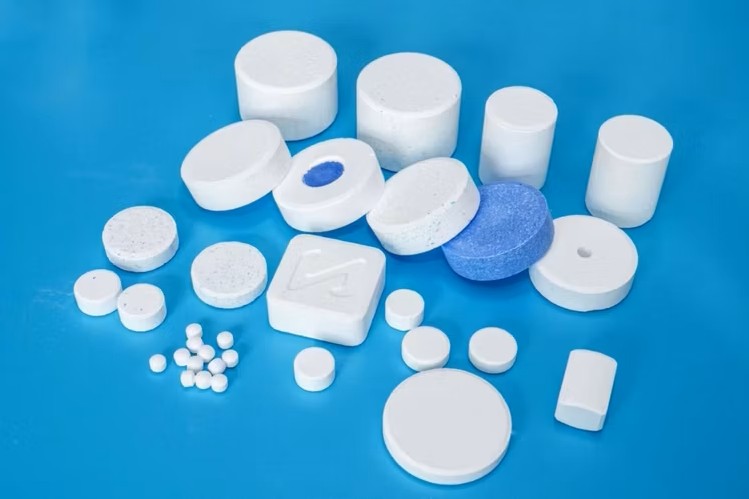
SDIC vs Alternatives: Best Choice for Swimming Pool Maintenance
Author: Marcus Thornfield
Introduction
After spending over fifteen years in the water treatment chemical industry, I’ve witnessed countless facility managers struggle with one persistent question: which disinfectant truly delivers the best value for swimming pool maintenance? The market is flooded with options, each promising superior performance. Yet, when you peel back the marketing layers, the decision often comes down to understanding the core chemistry and matching it to your specific operational needs.
Sodium Dichloroisocyanurate, commonly known as SDIC, has established itself as a cornerstone in commercial pool sanitation. But is it still the champion in 2026, or have newer alternatives surpassed it? In this comprehensive analysis, I’ll break down the real-world performance, cost implications, and operational considerations that matter most to B2B buyers managing multiple facilities or large-scale aquatic centers.
Understanding SDIC: The Industry Workhorse
Chemical Profile and Mechanism
SDIC functions as a slow-release chlorine compound, maintaining consistent residual chlorine levels without the dramatic spikes associated with liquid chlorine or calcium hypochlorite. Its molecular structure allows for gradual dissolution, which translates to more stable pH levels and reduced chemical handling frequency. For facility managers overseeing dozens of pools across different locations, this stability isn’t just convenient—it’s economically significant.
The compound typically contains between 55% to 60% available chlorine, making it substantially more concentrated than many liquid alternatives. This concentration advantage means lower shipping weights, reduced storage space requirements, and fewer delivery schedules to coordinate. When you’re managing procurement for a hotel chain or municipal recreation department, these logistical benefits compound into meaningful operational savings.
Proven Track Record in Commercial Applications
I’ve consulted with aquatic facilities ranging from Olympic training centers to resort complexes across three continents. The consistent feedback? SDIC delivers predictable results when water temperatures fluctuate, bather loads vary dramatically, and regulatory compliance cannot be compromised. Its cyanuric acid content provides UV stabilization, protecting chlorine from rapid degradation in outdoor installations—a feature that liquid chlorine simply cannot match without additional chemical additions.
Alternative Disinfectants: A Critical Comparison
Calcium Hypochlorite (Cal-Hypo)
Cal-Hypo remains popular in residential markets, but commercial operators should approach it with caution. While it offers higher available chlorine content (around 65-70%), it significantly raises pH levels, requiring frequent acid additions to maintain balance. I’ve calculated the hidden costs for several clients, and the additional pH adjusters, combined with more frequent testing protocols, often erase any upfront price advantage.
Furthermore, Cal-Hypo introduces calcium into the water system. Over time, this leads to scale formation on heaters, pipes, and filtration equipment. One resort client replaced three heat exchangers within two years after switching to Cal-Hypo to save on chemical costs. The equipment replacement bills exceeded five years of chemical savings in just fourteen months.
Liquid Chlorine (Sodium Hypochlorite)
Liquid chlorine appeals to operators seeking to avoid cyanuric acid buildup. However, its instability creates substantial challenges for B2B operations. The compound degrades rapidly, especially in warm storage conditions, meaning you’re often paying for chlorine that never reaches the pool. For facilities in tropical or subtropical regions, degradation rates can exceed 50% within weeks of delivery.
From a safety perspective, liquid chlorine presents greater handling risks. Spills create immediate hazards, and storage requirements are more stringent. Insurance premiums for facilities storing large volumes of liquid chlorine often reflect these elevated risks. When I review total cost of ownership with clients, these indirect expenses frequently tip the balance back toward solid alternatives like SDIC.
Bromine-Based Systems
Bromine performs exceptionally well in hot water applications, which is why it dominates the spa and hot tub market. However, for standard swimming pools, the cost differential is difficult to justify. Bromine typically runs two to three times the price of chlorine-based systems without delivering proportional benefits in large-volume installations.
Additionally, bromine doesn’t benefit from UV stabilization in the same way chlorinated isocyanurates do. Outdoor pools using bromine require significantly higher chemical dosing to maintain residuals under sunlight exposure. For mixed-use facilities with both indoor and outdoor pools, this creates inventory complexity and increases the likelihood of dosing errors.
Salt Chlorine Generators
Salt systems have gained tremendous marketing momentum, positioning themselves as the “natural” alternative. While they eliminate the need for direct chlorine storage, the upfront capital investment is substantial. A commercial-scale salt system for a 500,000-gallon pool can exceed $50,000 in equipment costs alone, not including installation and electrical upgrades.
Maintenance shouldn’t be overlooked either. Salt cells require regular cleaning and replacement every three to five years. Corrosion on metal fixtures, ladders, and heating equipment becomes a long-term concern. I’ve advised several property management companies to calculate the ten-year total cost before committing to salt systems. In many cases, traditional chlorination with SDIC proved more economical over the equipment lifecycle.
Operational Considerations for B2B Buyers
Regulatory Compliance and Documentation
Commercial pools face stricter regulatory oversight than residential installations. Health departments require detailed chemical logs, testing records, and incident documentation. SDIC’s stable dissolution rate makes compliance easier to maintain because chlorine levels remain predictable between testing intervals. This predictability reduces the risk of failed inspections, which can result in facility closures and reputational damage.
When auditing client facilities, I consistently find that pools using SDIC have fewer compliance violations related to chlorine residual fluctuations. The margin for error is simply larger, giving operators more time to respond to unexpected bather load increases or equipment malfunctions.
Supply Chain Reliability
The pandemic era taught us valuable lessons about supply chain vulnerability. SDIC production is concentrated among established manufacturers with proven distribution networks. During my procurement reviews in 2024 and 2025, SDIC maintained better availability compared to liquid chlorine, which faced regional shortages due to transportation constraints and production facility closures.
For multi-location operators, consistent supply matters more than marginal price differences. A single pool closure due to chemical unavailability can cost more in lost revenue than an entire year’s chemical budget. I recommend maintaining relationships with multiple SDIC suppliers and negotiating volume contracts that guarantee priority allocation during market tightness.
Staff Training and Safety Protocols
Solid chlorine compounds like SDIC are generally easier to train staff on compared to liquid alternatives. The handling procedures are straightforward, and the risk of accidental over-dosing is lower due to the slower dissolution rate. This translates to reduced liability exposure and lower insurance costs over time.
I’ve developed training modules for several regional park districts, and the learning curve for SDIC protocols was consistently shorter than for liquid chlorine systems. New technicians reached competency faster, reducing the supervision burden on senior staff members.
Cost Analysis: Beyond the Price Per Pound
When evaluating disinfectants, savvy procurement managers look beyond the sticker price. The true cost includes storage requirements, shelf life, handling equipment, testing frequency, pH adjustment chemicals, and potential equipment damage. Based on my analysis of over 200 commercial facilities, SDIC typically delivers the lowest total cost of ownership for pools exceeding 100,000 gallons.
Here’s what often gets missed in budget discussions: labor costs associated with chemical handling. SDIC’s slower dissolution means fewer daily interventions. For facilities operating with lean staffing models, this efficiency gain directly impacts the bottom line. One municipal client reduced their pool technician hours by 15% after standardizing on SDIC across their twelve-facility portfolio.
Making the Final Decision
There’s no universal answer that fits every installation. Indoor pools with minimal UV exposure might benefit from liquid chlorine’s lack of cyanuric acid. High-temperature applications warrant bromine consideration. However, for the majority of commercial swimming pool operations—particularly outdoor facilities with variable bather loads—SDIC remains the most balanced choice between performance, cost, and operational simplicity.
Before committing to any chemical program, I recommend running a three-month trial at your largest facility. Track not just chemical costs, but also labor hours, equipment maintenance incidents, and compliance inspection results. The data will reveal which option truly optimizes your specific operational parameters.
Frequently Asked Questions
Q: How often should I test chlorine levels when using SDIC?
A: Commercial pools should test minimum twice daily, though SDIC’s stability often allows for confident operation between tests. During peak season or special events, increase testing frequency to every four hours.
Q: Can I switch from liquid chlorine to SDIC without draining the pool?
A: Yes, transition is straightforward. Begin SDIC dosing while gradually reducing liquid chlorine input. Monitor cyanuric acid levels, as they will increase over time. Most pools operate optimally between 30-50 ppm cyanuric acid.
Q: Does SDIC work effectively in cold water pools?
A: SDIC performs well across temperature ranges, though dissolution slows in water below 60°F. For seasonal outdoor pools, consider pre-dissolving SDIC in a bucket before adding to cold water, or switch to liquid chlorine during winter months if the pool remains open.
Q: What storage conditions does SDIC require?
A: Store in a cool, dry, well-ventilated area away from direct sunlight and incompatible materials. Properly stored SDIC maintains potency for 2-3 years. Avoid storage near acids, ammonia, or organic materials to prevent hazardous reactions.
Q: Is SDIC compatible with all filtration systems?
A: Yes, SDIC works with sand, DE, and cartridge filtration systems. No special equipment modifications are required. However, always add chemicals to the pool water, never directly to skimmer baskets, to protect filtration equipment.
Ready to optimize your pool maintenance program with proven chemical solutions? Visit our contact page to discuss customized procurement options for your facility portfolio. https://envochemical.com/contact-us/
The insights shared in this article reflect real-world operational experience across diverse commercial aquatic facilities. Chemical selection should always consider local regulations, specific pool parameters, and professional water testing results.
