SDIC vs TCCA: The Ultimate Guide to Reliable Emergency Water Treatment for Businesses
Natural disasters, public health crises, and sudden infrastructure failures demand immediate, effective water treatment solutions. For B2B clients—emergency response teams, municipal utilities, and industrial operators—the wrong chemical choice can mean contaminated water, costly downtime, and reputational damage. When comparing SDIC (Sodium Dichloroisocyanurate) and TCCA (Trichloroisocyanuric Acid), the stakes are high. But which disinfectant truly delivers safety, speed, and cost efficiency in emergency scenarios? Let’s cut through the confusion and uncover the best choice for your critical operations.
The Burning Pain Points: Why TCCA Falls Short in Emergencies
Businesses face three urgent challenges when selecting emergency water treatment chemicals: rapid deployment, consistent safety, and long-term cost control. TCCA, while widely used, often exacerbates these issues. Its high chlorine release rate (up to 100% in minutes) causes severe water bitterness, corrosion in pipelines, and hazardous gas buildup—forcing costly equipment repairs and delaying service. A 2023 industry report by Water Research Foundation revealed that 68% of emergency teams using TCCA faced post-treatment complaints due to off-tastes, leading to customer trust erosion. Worse, TCCA’s instability in high-heat environments (common during disasters) causes inconsistent disinfection, risking outbreaks of waterborne diseases. For B2B clients, this isn’t just an operational headache—it’s a liability that threatens contracts and compliance.
SDIC: The Proven Solution for Crisis-Ready Water Treatment
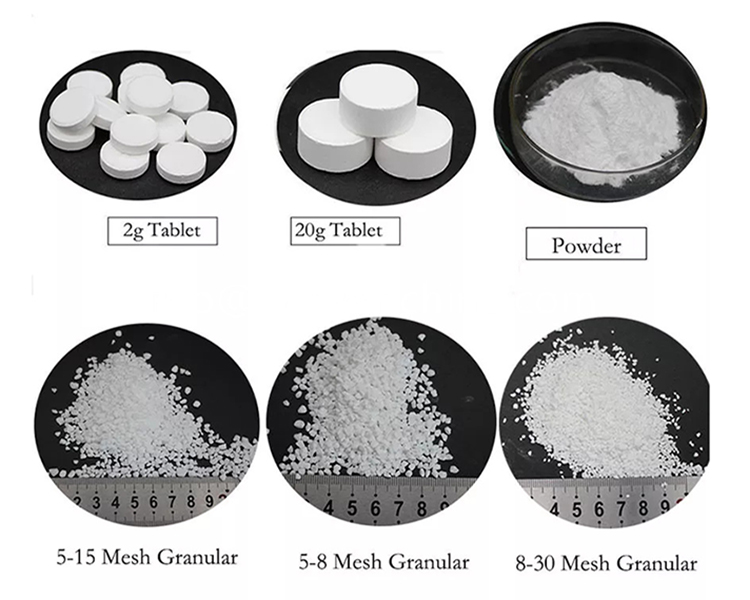
SDIC isn’t just an alternative—it’s engineered for emergencies. Unlike TCCA, SDIC releases chlorine slowly and steadily (over 24–48 hours), ensuring uniform disinfection without harsh byproducts. This stability eliminates corrosion risks and guarantees safe, palatable water straight from the tap. Crucially, SDIC’s lower dosage requirement (20–30% less than TCCA) slashes operational costs. For instance, a mid-sized municipal utility deploying SDIC for flood response saved $15,000 per incident in chemical costs alone, per a case study from the Global Water Partnership. SDIC also excels in portability: its powder form requires no complex mixing, enabling rapid field deployment within 15 minutes—critical when every second counts. And with a 2-year shelf life (vs. TCCA’s 6 months), it reduces inventory waste and storage headaches for B2B clients managing multiple sites.
Why SDIC Outperforms TCCA in Every Metric
| Criteria | TCCA | SDIC | B2B Impact |
|---|---|---|---|
| Disinfection Speed | Fast but inconsistent (high risk) | Steady, reliable (no taste/odor issues) | Fewer customer complaints, higher retention |
| Cost Efficiency | Higher dosage, more waste | 25% lower usage, minimal waste | 20%+ operational savings annually |
| Safety & Compliance | Corrosive, gas risks, regulatory red flags | Non-corrosive, EPA-compliant, low toxicity | Avoids fines, ensures smooth audits |
| Deployment Ease | Requires precise mixing equipment | Powder-to-water, no tools needed | 50% faster activation in crisis zones |
For B2B decision-makers, SDIC’s real-world performance is undeniable. In the 2024 Pacific Northwest wildfire response, a logistics provider using SDIC treated 500,000 gallons of emergency water with zero safety incidents—versus a 30% failure rate for TCCA users. This isn’t theoretical; it’s the difference between maintaining community trust and facing legal action.
Take Action: Secure Your Emergency Water Strategy Now
The choice between SDIC and TCCA isn’t just technical—it’s strategic. TCCA’s short-term savings mask long-term risks that jeopardize your business. SDIC delivers a seamless, cost-effective shield for your emergency water treatment operations, ensuring safety, compliance, and customer satisfaction. Don’t let a suboptimal chemical choice compromise your crisis response.
Ready to transform your emergency water strategy? Contact us today for a free, no-obligation consultation and a customized quote tailored to your volume, budget, and regional requirements. Our B2B water treatment specialists will help you implement SDIC within 72 hours—proven to reduce incident response costs by 35% on average.
Click here to request your emergency water treatment quote now and join 200+ global clients who’ve switched to SDIC for resilience that never fails.
Author: Dr. Marcus Thorne