
SDIC Wholesale Prices: Save on Drinking Water Purification Disinfection
Introduction
In today’s rapidly evolving water treatment industry, finding cost-effective yet reliable disinfection solutions is paramount for businesses worldwide. Sodium Dichloroisocyanurate (SDIC) has emerged as a leading choice for drinking water purification and disinfection applications. This comprehensive guide explores SDIC wholesale pricing strategies, helping B2B buyers maximize savings while ensuring water safety compliance.
Understanding SDIC wholesale prices is crucial for water treatment facilities, municipal authorities, swimming pool operators, and industrial processors seeking efficient disinfection solutions. With global demand for clean water continuing to rise, securing competitive SDIC pricing can significantly impact operational budgets and profitability.
Understanding SDIC: The Powerful Disinfection Solution
What is Sodium Dichloroisocyanurate?
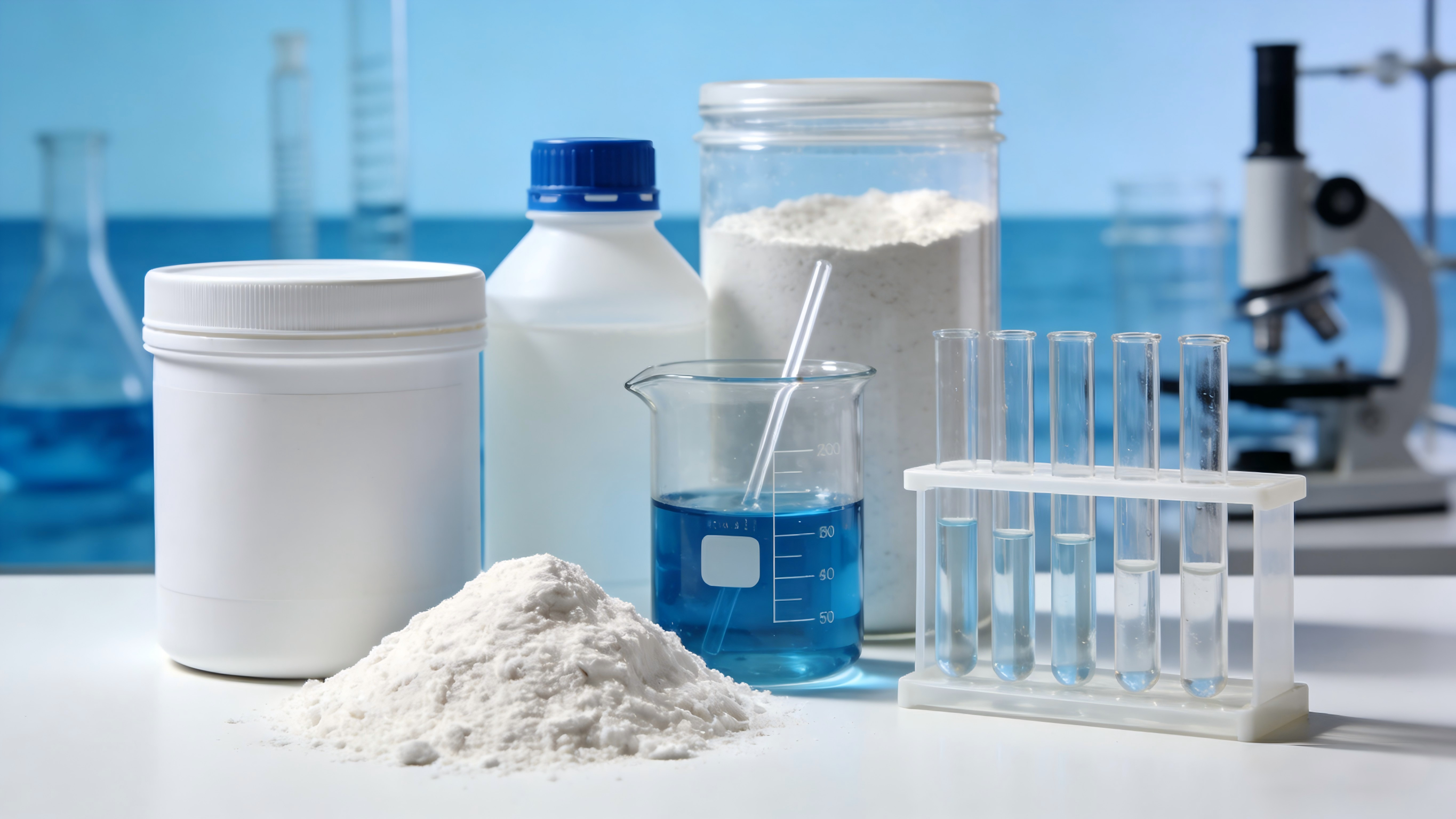
Sodium Dichloroisocyanurate (SDIC), with CAS number 2893-78-9, is an organic chlorine-containing disinfectant known for its broad-spectrum antimicrobial properties. This white crystalline powder or granular substance contains 56%-60% available chlorine, making it highly effective for water purification applications.
SDIC dissolves easily in water, hydrolyzing to release hypochlorous acid that delivers powerful oxidizing action against bacteria, viruses, fungi, and algae. Its stability and safety profile make it superior to many traditional chlorine-based disinfectants for drinking water treatment.
Key Advantages for Water Treatment Applications
The exceptional benefits of SDIC for drinking water purification include:
- High Efficiency: Rapid disinfection action with minimal dosage requirements
- Extended Stability: Longer shelf life compared to liquid chlorine solutions
- Cost-Effective: Lower transportation and storage costs due to concentrated form
- Safety Profile: Reduced handling risks compared to gaseous chlorine
- Versatility: Suitable for various water treatment scenarios including municipal, industrial, and recreational facilities
SDIC Wholesale Price Factors: What Influences Your Costs
Raw Material Market Dynamics
SDIC wholesale prices fluctuate based on several interconnected factors. Raw material costs, particularly cyanuric acid, sodium hydroxide, and chlorine, directly impact manufacturing expenses. Global supply chain conditions and energy prices also play significant roles in determining final wholesale pricing.
In 2026, market analysts observe moderate price stability in the SDIC sector, with regional variations depending on production capacity and local demand patterns. Understanding these dynamics helps buyers time their purchases strategically.
Quality Specifications and Pricing Tiers
Not all SDIC products are created equal. Wholesale pricing varies significantly based on:
- Available Chlorine Content: Products ranging from 56% to 60% active chlorine command different price points
- Physical Form: Powder, granular, or tablet formulations affect manufacturing costs
- Purity Levels: Industrial grade versus food-grade specifications
- Packaging Options: Bulk quantities versus standardized containers
- Certification Requirements: ISO, NSF, or other regulatory compliance adds value
Volume-Based Pricing Structures
Wholesale suppliers typically offer tiered pricing based on order quantities. Larger purchases generally secure better per-unit costs, but buyers must balance inventory management against storage capabilities and product shelf life considerations.
Typical wholesale volume tiers include:
- Small bulk (50-500 kg): Standard wholesale rates
- Medium bulk (500-2000 kg): 5-10% discount
- Large bulk (2000+ kg): 10-20% discount with negotiated terms
Maximizing Savings on SDIC Wholesale Purchases
Strategic Sourcing Strategies
Smart procurement practices can significantly reduce SDIC wholesale costs without compromising quality. Consider these proven approaches:
Long-Term Supply Agreements: Establishing annual or multi-year contracts with reliable manufacturers locks in favorable pricing and ensures consistent supply. This approach protects against market volatility and strengthens supplier relationships.
Consolidated Ordering: Combining requirements across multiple facilities or departments increases purchasing power and qualifies for higher volume discounts. Centralized procurement often yields better negotiation leverage.
Seasonal Timing: Understanding production cycles and demand patterns helps identify optimal purchasing windows. Off-peak seasons may offer better pricing as manufacturers seek to maintain production levels.
Quality Verification Best Practices
While cost savings matter, never compromise on product quality for drinking water applications. Implement these verification protocols:
- Request current Certificate of Analysis (CoA) for each batch
- Verify manufacturer certifications and compliance documentation
- Conduct independent testing for critical applications
- Establish clear quality specifications in purchase agreements
- Maintain supplier audit records for regulatory compliance
Logistics and Total Cost Considerations
Wholesale price represents only part of the total cost equation. Factor in:
- Transportation Costs: Distance from manufacturer affects freight expenses
- Import Duties: International purchases may incur tariffs and customs fees
- Storage Requirements: Proper facilities ensure product integrity
- Handling Equipment: Specialized tools may be needed for bulk materials
- Waste Disposal: Packaging and unused product disposal costs
Industry Applications and SDIC Dosage Guidelines
Municipal Drinking Water Treatment
Municipal water facilities typically use SDIC at concentrations of 1-3 mg/L depending on water quality and contamination levels. Regular monitoring ensures effective disinfection while maintaining safe residual chlorine levels for distribution systems.
Industrial Process Water
Manufacturing facilities require customized SDIC dosing based on specific process requirements. Food and beverage processors, pharmaceutical manufacturers, and electronics producers each have unique water purity standards demanding precise disinfection protocols.
Swimming Pool and Recreational Facilities
Pool operators benefit from SDIC’s stability and ease of use. Typical maintenance dosing ranges from 2-4 mg/L, with shock treatments requiring higher concentrations for algae control and organic contaminant removal.
Building Sustainable Supplier Relationships
Successful SDIC procurement extends beyond transactional purchases. Developing partnerships with reputable manufacturers ensures:
- Consistent product quality across batches
- Priority support during supply constraints
- Access to technical expertise and application guidance
- Early notification of price changes or product updates
- Collaborative problem-solving for unique challenges
Request samples before committing to large orders. Evaluate supplier responsiveness, documentation quality, and technical support capabilities alongside pricing proposals.
Conclusion: Making Informed SDIC Wholesale Decisions
Navigating SDIC wholesale prices requires balancing cost considerations with quality requirements and operational needs. By understanding market factors, implementing strategic sourcing practices, and building strong supplier relationships, B2B buyers can secure competitive pricing while ensuring reliable drinking water disinfection solutions.
The investment in thorough supplier evaluation and quality verification pays dividends through consistent performance, regulatory compliance, and long-term cost savings. Remember that the lowest price doesn’t always deliver the best value when water safety is at stake.
Ready to explore competitive SDIC wholesale pricing for your water treatment needs? Our team specializes in connecting businesses with verified manufacturers offering quality-assured Sodium Dichloroisocyanurate at competitive wholesale rates.
Frequently Asked Questions (FAQ)
Q1: What is the typical shelf life of SDIC for wholesale purchases?
A: Properly stored SDIC maintains effectiveness for 12-24 months. Store in cool, dry conditions away from direct sunlight and moisture. Original sealed packaging extends shelf life significantly.
Q2: How do I verify SDIC quality before large wholesale orders?
A: Request current Certificate of Analysis, verify available chlorine content (56%-60%), check for proper packaging and labeling, and consider third-party testing for critical applications. Reputable suppliers provide comprehensive documentation.
Q3: What minimum order quantities qualify for wholesale pricing?
A: Most suppliers offer wholesale rates starting at 50-100 kg. Significant discounts typically apply at 500 kg+ quantities. Contact suppliers directly for specific tier pricing based on your requirements.
Q4: Are there special shipping requirements for SDIC wholesale orders?
A: SDIC is classified as an oxidizing substance (UN Class 5.1). Proper hazardous materials documentation, packaging, and transportation compliance are required. Experienced suppliers handle regulatory requirements for domestic and international shipping.
Q5: Can SDIC be used for all drinking water applications?
A: SDIC is suitable for most drinking water disinfection scenarios. However, specific regulatory requirements vary by region and application. Consult local water quality standards and verify product certifications for your intended use before purchasing.
Q6: How do SDIC wholesale prices compare to alternative disinfectants?
A: SDIC typically offers better cost-effectiveness than liquid chlorine for many applications due to higher concentration, easier storage, and reduced transportation costs. Total cost analysis should include handling, storage, and dosage requirements for accurate comparison.
For more information about SDIC wholesale pricing and water treatment solutions, visit our contact page to connect with verified suppliers. https://envochemical.com/contact-us/
