
Here is the SEO-optimized article tailored for the B2B water treatment industry, written from an expert perspective.
SDIC Wholesale Prices: Save on Sanitation Disinfection
Author: Evelyn Reed
In the intricate world of industrial operations, water is the lifeblood of countless processes. However, this essential resource is also a breeding ground for pathogens, scale, and corrosion if left untreated. For procurement managers and plant engineers, the challenge isn’t just about finding effective chemicals; it is about securing them at a price point that ensures operational continuity without sacrificing the bottom line.
This is where Sodium Dichloroisocyanurate (SDIC) emerges as a critical asset. As a high-efficiency, broad-spectrum disinfectant, SDIC is the cornerstone of water sanitation across municipal, industrial, and commercial sectors. Yet, the volatility of the global chemical market often puts pressure on budgets. Understanding SDIC wholesale prices is not merely about cost-cutting; it is about strategic sourcing. By securing bulk quantities at competitive rates, businesses can maintain rigorous sanitation protocols while optimizing their supply chain resilience.
In this comprehensive guide, we will dissect the factors influencing the market value of this vital chemical, explore the tangible benefits of bulk purchasing, and provide insights into how to maximize the return on your water treatment investment.
Understanding SDIC: The Chemistry of Clean
Before diving into the economics of bulk purchasing, it is essential to understand why Sodium Dichloroisocyanurate is the preferred choice for so many water treatment professionals.
SDIC is an organic chlorine compound renowned for its stability and high available chlorine content (typically 56%-60% in anhydrous form). Unlike traditional chlorine gas or liquid sodium hypochlorite, SDIC offers distinct advantages:
- Stability: It remains effective for extended periods, even under high temperatures or sunlight, which is crucial for storage and transportation.
- Solubility: It dissolves rapidly in water, releasing hypochlorous acid, the active agent responsible for destroying bacteria, viruses, and algae.
- Safety: As a solid, it is significantly safer to handle and transport than gaseous chlorine, reducing the risks associated with leaks and exposure.
This unique chemical profile makes SDIC indispensable for applications ranging from municipal drinking water treatment to industrial wastewater remediation.
The Economic Logic Behind Bulk Procurement
For B2B clients, the decision to purchase in bulk is often driven by the need to mitigate the “bullwhip effect” in supply chains. Fluctuations in raw material costs and logistics can create significant price volatility. By analyzing SDIC wholesale prices, businesses can insulate themselves from these market swings.
1. Direct Cost Reduction The most immediate benefit is the reduction in the Cost Per Unit (CPU). Manufacturers and bulk distributors offer tiered pricing structures. The larger the volume ordered, the lower the marginal cost per kilogram or ton. This direct saving compounds over time, significantly impacting the annual procurement budget.
2. Operational Efficiency Frequent, small-batch ordering introduces administrative overhead—processing purchase orders, managing invoices, and coordinating logistics. Bulk purchasing streamlines this process into fewer, more manageable transactions, freeing up valuable time for your procurement team to focus on strategic initiatives rather than daily firefighting.
3. Inventory Security In an era of global supply chain disruptions, having a strategic reserve of essential chemicals is not just prudent; it is a necessity. Buying at favorable SDIC wholesale prices allows you to build a safety stock, ensuring that your sanitation processes never halt due to a temporary shortage in the market.
Factors Influencing SDIC Wholesale Prices
The price tag on a ton of SDIC is not static. It is the result of a complex interplay of global and local factors. To truly “save on sanitation,” you must understand what drives the market.
| Factor Category | Key Drivers |
|---|---|
| Raw Material Costs | The price of Cyanuric Acid, Chlorine, and Caustic Soda directly impacts the final cost. |
| Production Scale | Manufacturers with integrated supply chains and large-scale production capabilities can offer lower prices. |
| Logistics & Freight | Global shipping rates, fuel costs, and port congestion can add significant premiums to the landed cost. |
| Regulatory Compliance | Adherence to international safety and environmental standards (ISO, REACH, etc.) can affect production costs. |
Understanding these variables allows you to negotiate from a position of strength. It is not just about finding the cheapest supplier; it is about finding a partner who offers transparency in pricing and stability in supply.
Applications: Where SDIC Makes the Difference
While the primary driver for purchasing may be cost, the application defines the necessity. SDIC is not a one-size-fits-all solution, but rather a versatile tool adapted to specific industrial needs.
Drinking Water & Municipal Supply In public health infrastructure, the margin for error is zero. SDIC is widely used for the disinfection of drinking water due to its ability to provide a stable residual chlorine level, preventing recontamination in the distribution network. For municipal buyers, securing SDIC wholesale prices ensures that public health mandates are met without straining the city’s budget.
Industrial Wastewater Treatment Industries such as textiles, food processing, and paper manufacturing generate effluents laden with organic matter and pathogens. SDIC is utilized in the tertiary treatment stage to disinfect wastewater before it is discharged into the environment. Here, bulk purchasing ensures that environmental compliance is maintained without unexpected cost overruns.
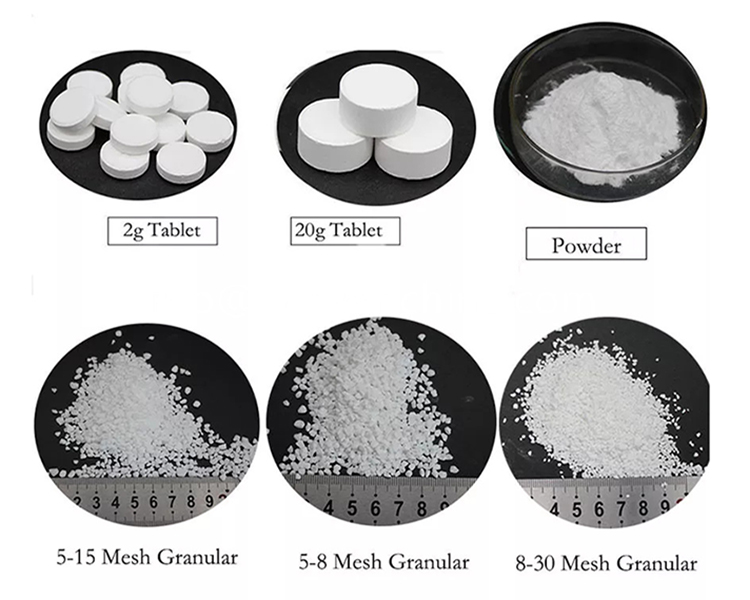
Recreational Water (Pools & Spas) The hospitality and leisure industry relies on crystal-clear, pathogen-free water. SDIC tablets and granules are the industry standard for maintaining pool hygiene. For large resort chains or pool maintenance contractors, bulk buying is the only way to manage the high-volume consumption rates typical of these facilities.
Emergency Sanitation Beyond routine operations, SDIC plays a vital role in disaster relief and emergency response. Its stability and ease of transport make it the go-to solution for rapid water purification in crisis zones. Organizations operating in these sectors require reliable access to bulk stocks at predictable prices.
Maximizing Value: Beyond the Price Tag
When evaluating SDIC wholesale prices, it is easy to fall into the trap of focusing solely on the number on the quote sheet. However, the true “value” of a bulk purchase lies in the quality and reliability of the product.
- Purity and Efficacy: A slightly cheaper product with lower available chlorine content may require higher dosages to achieve the same result, negating any initial cost savings. Always verify the purity specifications (e.g., 56% vs. 58% available chlorine).
- Consistency: Water treatment systems are calibrated for specific chemical inputs. Variations in pH, solubility, or impurity levels can disrupt these systems, leading to costly downtime or rework. A reputable bulk supplier ensures batch-to-batch consistency.
- Technical Support: The best suppliers offer more than just chemicals; they offer technical expertise. From dosage recommendations to troubleshooting water quality issues, this support adds immense value that cannot be quantified by price alone.
Strategic Sourcing for the Future
In conclusion, the pursuit of SDIC wholesale prices is a strategic business decision. It is about securing the lifeblood of your sanitation processes at a rate that allows your business to operate efficiently and safely.
By understanding the chemical’s properties, the market drivers, and the specific applications within your industry, you transform from a passive buyer into an active strategist. You are not just buying a commodity; you are investing in the health of your operations, the safety of your customers, and the stability of your supply chain.
The key takeaway is this: Do not chase the lowest price. Instead, chase the best value. Partner with a manufacturer who views your relationship as a long-term partnership rather than a one-time transaction. This is how you truly “save on sanitation” in the long run.
FAQ
Q1: What is the difference between SDIC anhydrous and SDIC dihydrate? A1: The primary difference lies in their available chlorine content and moisture levels. Anhydrous SDIC (typically 56%-60% available chlorine) is moisture-free and is often preferred for industrial applications due to its higher potency and stability. SDIC Dihydrate (typically 50%-56% available chlorine) contains water molecules, making it less concentrated but often more soluble for specific uses like swimming pools.
Q2: How should SDIC be stored to maintain its efficacy? A2: SDIC should be stored in a cool, dry, and well-ventilated area, away from direct sunlight and sources of heat. It is crucial to keep it separate from acids, ammonia, and other organic materials to prevent dangerous chemical reactions. Proper storage ensures that the chemical retains its potency throughout its shelf life, maximizing the value of your bulk purchase.
Q3: What are the typical packaging options for wholesale SDIC? A3: For bulk industrial supply, SDIC is commonly packaged in 25kg, 50kg, or 1000kg (1 MT) FIBC (Flexible Intermediate Bulk Containers) bags. These large packaging options are designed for efficient handling and transportation, further reducing the logistics costs associated with your order.
