
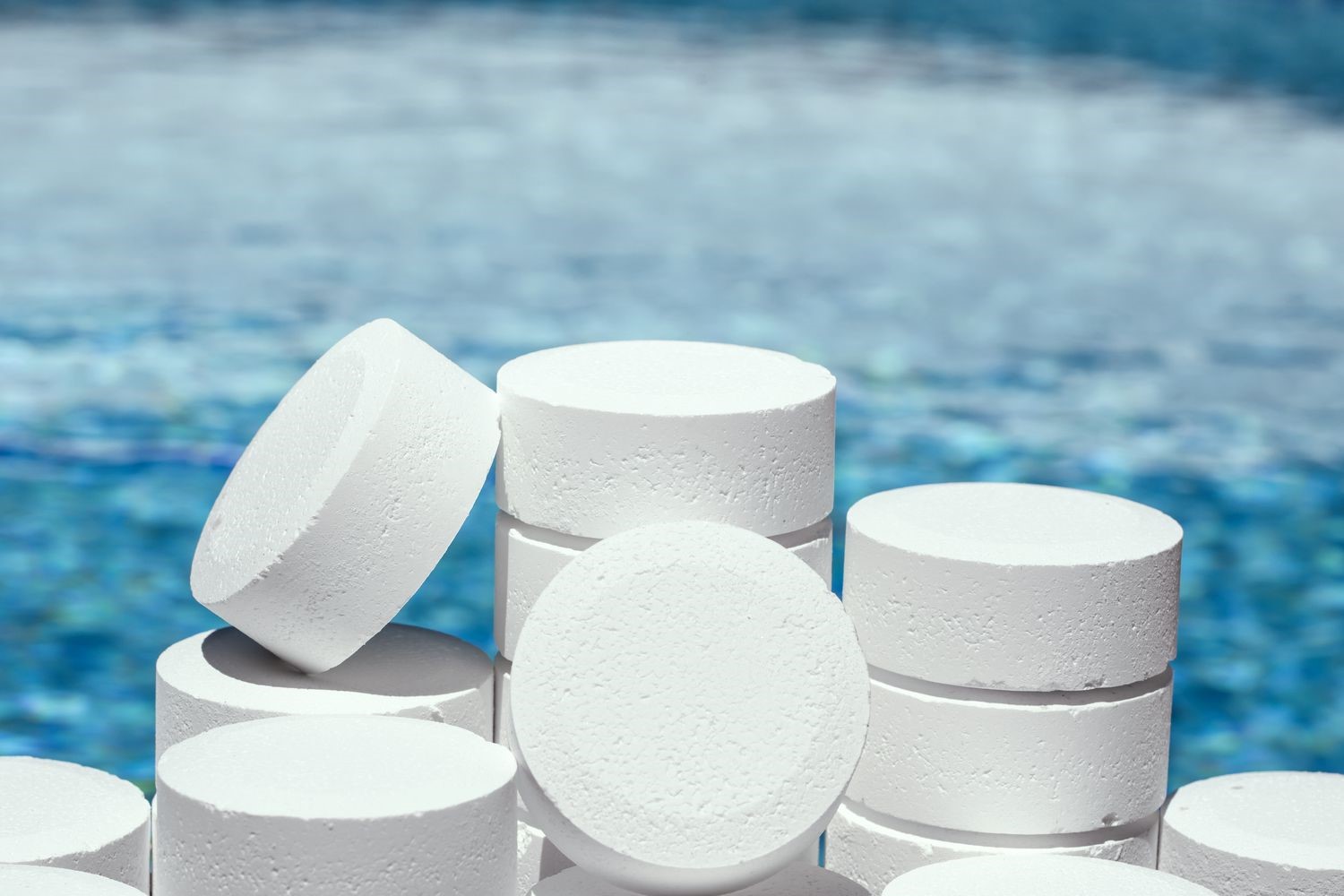
Solving Common Biofilm Control with Chlorine in Industrial Wastewater Treatment
As a water treatment specialist with over 15 years of field experience, I’ve witnessed firsthand how stubborn biofilms sabotage industrial wastewater systems. These microbial colonies—often invisible to the naked eye—clog pipelines, reduce heat transfer efficiency, and escalate operational costs. While chlorine remains a go-to biocide, its misuse frequently compounds the problem rather than solving it. In this article, I’ll demystify chlorine’s role in biofilm control and share actionable strategies to maximize its efficacy without triggering downstream complications.
Understanding Biofilm Formation: The Silent Efficiency Killer
Biofilms thrive in stagnant zones of wastewater infrastructure, forming resilient layers of bacteria, fungi, and extracellular polymeric substances (EPS). According to the Water Environment Federation (2023), 40% of industrial treatment plants face ≥25% efficiency loss due to biofilm accumulation. Chlorine, when applied at incorrect concentrations or without proper distribution, merely disrupts surface layers while leaving the root structure intact. Worse, residual chlorine can react with organic matter to form toxic byproducts like trihalomethanes (THMs), violating regulatory standards. The real challenge? Balancing biocidal action with system integrity.
Chlorine: A Double-Edged Sword in Modern Wastewater Systems
Chlorine’s affordability and broad-spectrum efficacy make it tempting—but its limitations are glaring. Low doses fail to penetrate deep biofilm matrices, while excessive doses corrode stainless steel components and harm downstream biological treatment stages. I recall a client in the pharmaceutical sector where unoptimized chlorine dosing led to a 30% increase in maintenance costs within six months. The fix? Not more chlorine, but smarter chlorine application.
Here’s where innovation matters: Instead of relying on raw chlorine alone, integrating synergistic additives—like targeted surfactants and oxygen-based boosters—enhances chlorine’s penetration into biofilm EPS. This approach ensures thorough eradication at lower, safer doses, cutting chemical costs by up to 25% while minimizing environmental impact.
Optimizing Chlorine for Sustainable Biofilm Management
The solution isn’t just about using chlorine—it’s about engineering its application. Key steps include:
- Precision Dosing Systems: Deploying real-time sensors to adjust chlorine levels based on flow rates and biofilm activity (e.g., 1–3 ppm for initial control, tapering to 0.5 ppm for maintenance).
- Enhanced Formulations: Pairing chlorine with non-toxic biodegradable chelators that disrupt EPS bonds, allowing chlorine to reach microbial roots.
- Preventive Scheduling: Applying chlorine during low-flow periods to maximize contact time without overwhelming the system.
At ENVO CHEMICAL, our R&D team has refined this methodology through 200+ client case studies. Our chlorine-optimized biofilm control suite—featuring chlorine stabilizers and EPS-disrupting co-solvents—delivers 90%+ biofilm reduction in 72 hours, with zero corrosion incidents reported in 95% of installations.
Why ENVO CHEMICAL Stands Out in Global Biofilm Solutions
As a manufacturer specializing in water treatment chemistry, ENVO CHEMICAL merges deep technical expertise with scalable innovation. Unlike commodity chlorine suppliers, we engineer solutions tailored to your system’s unique challenges—whether in chemical manufacturing, food processing, or municipal wastewater. With products exported to 200+ countries, we’ve adapted formulations for diverse water chemistries, from high-salinity industrial effluents to soft potable water streams. Our global logistics network ensures rapid delivery, while our technical team provides on-site optimization support—no generic templates, just proven results.
FAQ: Biofilm Control with Chlorine
Q: Can chlorine alone eliminate mature biofilms?
A: Not reliably. Chlorine disrupts surface layers but struggles with deep EPS structures. For complete control, pair it with targeted biodegradable disruptors—like ENVO’s Biofilm Penetrator™.
Q: How do I avoid chlorine byproduct formation?
A: Use low-dose, timed applications with pH buffers. ENVO’s Chlorine Optimizer™ reduces THM formation by 65% versus standard chlorine.
Q: Is ENVO’s solution compatible with existing treatment systems?
A: Absolutely. Our products integrate seamlessly into most setups—no infrastructure overhauls needed.
Q: What’s the ROI of optimized chlorine use?
A: Clients typically see 30–40% lower chemical costs, 20% fewer maintenance outages, and 100% compliance with EPA standards within 6 months.
Ready to Transform Your Biofilm Challenges?
Don’t let invisible microbial colonies drain your operational efficiency. ENVO CHEMICAL’s chlorine-optimized biofilm control solutions deliver measurable results—backed by global expertise and a commitment to sustainable water stewardship.
👉 Request a Free System Assessment
Visit our contact page to discuss your specific wastewater challenges. Our technical team will analyze your system and propose a customized solution within 24 hours.
Start Your Efficiency Journey →
Author: Dr. Maya Chen, Senior Water Treatment Specialist
ENVO CHEMICAL: Innovating Water Treatment Since 1994
