
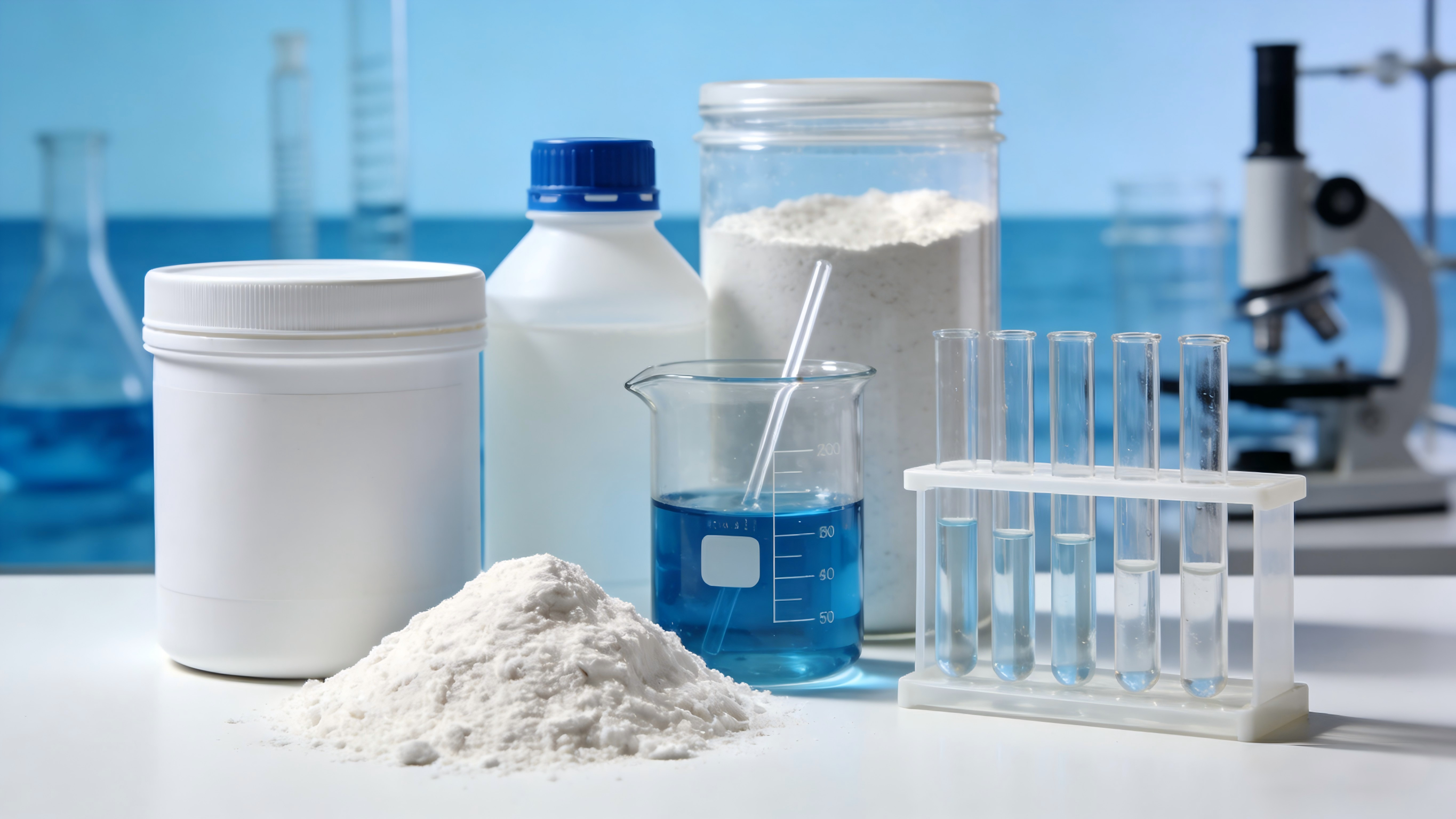
Solving Common High Turbidity with Chlorine in Industrial Wastewater Treatment
High turbidity in industrial wastewater presents a significant challenge for treatment facilities, often leading to operational inefficiencies, regulatory non-compliance, and environmental concerns. When suspended solids exceed acceptable levels, it can clog filtration systems, reduce treatment effectiveness, and result in costly penalties. Among the various treatment approaches, chlorine-based solutions have emerged as a highly effective method for addressing high turbidity in industrial wastewater streams. This article explores the science, application, and optimization of chlorine treatment for turbidity reduction, providing actionable insights for industrial wastewater management professionals.
Understanding the Challenge of High Turbidity in Industrial Wastewater
High turbidity occurs when water contains excessive suspended particles, including clay, silt, organic matter, and microorganisms. In industrial settings, these elevated turbidity levels often stem from manufacturing processes, mining operations, or inadequate pre-treatment. The consequences are substantial: reduced light penetration impairs biological treatment processes, suspended solids can overwhelm filtration systems, and high turbidity levels frequently violate discharge regulations. Traditional methods like sedimentation and basic filtration often prove insufficient for consistently achieving required turbidity levels, necessitating advanced treatment solutions.
The Mechanism of Chlorine in Turbidity Reduction
Chlorine’s effectiveness in reducing turbidity stems from its dual functionality as both an oxidizing agent and disinfectant. When properly applied to high-turbidity wastewater, chlorine:
- Oxidizes organic matter that contributes to turbidity
- Breaks down complex organic compounds that cause cloudiness
- Enhances the coagulation process when used in conjunction with other chemicals
- Provides disinfection to eliminate microorganisms that can exacerbate turbidity
The optimal chlorine dosage depends on specific wastewater characteristics, including pH, temperature, and organic content. Proper application ensures maximum turbidity reduction without excessive chemical usage, maintaining cost-effectiveness while achieving environmental compliance.
Optimizing Chlorine Treatment for High Turbidity Wastewater
To maximize effectiveness, industrial facilities should implement these optimization strategies:
pH Adjustment: Chlorine’s efficacy is pH-dependent. For optimal results, maintain pH between 6.5 and 7.5, as chlorine’s oxidizing power diminishes at higher pH levels.
Precision Dosing Systems: Implement automated dosing systems that adjust chlorine application based on real-time turbidity measurements, preventing under- or over-dosing.
Synergistic Chemical Blends: Combine chlorine with coagulants like alum or ferric chloride to create a powerful turbidity reduction system. The chlorine oxidizes organic compounds, while the coagulant binds suspended particles for easier removal.
Continuous Monitoring: Regularly test turbidity levels using Nephelometric Turbidity Units (NTU) to adjust chlorine dosage as needed, ensuring consistent treatment performance.
Safety and Compliance: Establish robust safety protocols for chlorine handling, including proper storage, ventilation, and personal protective equipment, while maintaining records for regulatory compliance.
Chlorine Treatment vs. Alternative Methods
While multiple approaches exist for turbidity reduction, chlorine treatment offers distinct advantages:
- Cost-Effectiveness: Lower operational costs compared to advanced filtration systems requiring significant capital investment
- Rapid Action: Immediate reduction in turbidity levels, critical for emergency situations or fluctuating influent conditions
- Dual Functionality: Simultaneously addresses turbidity and provides disinfection, eliminating the need for separate treatment steps
- Integration Capability: Easily incorporated into existing treatment systems without major infrastructure modifications
Compared to membrane filtration or advanced oxidation processes, chlorine treatment provides a more economical solution for facilities dealing with consistently high turbidity levels.
Real-World Application: A Manufacturing Success Story
A major chemical manufacturing facility in the Midwest faced persistent high turbidity issues in their wastewater, averaging 120 NTU. After implementing an optimized chlorine treatment system with pH adjustment and coagulant integration, the facility achieved consistent turbidity levels below 10 NTU. This solution not only met stringent regulatory requirements but also reduced overall treatment costs by 25% and improved system reliability. The facility now uses chlorine as a core component of their comprehensive wastewater management strategy.
Frequently Asked Questions
Q1: What is the typical chlorine dosage range for high turbidity wastewater treatment?
A1: Dosage varies based on specific wastewater characteristics, but generally ranges from 5-50 mg/L. A thorough wastewater analysis is essential for determining the optimal dosage.
Q2: Can chlorine treatment alone sufficiently address high turbidity, or is it always combined with other chemicals?
A2: While chlorine can reduce turbidity to some extent, combining it with coagulants and flocculants yields significantly better results. This integrated approach maximizes turbidity reduction and ensures consistent compliance.
Q3: How does chlorine treatment affect the environment when treated water is discharged?
A3: When properly dosed and monitored, chlorine-treated water meets all regulatory discharge standards. Residual chlorine can be neutralized with sodium bisulfite before discharge to ensure environmental safety.
Q4: What are the main safety considerations when implementing chlorine treatment systems?
A4: Key safety considerations include proper chlorine storage in ventilated areas, use of appropriate personal protective equipment, installation of gas detection systems, and comprehensive staff training on emergency procedures.
Q5: How does chlorine treatment compare to other chemical treatments for turbidity reduction?
A5: Chlorine offers a unique combination of oxidation, disinfection, and turbidity reduction capabilities. It’s often more cost-effective than specialized turbidity removal chemicals and provides additional benefits like microbial control.
Partner with Industry Leaders for Your Water Treatment Needs
ENVO CHEMICAL stands as a global leader in water treatment chemicals, specializing in research, development, manufacturing, and worldwide distribution. With over 30 years of expertise and a presence in more than 200 countries, ENVO provides tailored, high-performance solutions for industrial wastewater treatment challenges. Our chlorine-based products, combined with comprehensive technical support, help facilities achieve optimal turbidity reduction while meeting the most stringent environmental regulations.
For a customized solution to your high turbidity wastewater treatment needs, contact ENVO CHEMICAL’s technical team to discuss your specific requirements. Our experts will analyze your wastewater characteristics and design an effective treatment strategy that delivers consistent results, reduces operational costs, and ensures regulatory compliance. Discover why global industries trust ENVO for their water treatment chemistry needs. Visit our website to explore our comprehensive range of water treatment chemicals and request a personalized consultation.
