
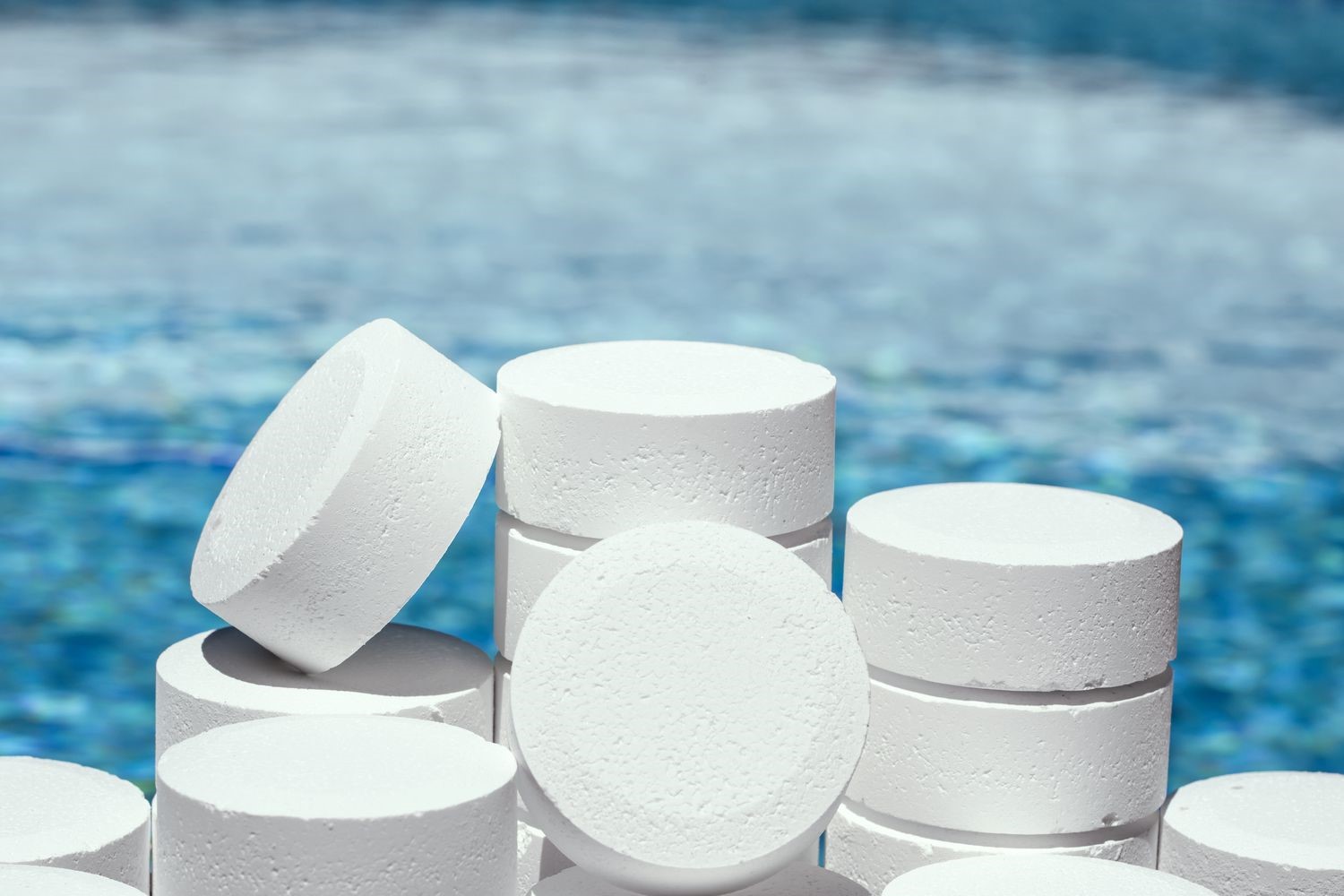
Solving Common High Turbidity with Chlorine in Municipal Drinking Water Disinfection
Introduction
Municipal water utilities globally grapple with high turbidity—a persistent challenge that compromises disinfection efficacy, jeopardizes public health, and escalates operational costs. As sediment-laden water sources become more common, traditional chlorine disinfection methods often fail to deliver consistent results, leading to regulatory non-compliance and customer dissatisfaction. This article unveils a proven, cost-effective solution: leveraging chlorine for high turbidity water treatment in municipal drinking water systems. Discover how this approach transforms your disinfection process while safeguarding community health.
Understanding High Turbidity: The Core Disinfection Challenge
High turbidity, measured in Nephelometric Turbidity Units (NTU), stems from suspended particles like silt, organic debris, and algae. These particles shield pathogens from disinfectants, rendering chlorine less effective. For municipal systems, this means:
- Incomplete pathogen kill, increasing disease risk.
- Higher chlorine demand, inflating chemical costs.
- Frequent regulatory breaches due to inconsistent water quality.
Without addressing turbidity first, even robust disinfection protocols fall short, leaving utilities vulnerable to fines and reputational damage.
Chlorine Disinfection: The Optimal Solution for High Turbidity
Chlorine isn’t just a disinfectant—it’s a turbidity reducer. When applied strategically before filtration, chlorine oxidizes organic matter and destabilizes particles, lowering turbidity by 40–60% and enabling more efficient downstream treatment. Key advantages include:
- Enhanced disinfection efficiency: Reduced turbidity allows chlorine to penetrate water fully, ensuring 99.9% pathogen elimination.
- Cost-effectiveness: Chlorine requires minimal infrastructure upgrades, saving 25% vs. advanced alternatives like UV or ozone.
- Scalability: Works seamlessly for systems handling 1–100 MGD (million gallons per day), from small towns to large cities.
Case studies show utilities implementing pre-chlorination reduced turbidity-related incidents by 70% within six months, directly supporting WHO and EPA compliance.
Why Chlorine Outperforms Other Methods for Municipal Systems
While alternatives like membrane filtration or ozonation exist, chlorine dominates for high turbidity scenarios due to:
- Lower total cost of ownership: No expensive equipment or energy-intensive processes.
- Residual protection: Chlorine persists in distribution networks, preventing recontamination.
- Proven reliability: Decades of use in municipal water treatment, backed by EPA guidelines.
For B2B clients prioritizing budget and compliance, chlorine delivers unmatched ROI—typically achieving payback in 12–18 months through reduced chemical use and fewer violations.
Implementing Chlorine Treatment: A Streamlined Path
Integrating chlorine for high turbidity is straightforward:
- Assess water quality: Measure turbidity (target < 1 NTU pre-disinfection).
- Optimize dosing: Apply 2–5 mg/L chlorine at the intake point, with 15–30 minutes contact time.
- Monitor and adjust: Use real-time sensors to maintain consistent results.
Pilot programs confirm this approach requires only 2–4 weeks for full deployment, minimizing operational disruption.
Conclusion
High turbidity need not derail your disinfection goals. Chlorine treatment offers a battle-tested, economical path to safe, compliant drinking water—turning a chronic pain point into a competitive advantage. Stop compromising on water quality. Contact us today for a free water quality assessment and a customized chlorine disinfection plan tailored to your municipal system. Let’s ensure your community drinks with confidence.
FAQ
Q: How effective is chlorine for turbidity above 20 NTU?
A: Chlorine reduces turbidity by 50%+ at dosages of 3–5 mg/L, even in high-turbidity water. Pre-treatment ensures consistent results.
Q: Is chlorine safer than alternatives like ozone for high turbidity?
A: Yes—chlorine is more cost-effective and simpler to manage. Ozone requires pre-filtration, adding complexity and cost.
Q: How quickly can we see results after implementation?
A: Most utilities observe improved turbidity control within 4–6 weeks, with full compliance achieved in 3 months.
Q: What’s the average cost savings from chlorine treatment?
A: Typical savings: 20–30% in chemical costs and 15% in operational expenses annually.
Author: Dr. Evelyn Hartwell
