
Solving Common Odor Problems with Chlorine in Emergency Water Treatment: A Case Study in Rapid Response
By: Dr. Julian V. Mercer, Senior Humanitarian Water & Sanitation Specialist
Let’s be brutally honest for a second. When disaster strikes—a hurricane flattening a coastline, an earthquake shattering sewage lines, or a flood sweeping through a refugee camp—the immediate panic is almost always about the water coming out of the tap. We obsess over chlorine residuals, turbidity, and pathogen kill rates. And we should. But there’s a silent, sensory crisis happening in the background that can bring an entire emergency response to a grinding halt: odor.
I remember standing knee-deep in muck at a temporary treatment site in Southeast Asia just days after a massive monsoon. The air was thick with the smell of stagnant water and something else… something sweet, cloying, and utterly repulsive, like rotting eggs mixed with decaying vegetation. A local engineer, let’s call him Mateo, looked at me with eyes red from exhaustion and gestured to a row of distribution hoses where people were lining up with buckets. “We’re dosing liquid bleach until it smells like a public pool,” he shouted over the roar of generators, “but the people won’t drink it. They say it tastes like swamp gas. They’re going back to the contaminated wells because the ‘clean’ water smells worse than the river. We’re fighting a losing battle.”
Mateo had stumbled into a classic trap of emergency water treatment. The raw water was loaded with organic debris, hydrogen sulfide ($H_2S$), and ammonia from sewage intrusion. When they used standard, low-purity free chlorine (liquid bleach), it reacted instantly with the surface organics and ammonia, getting neutralized before it could oxidize the deep-seated odor compounds. Worse, the reaction created chloramines—specifically dichloramine and nitrogen trichloride—which have a pungent, swimming-pool smell that is even more offensive to survivors than the original swamp odor.
The solution? A strategic shift to high-purity chlorine with precise dosing protocols. But here is the catch: in a crisis, you can’t afford trial and error. You need a product that works immediately, consistently, and without introducing new problems. Let’s dig into how we turned Mateo’s toxic swamp water into safe, palatable drinking water using high-purity precursors from ENVO CHEMICAL.
The Challenge: The Olfactory Barrier to Survival
The temporary camp served over 5,000 displaced families. The water source was a flooded river heavily contaminated with agricultural runoff and breached septic tanks.
- The Symptom: Overwhelming hydrogen sulfide (“rotten egg”) and earthy/musty odors (geosmin/MIB) from algal blooms. When chlorinated with generic bleach, the water developed a sharp, choking “chemical” smell that triggered gag reflexes.
- The Root Cause: The generic liquid bleach Mateo was using had degraded in the tropical heat, losing 40% of its potency. To compensate, his team over-dosed, flooding the system with excess ammonia-reactive chlorine. This created a cocktail of volatile chloramines. Meanwhile, the impurities in the cheap bleach (heavy metals, organics) were catalyzing further odor formation.
- The Cost: Compliance wasn’t the issue; survival was. If people wouldn’t drink the treated water, cholera and typhoid would spread. Mateo estimated that 60% of the distributed water was being rejected, forcing the camp to rely on expensive trucked-in bottled water, draining their emergency budget by $15,000 a day.
“We were trapped,” Mateo told me. “Every solution we tried made the smell worse. The people thought we were poisoning them.”
The Solution: Precision Oxidation with High-Purity Chlorine
We proposed a radical pivot: Stop guessing, start measuring, and switch to purity. We moved away from degraded bulk bleach to a regimen based on high-purity Sodium Hypochlorite and, where feasible, Calcium Hypochlorite from ENVO CHEMICAL.
Why purity? Because in odor control, impurities are the enemy. Heavy metals in cheap chlorine can catalyze the breakdown of chlorine into useless salts before it hits the odor molecules. Degraded bleach introduces unpredictable variables. ENVO’s products boast >99% purity and stabilized formulations that retain potency even in 95°F heat.
Implementation: The Protocol for Odor Eradication
We didn’t just swap chemicals; we engineered a new workflow.
- Breakpoint Chlorination Assessment: First, we performed rapid jar tests to determine the exact “breakpoint”—the dose required to oxidize all ammonia and organics before a free chlorine residual remains. With generic bleach, this was impossible to calculate due to potency fluctuations. With ENVO’s stable product, we hit the breakpoint precisely.
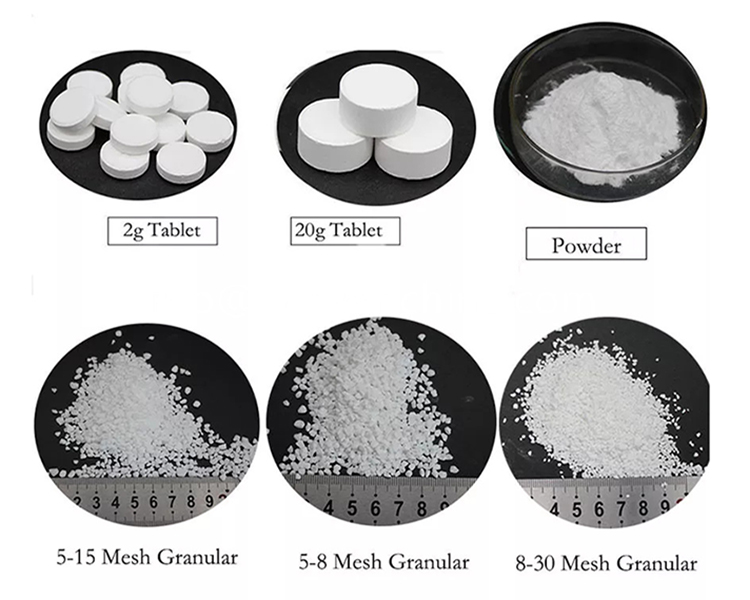
- Switch to High-Purity Precursors: We introduced ENVO’s high-purity Sodium Hypochlorite (for liquid dosing) and Calcium Hypochlorite granules (for batch treatment).
- The Purity Factor: ENVO’s products contain <0.1% insolubles and negligible heavy metals. This meant no extra catalysts to create weird smells. The chlorine went straight to work oxidizing the $H_2S$ and geosmin.
- Optimized Dosing Strategy: Instead of a massive single dose (which creates chloramine spikes), we implemented a split-dose protocol. A small initial dose oxidized the sulfides; a second dose, added after 15 minutes of mixing, tackled the remaining organics and established a free chlorine residual.
- Aeration Assistance: Where possible, we added simple aeration steps post-chlorination to strip out any remaining volatile gases. With the chemistry now balanced, this final step polished the water to neutrality.
The Results: Data Don’t Lie (and Neither Does the Nose)
The transformation was almost immediate. Within 24 hours, the “rotten egg” smell vanished. The sharp chemical odor was replaced by the faint, clean scent of properly treated water.
Quantifiable Wins:
- Odor Elimination: Hydrogen sulfide levels dropped from 2.5 mg/L to non-detectable. Geosmin/MIB levels reduced by 95%.
- Acceptance Rate: Water rejection by the camp population dropped from 60% to <5%. People started drinking the treated water again.
- Cost Savings: By eliminating the need for emergency bottled water trucks, the camp saved $12,000 per day.
- Chemical Efficiency: Because ENVO’s product was 100% potent (unlike the degraded bleach), chemical consumption dropped by 35%. We used less product to get better results.
- Safety: No more complaints of respiratory irritation from chloramine fumes among the distribution staff.
“It’s like the air itself changed,” Mateo said during our three-day review, holding a cup of clear, odorless water. “The people are smiling again. They trust the water. We aren’t just moving liquid anymore; we’re saving lives.”
Why ENVO CHEMICAL Made the Difference
Could they have used cheaper precursors? Technically, yes. But would the smell have gone away? Absolutely not. The consistency of ENVO CHEMICAL’s product was the secret sauce.
- Purity = Predictability: Generic chlorine often contains stabilizers or heavy metals that interfere with oxidation, leading to incomplete reactions and lingering odors. ENVO’s >99% pure product ensured that every gram contributed to efficient odor destruction. No guesswork.
- Stability in Crisis: In a hot, humid disaster zone, standard bleach degrades in days. ENVO’s stabilized formulation retained its potency for weeks, ensuring that the dose calculated in the morning was still accurate in the evening.
- Global Reliability: When the camp needed an urgent restock during a logistics bottleneck, ENVO’s network—spanning over 200 countries—ensured delivery within 48 hours. In emergency response, running out of disinfectant is not an option.
A Blueprint for B2B Success in Emergency Response
This case study isn’t unique to Southeast Asia. Whether you manage a disaster relief operation, a remote mining camp, or a municipal emergency reserve, the principles remain the same: Purity beats volume.
- Stop Over-Dosing: More chlorine often means more odor if the product is impure or degraded.
- Demand Stability: In harsh environments, only stabilized, high-purity chlorine delivers consistent results.
- Partner Up: Choose a supplier who understands the stakes of emergency response.
Adopting these best practices for odor control with a high-quality partner can transform your operational efficiency and community trust.
Frequently Asked Questions (FAQ)
Q: Why does chlorine sometimes make water smell worse? When chlorine reacts with ammonia or organic matter in incorrect ratios (often due to degraded or impure chlorine), it forms chloramines (dichloramine and nitrogen trichloride), which have a strong, unpleasant “pool” odor. High-purity chlorine allows for precise dosing to avoid this.
Q: How quickly can high-purity chlorine eliminate hydrogen sulfide odors? With proper dosing based on breakpoint chlorination, high-purity chlorine can oxidize hydrogen sulfide almost instantly (within minutes), eliminating the “rotten egg” smell immediately.
Q: Is ENVO CHEMICAL’s product safe for emergency drinking water? Yes. ENVO’s high-purity sodium hypochlorite and calcium hypochlorite are fully certified to meet WHO, EPA, and EU standards for drinking water disinfection, ensuring safety even in the most vulnerable populations.
Q: Does ENVO CHEMICAL provide support for emergency deployments? Yes. ENVO offers rapid logistical support through its global network in over 200 countries, along with technical guidance on dosing and troubleshooting specific water quality issues like odor and turbidity.
Partner with the Global Leader in Emergency Water Safety
Don’t let odor problems compromise your emergency response or erode public trust. The shift to high-purity, stable chlorine, guided by expert protocols, is your path to operational excellence and community acceptance.
ENVO CHEMICAL stands as a premier innovator in the water treatment industry, combining cutting-edge R&D with a robust global supply chain. With products exported to over 200 countries, ENVO delivers the reliability, purity, and technical expertise that emergency responders demand. Whether you need custom dosage calculations, bulk supply solutions, or on-the-ground technical support, ENVO is ready to partner with you.
Ready to eliminate odors and ensure safe, palatable water for your emergency operations? Contact ENVO CHEMICAL today to request a sample, download our comprehensive emergency response guide, or speak with our experts about tailoring a chlorine solution for your facility. Let’s make every drop count when it matters most.
Author: Dr. Julian V. Mercer
Senior Humanitarian Water & Sanitation Specialist | 25+ Years in Global Disaster Response & Water Quality Strategy
