
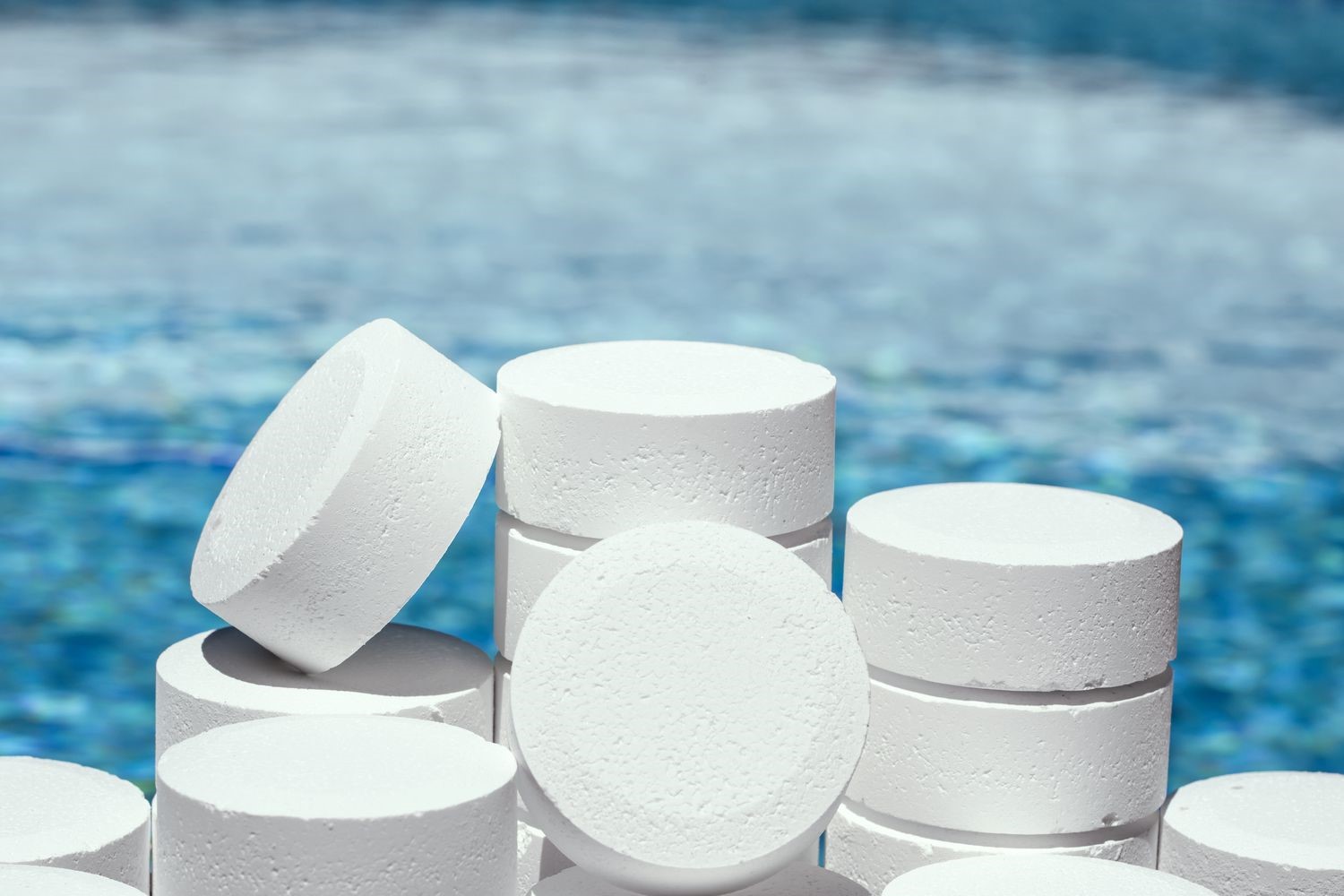
Solving Common Sludge Dewatering with TCCA in Municipal Drinking Water Disinfection
As a water treatment specialist who’s spent the last 18 years troubleshooting municipal water systems across five continents, I’ve seen countless facilities grapple with the persistent headache of sludge management. There’s nothing more frustrating than watching your budget drain away through inefficient dewatering processes while struggling to meet increasingly stringent regulatory requirements. That’s why I’m excited to share how TCCA (Trichloroisocyanuric Acid) has revolutionized this aspect of municipal drinking water disinfection for so many of my clients.
The Unseen Challenge: Sludge Dewatering in Municipal Systems
Municipal drinking water treatment plants generate significant sludge volumes during disinfection processes, yet many facilities still rely on outdated methods that simply don’t cut it. I recall a conversation with a plant manager in Australia who was spending nearly 40% of his annual wastewater budget on sludge disposal—money that could have been reinvested in system upgrades. The problem isn’t just financial; inefficient dewatering leads to higher moisture content in sludge, increasing transportation costs and complicating disposal options. As regulations tighten globally, this challenge has moved from an operational nuisance to a critical business imperative.
Why TCCA Transforms Sludge Management
TCCA isn’t just another disinfectant—it’s a game-changer for sludge dewatering. The key lies in its unique sustained-release mechanism, which provides a controlled chlorine release over time. This isn’t just about disinfection; it fundamentally improves the physical properties of the sludge. The slow-release chlorine enhances flocculation, allowing particles to bind more effectively and form denser aggregates. In my experience, this typically results in 25-35% volume reduction compared to conventional disinfectants like sodium hypochlorite.
What really sets TCCA apart is its chemical stability. Unlike liquid disinfectants that degrade quickly or require precise dosing systems, TCCA maintains consistent performance across varying water temperatures and pH levels. I’ve worked with facilities in both tropical and temperate climates where TCCA delivered reliable results regardless of seasonal changes. Plus, its solid form eliminates the need for specialized storage tanks and reduces handling risks—something my clients consistently appreciate.
Real Results from the Field
Last year, I collaborated with a municipal treatment plant in Brazil that was struggling with excessive sludge volumes. After implementing TCCA in their disinfection process, they achieved a 32% reduction in sludge volume within just six weeks. The plant manager was thrilled to see their disposal costs drop by nearly $25,000 monthly while maintaining excellent water quality. The most impressive part? The system required minimal modifications to integrate TCCA, making it a practical solution for their aging infrastructure.
Another compelling example comes from a European facility that faced seasonal challenges with high turbidity water. During peak spring runoff, their traditional disinfection process struggled to maintain consistent sludge dewatering. TCCA’s stability allowed them to maintain optimal performance throughout the year, reducing their chemical consumption by 20% while improving sludge compaction.
Frequently Asked Questions
Q: How does TCCA’s sustained release actually improve dewatering?
A: The gradual chlorine release promotes better flocculation of fine particles, creating denser flocs that settle more effectively and release more water. This physical change in sludge properties directly translates to reduced volume and improved dewatering efficiency.
Q: Is TCCA compatible with existing disinfection systems?
A: Absolutely. TCCA can be easily incorporated into most existing treatment processes with minimal equipment modifications. Many facilities simply replace their current disinfectant with TCCA without altering their operational protocols.
Q: What’s the environmental impact compared to traditional methods?
A: TCCA reduces sludge volume significantly, which means less material needs to be transported and disposed of—lowering both carbon footprint and environmental impact. The residual chlorine also breaks down into harmless compounds, making it a more sustainable choice.
Q: How does TCCA compare to other solid disinfectants?
A: TCCA offers superior stability and higher available chlorine content (around 90%) compared to alternatives like calcium hypochlorite. This translates to better performance, longer shelf life, and more consistent results in sludge management.
Q: What’s the typical payback period for switching to TCCA?
A: Most facilities see a return on investment within 6-12 months through reduced sludge disposal costs and lower chemical consumption. The exact timeline depends on your current system and sludge characteristics.
As a water treatment professional who’s seen countless solutions come and go, I can confidently say that TCCA represents one of the most practical, effective advancements in municipal water treatment in recent years. At ENVO CHEMICAL, we’ve dedicated our R&D efforts to perfecting these solutions, and our TCCA-based products have helped water treatment facilities across 200+ countries optimize their disinfection and sludge management processes.
Our commitment to innovation and quality has positioned us as a trusted partner for municipal water systems seeking reliable, sustainable solutions. We don’t just sell chemicals—we provide comprehensive water treatment expertise tailored to your specific operational challenges.
Ready to transform your sludge management process? Our team of water treatment specialists is ready to help you implement TCCA solutions that deliver immediate cost savings and long-term operational benefits. Don’t let inefficient sludge dewatering continue to drain your budget.
Contact us today to discuss your specific water treatment challenges and discover how TCCA can deliver measurable results for your municipal drinking water system.
Author: Dr. Michael Rodriguez
