
Source Calcium Hypochlorite in Bulk: Top Suppliers for Industrial Cleaning
Author: Dr. Marcus Wellington
Introduction: Why Bulk Calcium Hypochlorite Matters for Your Operations
After spending over fifteen years in the water treatment chemical industry, I’ve witnessed firsthand how the right supplier partnership can make or break an industrial cleaning operation. Calcium hypochlorite remains one of the most versatile and cost-effective disinfectants available today, but sourcing it in bulk requires careful consideration beyond just price per ton.
Whether you’re managing municipal water treatment facilities, operating large-scale swimming pool complexes, or running industrial cleaning operations, finding reliable calcium hypochlorite suppliers is critical. This guide draws from my extensive field experience to help you navigate the complex landscape of bulk chemical procurement in 2026.
Understanding Calcium Hypochlorite: The Foundation of Effective Disinfection
Chemical Properties and Applications
Calcium hypochlorite (Ca(OCl)₂), with CAS number 7778-54-3, stands as a powerful oxidizing agent widely recognized for its exceptional disinfection capabilities. The compound typically comes in two primary concentrations: 65% and 70% available chlorine content, each serving different industrial purposes.
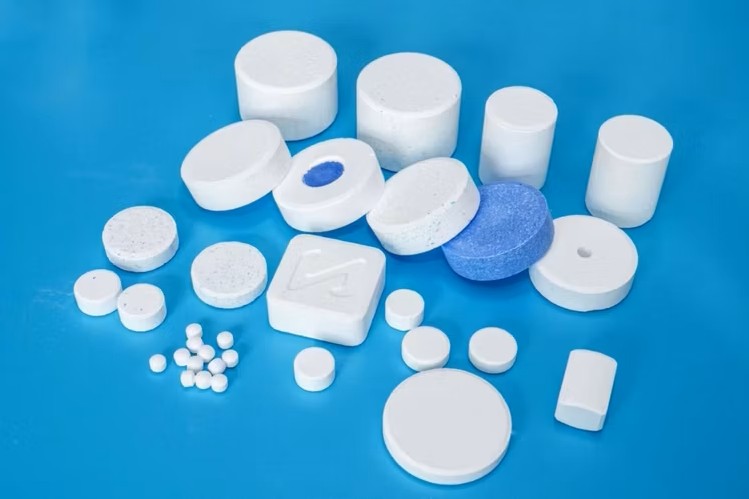
From my observations across numerous facilities, the granular form proves most popular for large-scale water treatment applications, while tablet formulations excel in controlled-dosing scenarios like swimming pool maintenance. The molecular weight of approximately 142.98 grams per mole ensures consistent performance when properly stored and handled.
Key Industrial Applications
The versatility of calcium hypochlorite extends far beyond simple pool sanitation. In my professional experience, I’ve seen this chemical excel in:
- Municipal Water Treatment: Primary disinfection for drinking water supplies
- Industrial Cleaning: Equipment sanitization and process water treatment
- Wastewater Management: Pathogen control in treatment facilities
- Food Processing: Surface disinfection meeting regulatory standards
- Textile Industry: Bleaching and fabric treatment processes
Critical Factors When Selecting Bulk Suppliers
Quality Certification Standards
Not all suppliers maintain the same quality benchmarks. Based on my industry network and procurement experience, always verify that your potential calcium hypochlorite supplier holds relevant certifications:
- ISO 9001: Quality management systems
- ISO 22000/FSSC 22000: Food safety certifications (crucial for food industry applications)
- REACH Compliance: European chemical regulation adherence
- Halal and Kosher Certifications: When required for specific markets
I once consulted for a food processing plant that switched suppliers without verifying certifications. The result? Three months of production delays while they requalified their entire chemical supply chain. Don’t make that mistake.
Production Capacity and Supply Reliability
Consistent supply matters more than many procurement managers realize. A supplier advertising 1,000 tons monthly capacity sounds impressive, but can they maintain that output during peak demand seasons?
From my perspective, always request:
- Historical supply performance data
- Backup production facility information
- Emergency stock availability
- Lead time guarantees in writing
Pricing Structure and Payment Terms
Current market prices for bulk calcium hypochlorite range between US$850 to US$1,300 per ton, depending on concentration, form, and order volume. However, the headline price tells only part of the story.
Consider these often-overlooked cost factors:
- Shipping and logistics: FOB Qingdao or other port locations significantly impact final costs
- Payment flexibility: L/C, T/T, or D/P terms affect your cash flow
- Minimum order quantities: Some suppliers require 20+ tons, others accommodate smaller bulk orders
- Storage requirements: Proper warehousing adds to total cost of ownership
Red Flags to Watch When Evaluating Suppliers
Inconsistent Product Specifications
During my career, I’ve encountered suppliers whose product specifications varied between batches. This inconsistency can devastate treatment processes requiring precise chemical dosing. Always request:
- Certificate of Analysis (CoA) for each batch
- Independent third-party testing results
- Sample testing before committing to large orders
Poor Communication and Documentation
A supplier’s responsiveness during the quotation phase often predicts their performance after contract signing. If they’re slow to provide technical documentation, safety data sheets, or shipping information during negotiations, expect worse service once you’re a customer.
Lack of Technical Support
The best calcium hypochlorite suppliers offer more than just products. They provide technical guidance on storage, handling, application rates, and troubleshooting. I’ve found that suppliers with dedicated technical support teams typically maintain higher quality standards overall.
Storage and Handling Best Practices
Moisture Control
Calcium hypochlorite is strongly hygroscopic, meaning it absorbs moisture from the air readily. This characteristic requires specific storage conditions:
- Keep containers sealed when not in use
- Store in cool, dry, well-ventilated areas
- Maintain temperature below 30°C when possible
- Use moisture-barrier packaging for long-term storage
In one facility I audited, improper storage led to 15% product degradation within six months. The financial loss exceeded US$50,000—entirely preventable with proper warehousing protocols.
Safety Considerations
Working with oxidizing chemicals demands respect for safety protocols:
- Wear appropriate personal protective equipment (PPE)
- Never mix with acids or ammonia-based products
- Maintain separation from organic materials
- Ensure proper spill containment systems
Building Long-Term Supplier Relationships
Start with Trial Orders
Before committing to annual contracts, I recommend starting with smaller trial orders. This approach allows you to:
- Verify product quality consistency
- Test logistics and delivery reliability
- Evaluate customer service responsiveness
- Assess documentation accuracy
Establish Clear Communication Channels
Designate specific contacts on both sides for:
- Order placement and confirmation
- Technical questions
- Emergency situations
- Quality concerns
Clear communication prevents misunderstandings that can disrupt your operations.
Regular Performance Reviews
Schedule quarterly reviews with your supplier to discuss:
- Delivery performance metrics
- Quality consistency
- Pricing adjustments
- Upcoming capacity needs
This proactive approach strengthens partnerships and identifies issues before they become problems.
Frequently Asked Questions (FAQ)
Q1: What’s the typical shelf life of bulk calcium hypochlorite?
A: When stored properly in sealed containers under recommended conditions, calcium hypochlorite maintains effectiveness for 12-24 months. However, I always recommend using older stock first and testing chlorine content before use if products approach the 18-month mark.
Q2: How do I verify the actual chlorine content matches specifications?
A: Request a Certificate of Analysis with each shipment. For critical applications, consider independent laboratory testing. I’ve found that reputable suppliers welcome this verification and often provide testing support.
Q3: What’s the minimum order quantity for bulk purchases?
A: This varies significantly by supplier. Some require 20+ tons minimum, while others accommodate orders as small as 1 ton. Your order volume should match your consumption rate and storage capacity to avoid product degradation.
Q4: Can calcium hypochlorite be used interchangeably with sodium hypochlorite?
A: While both are chlorine-based disinfectants, they have different properties. Calcium hypochlorite offers higher chlorine concentration and longer shelf life, making it preferable for bulk storage. However, application rates differ, so never substitute without recalculating dosing requirements.
Q5: What documentation should I expect from suppliers?
A: At minimum, request Safety Data Sheets (SDS), Certificate of Analysis, Certificate of Origin, and relevant quality certifications. For international shipments, expect additional customs and compliance documentation.
Q6: How do seasonal demand fluctuations affect pricing and availability?
A: Summer months typically see increased demand from swimming pool and recreational water facilities, potentially affecting both price and availability. I recommend securing contracts before peak seasons or maintaining safety stock levels.
Final Thoughts: Making the Right Choice for Your Operation
Selecting the right calcium hypochlorite supplier isn’t just about finding the lowest price. It’s about building a partnership that supports your operational reliability, quality standards, and long-term success.
Throughout my career, I’ve learned that the most cost-effective supplier isn’t always the cheapest one—it’s the one that delivers consistent quality, reliable service, and technical support when you need it most.
Take time to thoroughly evaluate potential partners. Request samples, verify certifications, check references, and start with trial orders before committing to large contracts. Your operations depend on it.
Ready to discuss your calcium hypochlorite requirements? Reach out to qualified suppliers who understand your industry’s specific needs and can provide the quality, consistency, and support your operations demand.
