
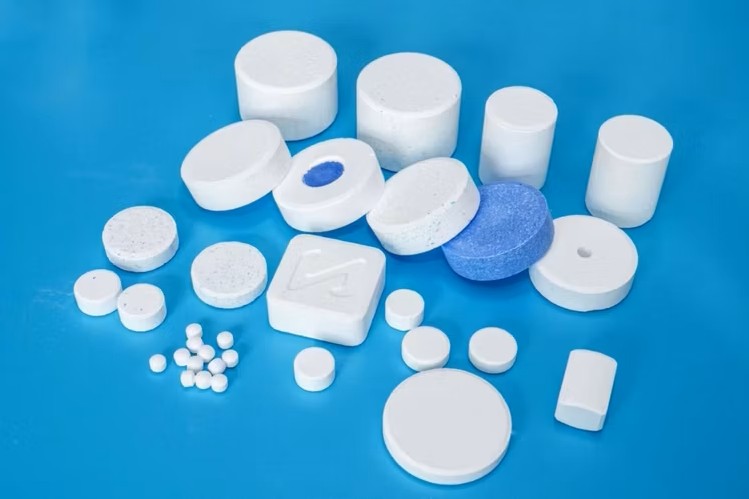
Source EPA Approved Calcium Hypochlorite for Food Processing
Introduction
In the food processing industry, maintaining the highest standards of sanitation and safety is not just a regulatory requirement—it’s a business imperative. Contamination risks can lead to costly recalls, brand damage, and serious public health consequences. That’s why sourcing EPA approved calcium hypochlorite for food processing has become a critical decision for facility managers, procurement officers, and quality control directors across the industry.
This article explores how partnering with the right supplier for EPA-certified disinfectants can solve your sanitation challenges while ensuring compliance, cost-efficiency, and operational excellence.
Why EPA Approval Matters in Food Processing
Regulatory Compliance and Safety Standards
The Environmental Protection Agency (EPA) sets rigorous standards for disinfectants used in food processing environments. EPA approved calcium hypochlorite undergoes extensive testing to verify its effectiveness against pathogens while ensuring it remains safe for use in facilities where food is handled, processed, and packaged.
Using non-approved products can result in:
- Regulatory violations and fines
- Failed health inspections
- Increased liability exposure
- Compromised food safety protocols
Consistency in Disinfection Performance
EPA certification guarantees that each batch meets specified purity and concentration levels. This consistency is crucial for food grade calcium hypochlorite suppliers who understand that variable disinfectant quality can undermine entire sanitation programs.
Common Pain Points in Sourcing Calcium Hypochlorite
Supply Chain Reliability Issues
Many food processing facilities struggle with inconsistent supply chains that lead to:
- Production delays due to sanitizer shortages
- Emergency purchasing at premium prices
- Inability to maintain sanitation schedules
Quality Verification Challenges
Without proper documentation, verifying product authenticity becomes difficult. B端 buyers need:
- Certificate of Analysis (COA) for each shipment
- Batch tracking capabilities
- Third-party testing verification
Cost Management Pressures
Balancing quality with budget constraints remains a persistent challenge. Bulk purchasing from verified calcium hypochlorite manufacturers can reduce per-unit costs while maintaining quality standards.
Solutions for B2B Buyers
Partner with Certified Suppliers
Working with established EPA registered calcium hypochlorite distributors ensures:
- Guaranteed product authenticity
- Complete regulatory documentation
- Technical support for proper application
- Consistent supply scheduling
Implement Bulk Procurement Strategies
Large-scale food processors benefit from:
- Volume-based pricing advantages
- Reduced shipping frequency
- Better inventory management
- Long-term supply agreements
Request Comprehensive Documentation
Always require:
- EPA registration numbers
- Safety Data Sheets (SDS)
- Food contact surface approvals
- Storage and handling guidelines
Best Practices for Implementation
Proper Storage and Handling
Calcium hypochlorite requires specific storage conditions to maintain effectiveness:
- Cool, dry environments
- Separation from incompatible materials
- Proper ventilation systems
- Secure containment to prevent contamination
Staff Training Programs
Ensure your team understands:
- Correct dilution ratios
- Application methods for different surfaces
- Safety protocols and PPE requirements
- Emergency response procedures
Regular Quality Audits
Conduct periodic reviews of:
- Sanitation effectiveness
- Product performance metrics
- Compliance documentation
- Supplier performance evaluations
Conclusion
Sourcing EPA approved calcium hypochlorite for food processing is more than a purchasing decision—it’s a strategic investment in food safety, regulatory compliance, and brand protection. By partnering with certified suppliers, implementing proper storage protocols, and maintaining comprehensive documentation, food processing facilities can mitigate risks while optimizing operational efficiency.
The right supplier relationship transforms calcium hypochlorite procurement from a compliance burden into a competitive advantage that protects both your products and your reputation.
FAQ
Q: What makes calcium hypochlorite EPA approved for food processing?
A: EPA approval requires extensive testing for efficacy against specific pathogens, safety for food contact surfaces, and compliance with concentration limits. Manufacturers must submit detailed documentation and maintain consistent quality standards.
Q: How do I verify EPA registration for calcium hypochlorite products?
A: Request the EPA registration number from your supplier and verify it through the EPA’s official database. Legitimate products will have clear documentation including registration dates and approved uses.
Q: What is the typical shelf life of calcium hypochlorite for food processing applications?
A: Properly stored calcium hypochlorite typically maintains effectiveness for 2-3 years. Storage conditions significantly impact shelf life, so follow manufacturer guidelines for temperature and humidity control.
Q: Can I use the same calcium hypochlorite concentration for all food processing surfaces?
A: No. Different surfaces and applications require specific concentrations. Always follow EPA-approved labeling instructions and consult with your supplier for application-specific recommendations.
Q: What documentation should I request from calcium hypochlorite suppliers?
A: Request EPA registration certificates, Certificates of Analysis, Safety Data Sheets, batch numbers, and food contact surface approval documentation for complete compliance verification.
Author: Dr. Marcus Richardson
For more information about EPA approved calcium hypochlorite solutions for your food processing facility, visit our contact page to connect with our technical team.
