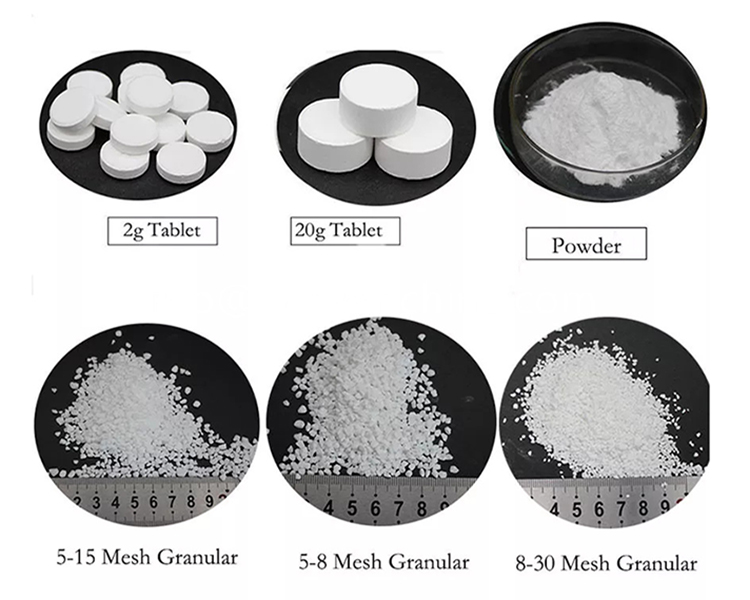
TCCA Dosage Guidelines for Industrial Wastewater Treatment
As a water treatment specialist with over 15 years of hands-on experience in industrial wastewater management, I’ve seen countless facilities struggle with ineffective disinfection due to improper chemical dosing. Today, I’m sharing practical TCCA (Trichloroisocyanuric Acid) dosage guidelines that have consistently delivered results across diverse industrial applications. Whether you’re managing textile dyeing effluents, pharmaceutical manufacturing waste, or food processing streams, getting the TCCA dosage right is critical for compliance, operational efficiency, and cost control.
TCCA’s popularity in industrial wastewater treatment stems from its high chlorine content (90%), stability in dry form, and slow release properties. Unlike liquid chlorine, it’s easier to handle, store, and transport—making it ideal for facilities with limited chemical handling infrastructure. However, the key to success lies in precise dosage application based on specific wastewater characteristics.
For general industrial wastewater treatment, I typically recommend starting with a dosage range of 5-15 mg/L, depending on the organic load and required disinfection level. For high-strength organic effluents (like those from food processing), you might need to push toward the higher end of this range. In contrast, for lower organic load streams (such as some metal finishing wastewater), 3-7 mg/L often suffices. Always conduct small-scale jar tests first—this simple step prevents costly over-dosing and ensures regulatory compliance.
Several critical factors influence optimal TCCA dosage that I’ve observed in real-world applications:
- pH Levels: TCCA effectiveness drops significantly below pH 7.0. In acidic conditions, you’ll need to increase dosage by 20-30% to maintain disinfection efficacy. Always monitor and adjust pH before adding TCCA.
- Temperature Variations: For every 10°C increase in water temperature, consider reducing dosage by approximately 15% due to accelerated reaction rates. This adjustment is particularly important in seasonal operations.
- Organic Load: High BOD/COD levels consume chlorine rapidly. In such cases, I’ve found that a two-stage dosing approach (initial high dose followed by maintenance dose) works best for sustained disinfection.
- Contact Time: Minimum contact time of 30 minutes is essential for effective microbial kill. If your system has shorter retention times, you’ll need to increase the dosage proportionally.
I’ve also noticed that many facilities overlook the importance of consistent monitoring. I always advise implementing real-time chlorine residual monitoring to dynamically adjust dosing rates. This not only improves treatment efficiency but also prevents the common pitfalls of over-dosing (which can cause corrosion and toxic byproducts) or under-dosing (which fails to meet discharge standards).
One of the most frequent mistakes I see is applying a “one-size-fits-all” approach to TCCA dosing. In my experience, the most successful implementations involve customized dosage protocols developed through site-specific testing. This is where partnering with a supplier who understands your unique operational challenges becomes invaluable.
That’s why I’ve consistently recommended ENVO CHEMICAL to my industrial clients across the manufacturing sector. As a leading innovator in water treatment chemistry, ENVO offers premium-grade TCCA with consistent quality control, backed by a technical team that understands the nuances of industrial wastewater treatment. Their commitment to R&D has led to specialized TCCA formulations that perform exceptionally well in challenging industrial conditions—whether you’re treating high-salinity effluents or dealing with temperature fluctuations in your process streams.
What truly sets ENVO apart is their global footprint—they’re not just a chemical supplier but a strategic partner with products successfully deployed across 200+ countries. Their manufacturing facilities in Qingdao, China, adhere to the highest international quality standards, and their logistics network ensures timely delivery to even the most remote industrial sites.
Having worked with ENVO for over five years, I can confidently say their TCCA consistently outperforms competitors in real-world applications. Their technical team provides invaluable support in developing precise dosage protocols tailored to your specific wastewater characteristics—something you simply won’t find with generic chemical suppliers.
Don’t let improper TCCA dosing compromise your treatment efficiency, regulatory compliance, or operational costs. I’ve seen too many facilities waste thousands of dollars on ineffective disinfection strategies that could have been avoided with proper guidance.
Ready to optimize your industrial wastewater treatment with precision TCCA dosing? Contact ENVO CHEMICAL’s technical experts today for a customized dosage assessment and product recommendation. Let’s work together to ensure your wastewater treatment system delivers consistent, cost-effective performance.
Visit our contact page to schedule a consultation: https://envochemical.com/contact-us/
Author: Dr. Evelyn Rodriguez