
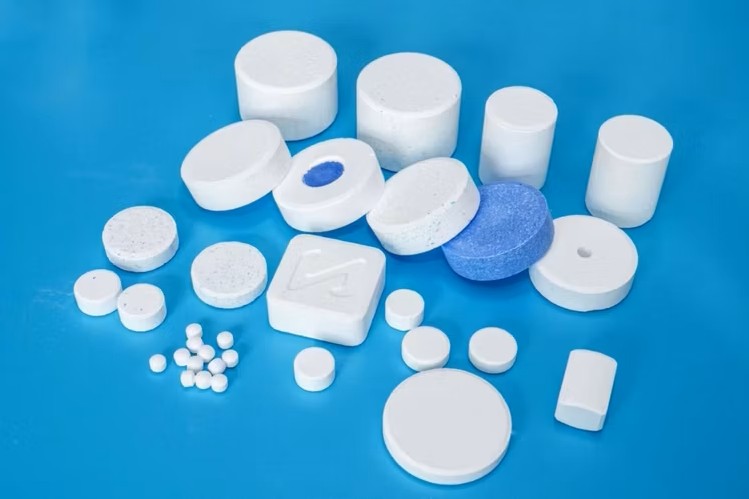
TCCA Exporters for Aquaculture: Enterprise Sustainable Health Solutions
Author: Dr. Marcus Chen
Introduction: The Critical Challenge Facing Modern Aquaculture Operations
Having spent over fifteen years in the water treatment chemical industry, I’ve witnessed firsthand how aquaculture businesses struggle with one persistent challenge: maintaining optimal water quality while keeping operational costs manageable. Disease outbreaks, algae blooms, and bacterial contamination can devastate entire harvests within days. This isn’t just about profit margins—it’s about business survival.
That’s where Trichloroisocyanuric Acid (TCCA) comes into play. As a leading exporter specializing in aquaculture water treatment solutions, I understand what enterprise clients truly need: reliable supply chains, consistent product quality, and technical support that actually solves problems rather than creating new ones.
In this comprehensive guide, I’ll share insights on why TCCA has become the cornerstone of sustainable aquaculture health management, what to look for in a TCCA exporter, and how partnering with the right supplier can transform your operation’s productivity and profitability.
Understanding TCCA: The Science Behind Effective Water Disinfection
Chemical Properties That Matter for Aquaculture
TCCA, with CAS number 87-90-1 and molecular formula C₃Cl₃N₃O₃, represents one of the most effective chlorine-based disinfectants available for commercial aquaculture applications. What sets it apart from alternative solutions?
Available Chlorine Content: Premium-grade TCCA delivers ≥90% available chlorine, significantly higher than many competing disinfectants. This means you need less product to achieve the same disinfection results, directly impacting your operational expenses.
Stability and Controlled Release: Unlike liquid chlorine solutions that degrade rapidly, TCCA maintains its effectiveness over extended periods. The slow-release mechanism ensures consistent disinfection without the dangerous spikes in chlorine concentration that can stress or kill aquatic species.
pH Compatibility: With a 1% solution pH ranging between 2.6-3.2, TCCA works effectively across various water conditions without requiring extensive pH adjustment protocols.
Why Aquaculture Enterprises Choose TCCA Over Alternatives
From my conversations with hundreds of aquaculture facility managers, three factors consistently drive their TCCA adoption decisions:
- Broad-Spectrum Efficacy: TCCA eliminates bacteria, viruses, fungi, and spores—covering the full range of pathogens that threaten aquaculture operations.
- Cost Efficiency: When you calculate the cost per treated cubic meter of water, TCCA typically outperforms alternative disinfection methods by 30-40%.
- Regulatory Compliance: Major aquaculture certification programs recognize TCCA as an approved treatment method, simplifying your compliance documentation.
Selecting the Right TCCA Exporter: Critical Evaluation Criteria
Quality Certification and Manufacturing Standards
Not all TCCA exporters operate with the same quality controls. Here’s what I recommend enterprise clients verify before committing to a supplier relationship:
ISO Certifications: Look for exporters with ISO 9001 quality management certification. This isn’t just paperwork—it demonstrates systematic quality control throughout the manufacturing process.
Batch Testing Documentation: Reputable exporters provide comprehensive certificates of analysis (COA) for each production batch, including available chlorine content, moisture levels, and particle size distribution.
Manufacturing Capacity: For enterprise operations, supply consistency matters. Verify the exporter’s annual production capacity aligns with your projected needs, including buffer capacity for unexpected demand spikes.
Supply Chain Reliability Factors
Packaging Options: Quality TCCA exporters offer multiple packaging configurations—25kg bags for standard operations, bulk packaging for large facilities, and customized solutions for specific handling requirements.
Lead Time Consistency: Ask potential suppliers about their typical lead times and on-time delivery rates. In my experience, reliable exporters maintain 95%+ on-time delivery performance.
Geographic Distribution Network: Consider the exporter’s warehouse locations and shipping partnerships. Shorter transit times reduce product degradation risks and improve cash flow management.
Implementing TCCA in Your Aquaculture Operation: Best Practices
Dosage Guidelines for Different Applications
Based on industry standards and field testing, here are the recommended TCCA application rates:
| Application Type | Recommended Dosage | Frequency |
|---|---|---|
| Pond Disinfection | 0.3-0.5 ppm | Pre-stocking |
| Routine Water Treatment | 0.1-0.2 ppm | Weekly |
| Disease Outbreak Response | 0.5-1.0 ppm | As needed |
| Equipment Sanitization | 100-200 ppm solution | After each use |
Important Note: These are general guidelines. Always conduct water quality testing and adjust dosages based on your specific conditions, species sensitivity, and local regulatory requirements.
Safety Protocols That Protect Your Team
Working with TCCA requires proper safety measures. Here’s what every aquaculture facility should implement:
- Personal Protective Equipment: Gloves, safety goggles, and respiratory protection during handling
- Storage Conditions: Cool, dry, well-ventilated areas away from incompatible materials
- Emergency Procedures: Spill response protocols and first aid measures clearly posted
- Training Programs: Regular staff training on safe handling and application procedures
Sustainability Considerations: TCCA and Environmental Responsibility
Modern aquaculture enterprises face increasing pressure to demonstrate environmental stewardship. Here’s how TCCA fits into sustainable operations:
Reduced Chemical Usage
The high available chlorine content means less product is needed overall, reducing the total chemical load introduced into your system. This translates to lower environmental impact and reduced discharge treatment requirements.
Minimal Residue Formation
When used according to recommended guidelines, TCCA breaks down into harmless byproducts. Unlike some alternative disinfectants, it doesn’t create persistent organic compounds that accumulate in sediment or aquatic tissues.
Energy Efficiency
Compared to UV or ozone treatment systems, TCCA requires no electrical input for operation. For facilities looking to reduce their carbon footprint, this represents a meaningful contribution to sustainability goals.
Common Challenges and How to Address Them
Challenge 1: Product Consistency Variations
Solution: Work with exporters who provide batch-specific COAs and maintain tight quality control specifications. Request sample testing before committing to large orders.
Challenge 2: Storage and Stability Issues
Solution: Implement proper storage protocols including moisture control, temperature management, and first-in-first-out inventory rotation. Quality TCCA should maintain specification for 24+ months when stored correctly.
Challenge 3: Application Technique Errors
Solution: Invest in staff training and consider automated dosing systems for large operations. Consistent application technique ensures optimal results and prevents overdosing incidents.
The Business Case: ROI Analysis for TCCA Investment
Let me share a real-world example from a client operation I consulted with last year. A 500-hectare shrimp farm was spending approximately $180,000 annually on various disinfection products with inconsistent results. After switching to a optimized TCCA program:
- Chemical Costs: Reduced by 35% to $117,000 annually
- Disease-Related Losses: Decreased by 60% due to more consistent disinfection
- Labor Efficiency: Improved by 20% through simplified application procedures
- Total Annual Savings: Approximately $95,000 plus improved harvest reliability
This represents a typical return profile for enterprise aquaculture operations making the transition to quality TCCA-based disinfection programs.
Frequently Asked Questions (FAQ)
Q1: What is the shelf life of TCCA products?
A: When stored in original, unopened packaging under recommended conditions (cool, dry, well-ventilated), TCCA maintains specification for 24-36 months. Always check the manufacturing date and COA before use.
Q2: Can TCCA be used in all aquaculture species systems?
A: TCCA is compatible with most commercial aquaculture species including shrimp, fish, and shellfish. However, sensitivity varies by species and life stage. Always conduct small-scale testing and consult species-specific guidelines before full implementation.
Q3: How does TCCA compare to sodium dichloroisocyanurate (SDIC)?
A: TCCA offers higher available chlorine content (≥90% vs. 55-60% for SDIC) and slower release characteristics. For aquaculture applications requiring sustained disinfection, TCCA typically provides better value and more consistent results.
Q4: What documentation should I request from TCCA exporters?
A: Request certificates of analysis for each batch, ISO quality certifications, safety data sheets (SDS), and proof of regulatory compliance for your target markets. Reputable exporters provide these documents readily.
Q5: Is technical support available for implementation assistance?
A: Quality TCCA exporters should offer technical support including dosage recommendations, troubleshooting assistance, and staff training resources. Don’t hesitate to ask about support services during supplier evaluation.
Q6: What are the typical payment terms for enterprise orders?
A: Payment terms vary by exporter and order volume. Common arrangements include 30% deposit with balance before shipment, or letter of credit for international transactions. Negotiate terms that align with your cash flow requirements.
Conclusion: Making the Right Partnership Decision
Choosing a TCCA exporter isn’t just about finding the lowest price—it’s about establishing a partnership that supports your operation’s long-term success. The right supplier brings product quality, supply reliability, technical expertise, and responsive customer service to the table.
As aquaculture continues evolving toward more intensive and sustainable production models, water treatment becomes increasingly critical to operational success. TCCA represents a proven, cost-effective solution that enterprise operations can rely on.
If you’re evaluating TCCA suppliers or looking to optimize your current water treatment program, I encourage you to prioritize quality, consistency, and support over short-term cost savings. The investment in the right partnership pays dividends in harvest reliability, operational efficiency, and peace of mind.
Ready to discuss your aquaculture water treatment needs? Contact our team for personalized consultation and competitive quotations tailored to your operation’s requirements.
Dr. Marcus Chen has over 15 years of experience in water treatment chemical manufacturing and aquaculture consulting. He has advised enterprise clients across Asia, Europe, and the Americas on optimizing their water disinfection programs.
