
# TCCA Exporters for Aquaculture Enterprises: Health Sustainable Disinfection Pond Solutions
Introduction
In the rapidly evolving aquaculture industry, maintaining optimal water quality and disease control remains one of the most critical challenges for commercial fish farms, shrimp ponds, and aquatic breeding facilities worldwide. As global demand for seafood continues to rise, aquaculture enterprises must adopt sustainable, effective, and cost-efficient disinfection solutions to ensure healthy stock production while minimizing environmental impact.
Trichloroisocyanuric Acid (TCCA), with CAS number 87-90-1, has emerged as a leading disinfectant choice for professional aquaculture operations. This comprehensive guide explores how TCCA exporters are providing health-focused, sustainable pond disinfection solutions that meet the demanding requirements of modern aquaculture enterprises across international markets.
Understanding TCCA for Aquaculture Applications
What Makes TCCA the Preferred Choice?
TCCA is a powerful organic chlorine disinfectant characterized by its high available chlorine content, typically ranging from 88% to 90% for premium grades. Unlike traditional chlorine-based disinfectants, TCCA offers several distinct advantages for aquaculture pond management:
Stable Chlorine Release: TCCA provides controlled, sustained chlorine release over extended periods, maintaining consistent disinfection levels without frequent reapplication. This stability reduces labor costs and ensures continuous protection against pathogens.
Broad-Spectrum Efficacy: The compound effectively eliminates bacteria, viruses, fungi, and algae that commonly threaten aquatic health. This comprehensive action helps prevent disease outbreaks that can cause significant economic losses.
Minimal Environmental Impact: When used according to recommended dosages, TCCA breaks down into environmentally safe byproducts, supporting sustainable aquaculture practices that align with international environmental standards.
Technical Specifications for Professional Use
Premium TCCA products suitable for aquaculture applications typically feature:
- Available Chlorine Content: 88-90% minimum
- Moisture Content: Below 0.5%
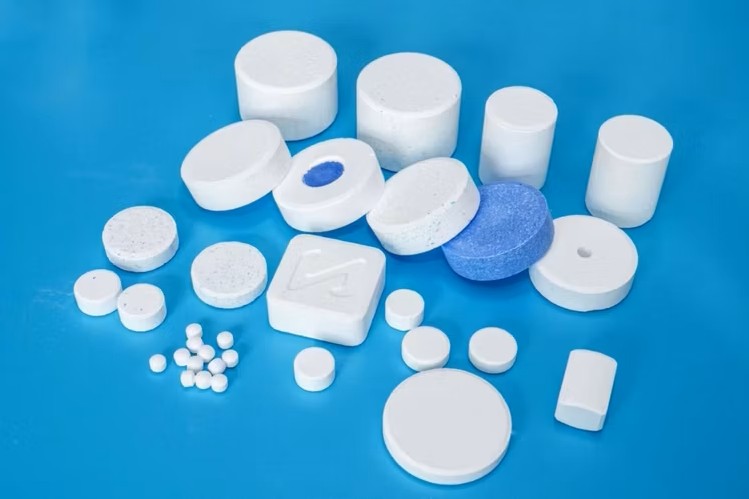
- Physical Forms: Powder, granular, or tablet configurations
- Packaging Options: 25kg, 50kg bags or customized bulk containers
- Shelf Life: 24 months under proper storage conditions
- Solubility: Approximately 1.2g per 100g water at 25°C
Sustainable Pond Disinfection Strategies
Implementing Effective Dosage Protocols
Successful aquaculture disinfection requires precise dosage calculations based on pond volume, water quality parameters, and specific disease prevention goals. Professional TCCA exporters provide detailed application guidelines tailored to different aquaculture systems:
Preventive Treatment: For routine maintenance, recommended concentrations typically range from 0.3 to 0.5 ppm available chlorine. This level maintains protective barriers against common pathogens without stressing aquatic stock.
Therapeutic Application: During disease outbreaks, concentrations may increase to 0.8-1.0 ppm under professional supervision. This elevated level helps control active infections while minimizing impact on beneficial microorganisms.
Water Preparation: Before stocking new batches, ponds require thorough disinfection at 2-3 ppm to eliminate residual pathogens from previous cycles. This preparation significantly reduces disease transmission risks.
Integration with Water Quality Management
TCCA works most effectively as part of comprehensive water quality management programs. Leading exporters recommend combining TCCA application with:
- Regular pH monitoring (optimal range 7.0-8.5)
- Dissolved oxygen level maintenance
- Ammonia and nitrite control measures
- Temperature-appropriate dosing adjustments
- Complementary probiotic applications
This integrated approach maximizes disinfection efficiency while supporting overall pond ecosystem health.
Selecting Reliable TCCA Exporters
Quality Certification Requirements
When evaluating TCCA suppliers for aquaculture applications, enterprises should verify multiple quality credentials:
International Standards Compliance: Reputable exporters maintain certifications including ISO 9001 quality management systems, ensuring consistent product quality across batches.
Safety Data Documentation: Complete MSDS (Material Safety Data Sheets) and technical specifications must be readily available, supporting safe handling and regulatory compliance.
Third-Party Testing: Independent laboratory verification of available chlorine content, moisture levels, and impurity profiles provides objective quality confirmation.
Supply Chain Reliability Factors
Consistent product availability remains crucial for uninterrupted aquaculture operations. Professional exporters demonstrate reliability through:
- Established production capacity matching customer demand
- Flexible packaging options for various operation scales
- Efficient logistics networks ensuring timely delivery
- Technical support availability throughout product lifecycle
- Transparent pricing structures with clear terms
Economic Benefits of Professional TCCA Solutions
Cost-Effectiveness Analysis
While initial product costs represent one consideration, total cost of ownership provides more meaningful comparison metrics:
Reduced Application Frequency: TCCA’s extended release characteristics mean fewer applications compared to liquid chlorine alternatives, lowering labor and transportation expenses.
Lower Disease-Related Losses: Effective disinfection directly reduces mortality rates and treatment costs, protecting profit margins throughout production cycles.
Optimized Feed Conversion: Healthier stock demonstrates improved feed conversion ratios, reducing one of aquaculture’s largest operational expenses.
Return on Investment Considerations
Professional aquaculture enterprises typically observe positive ROI within 2-3 production cycles when implementing proper TCCA disinfection protocols. The combination of reduced mortality, improved growth rates, and lower medication costs creates compelling financial justification for quality disinfectant investments.
Environmental Responsibility and Compliance
Meeting International Standards
Modern aquaculture operations face increasing scrutiny regarding environmental practices. Quality TCCA products support compliance with:
- FAO aquaculture development guidelines
- Regional environmental protection regulations
- Seafood certification program requirements
- Export market quality standards
Sustainable Practice Integration
Leading TCCA exporters increasingly support sustainability initiatives through:
- Eco-friendly packaging materials
- Carbon footprint reduction in logistics
- Water conservation guidance
- Waste minimization protocols
- Renewable energy adoption in manufacturing
Conclusion
The aquaculture industry’s continued growth depends on adopting science-based, sustainable practices that protect both stock health and environmental integrity. TCCA represents a proven disinfection solution when sourced from qualified exporters who understand aquaculture-specific requirements.
By partnering with reputable TCCA suppliers, aquaculture enterprises gain access to products backed by technical expertise, quality assurance, and ongoing support. This partnership approach enables farms to implement effective disinfection programs that enhance productivity while maintaining environmental responsibility.
As market demands evolve and regulatory frameworks strengthen, the importance of professional disinfection solutions will only increase. Forward-thinking aquaculture businesses recognize that investing in quality TCCA products from trusted exporters represents not just an operational necessity, but a strategic advantage in competitive global markets.
Frequently Asked Questions (FAQ)
Q1: What is the recommended TCCA dosage for shrimp pond disinfection?
A: For routine preventive treatment in shrimp ponds, maintain 0.3-0.5 ppm available chlorine. For therapeutic applications during disease outbreaks, increase to 0.8-1.0 ppm under professional guidance. Always adjust based on water temperature, organic load, and specific species requirements.
Q2: How often should TCCA be applied in aquaculture ponds?
A: Application frequency depends on stocking density, feeding rates, and water exchange practices. Typical preventive schedules range from once weekly to bi-weekly during active production cycles. Pre-stocking disinfection requires single high-dose application 7-10 days before introducing new stock.
Q3: Can TCCA be used in organic aquaculture certification programs?
A: Regulations vary by certification body and region. Some organic programs permit limited TCCA use under specific conditions, while others restrict chlorine-based disinfectants. Consult your certification agency before implementation to ensure compliance.
Q4: What safety precautions are necessary when handling TCCA?
A: Always wear appropriate personal protective equipment including gloves, eye protection, and respiratory masks. Store in cool, dry areas away from incompatible materials. Never mix with ammonia, urea, or acidic compounds. Follow all MSDS guidelines and local safety regulations.
Q5: How do I verify TCCA quality before bulk purchase?
A: Request recent third-party laboratory certificates showing available chlorine content, moisture levels, and impurity profiles. Reputable exporters provide batch-specific documentation. Consider ordering sample quantities for independent testing before committing to large volumes.
Q6: What is the shelf life of TCCA products?
A: Properly stored TCCA maintains effectiveness for 24 months from manufacture date. Store in original sealed containers away from moisture, direct sunlight, and extreme temperatures. Degraded product shows reduced available chlorine content and compromised disinfection performance.
For additional technical information and customized aquaculture disinfection solutions, professional consultation is available through qualified chemical suppliers specializing in water treatment applications.
