
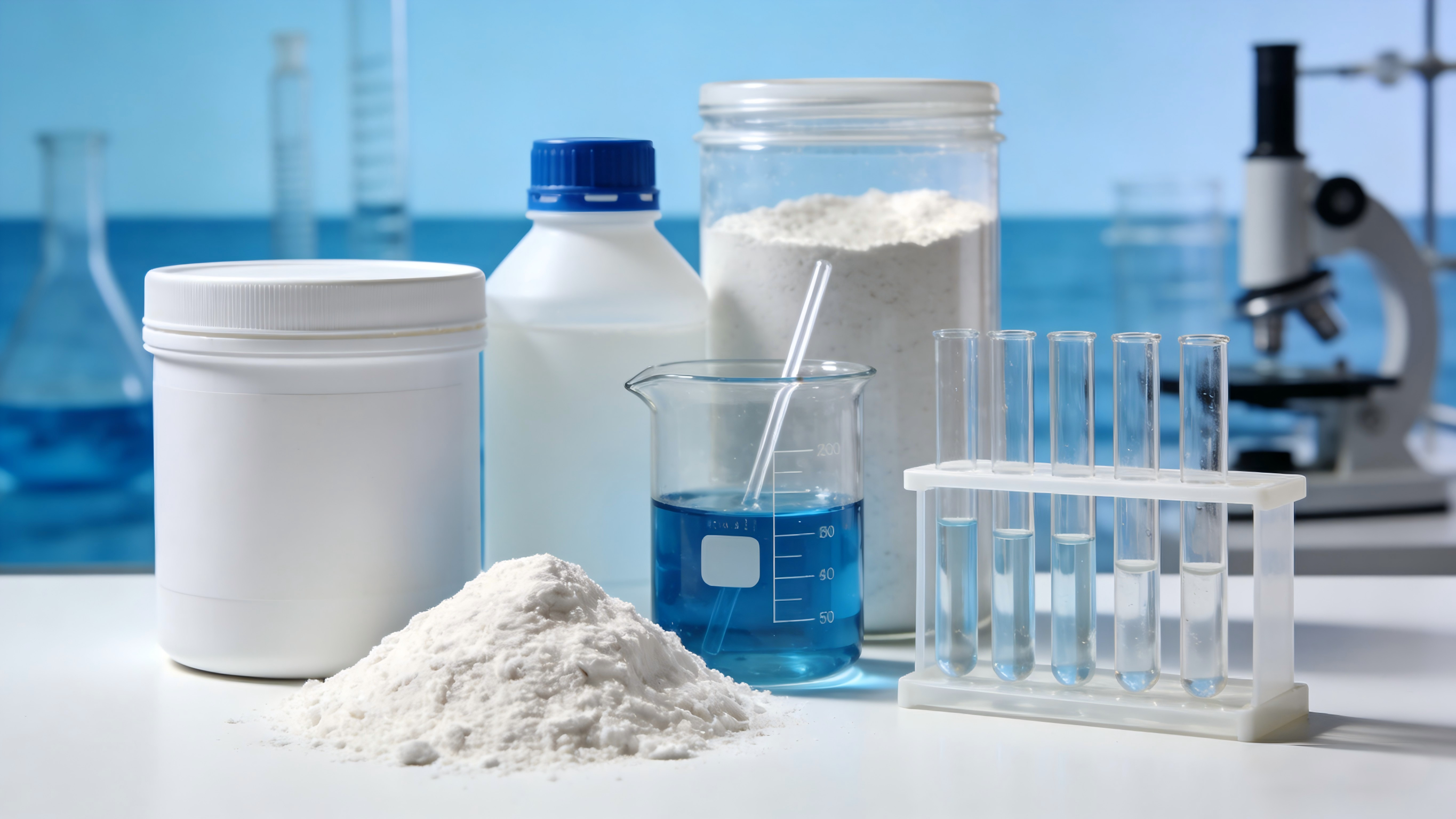
TCCA Exporters for Aquaculture Enterprises: Safe Fish Farm Water Disinfection
Introduction
Aquaculture enterprises worldwide face a critical challenge: maintaining optimal water quality while ensuring fish health and productivity. Contaminated water can lead to devastating disease outbreaks, massive stock losses, and significant financial setbacks. As a leading TCCA exporter, we understand the unique disinfection needs of modern fish farming operations. This guide explores how Trichloroisocyanuric Acid (TCCA) provides a safe, effective solution for aquaculture water disinfection.
Understanding the Aquaculture Water Disinfection Challenge
Common Pain Points for Fish Farm Operators
Fish farm managers encounter several persistent issues:
- Pathogen Control: Bacteria, viruses, and fungi thrive in warm, nutrient-rich aquaculture environments
- Water Quality Fluctuations: pH imbalance and organic buildup compromise fish health
- Regulatory Compliance: Meeting international safety standards for seafood exports
- Cost Efficiency: Balancing disinfection effectiveness with operational budgets
- Environmental Safety: Minimizing chemical residue while maximizing pathogen elimination
Traditional disinfection methods often fall short, creating demand for reliable TCCA suppliers who understand aquaculture-specific requirements.
Why TCCA Stands Out for Fish Farm Water Treatment
Superior Disinfection Performance
Trichloroisocyanuric Acid (CAS: 87-90-1) delivers exceptional results through:
- High Available Chlorine Content: 90% effective chlorine ensures powerful microbial elimination
- Slow-Release Formula: Provides sustained disinfection over extended periods
- Broad-Spectrum Activity: Effective against bacteria, viruses, fungi, and spores
- Stability: Maintains potency during storage and application
Safety Profile for Aquatic Environments
When applied correctly, TCCA offers:
- Minimal fish stress compared to alternative disinfectants
- Reduced corrosion on farming equipment
- Lower environmental impact with proper dosage management
- Compliance with international aquaculture safety standards
Selecting the Right TCCA Exporter for Your Operation
Key Quality Indicators
Professional aquaculture enterprises should verify:
| Quality Parameter | Standard Requirement |
|---|---|
| Available Chlorine | ≥90% |
| Moisture Content | ≤0.5% |
| pH Value (1% solution) | 2.6-3.2 |
| Physical Form | Powder, Granules, or Tablets |
Certification and Documentation
Reliable TCCA suppliers provide:
- ISO quality management certification
- Third-party laboratory testing reports
- Safety Data Sheets (SDS)
- Export compliance documentation
- Batch traceability records
Implementation Best Practices for Fish Farm Disinfection
Dosage Guidelines
Proper application ensures effectiveness while protecting aquatic life:
- Preventive Treatment: 0.3-0.5 ppm for routine water maintenance
- Disease Outbreak Response: 0.5-1.0 ppm for targeted disinfection
- Pond Preparation: 2-5 ppm for complete system sterilization before stocking
Application Timing
- Apply during cooler hours to reduce fish stress
- Monitor water parameters before and after treatment
- Maintain adequate aeration during disinfection cycles
- Allow sufficient contact time before restocking
Conclusion
Choosing the right TCCA exporter directly impacts your aquaculture operation’s success. Quality Trichloroisocyanuric Acid provides the disinfection power needed to protect fish health while maintaining regulatory compliance and cost efficiency. Partner with experienced suppliers who understand aquaculture-specific challenges and can provide consistent product quality, technical support, and reliable delivery schedules.
Investing in proper water disinfection solutions today prevents costly disease outbreaks tomorrow. Your fish farm’s productivity depends on making informed decisions about water treatment partners.
Frequently Asked Questions (FAQ)
Q1: What is the shelf life of TCCA for aquaculture use?
A: Properly stored TCCA maintains effectiveness for 24 months when kept in cool, dry conditions away from moisture and direct sunlight.
Q2: Can TCCA be used in all types of aquaculture systems?
A: Yes, TCCA works effectively in ponds, tanks, recirculating aquaculture systems (RAS), and cage farming. Dosage adjustments may be needed based on water volume and species sensitivity.
Q3: How does TCCA compare to sodium dichloroisocyanurate (SDIC) for fish farms?
A: TCCA offers higher available chlorine content (90% vs 60%) and slower release, making it more cost-effective for large-scale aquaculture operations requiring sustained disinfection.
Q4: What safety precautions should workers follow when handling TCCA?
A: Use protective equipment including gloves, masks, and eye protection. Store away from ammonia, urea, and organic materials. Ensure adequate ventilation during application.
Q5: How quickly can I receive a quotation for bulk TCCA orders?
A: Professional exporters typically provide customized quotations within 24 hours, including shipping options, payment terms, and technical specifications based on your aquaculture operation’s specific requirements.
Author: Dr. Marcus Richardson
Ready to optimize your fish farm water disinfection strategy? Visit our contact page to request a customized quotation for your aquaculture enterprise. https://envochemical.com/contact-us/
