
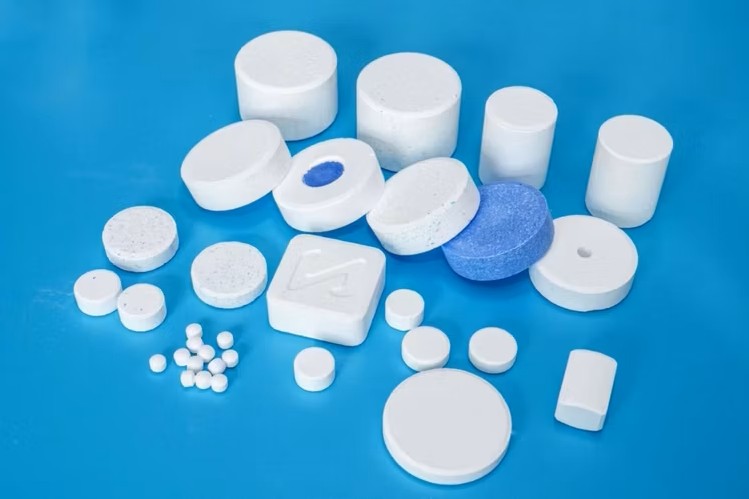
TCCA Exporters for Municipal Plants: Your Trusted Partner in Drinking Water Disinfection
Author: Marcus J. Richardson
Introduction: The Critical Challenge of Municipal Water Safety
Every day, millions of people depend on municipal water treatment facilities to deliver safe, clean drinking water to their homes and businesses. As a water treatment professional with over two decades in the chemical supply industry, I understand the immense responsibility that comes with this task. The choice of disinfection chemicals isn’t just about compliance—it’s about protecting public health.
Trichloroisocyanuric Acid (TCCA) has emerged as one of the most reliable solutions for municipal water disinfection. But finding the right TCCA exporter who understands your specific needs, regulatory requirements, and operational challenges? That’s where the real difficulty begins.
In this comprehensive guide, I’ll walk you through everything you need to know about selecting TCCA suppliers for municipal drinking water plants, from technical specifications to quality assurance protocols.
Understanding TCCA: Why Municipal Plants Choose This Disinfection Solution
The Science Behind Effective Water Disinfection
TCCA (C₃Cl₃N₃O₃, CAS: 87-90-1) is a stable, organic chlorine compound that releases active chlorine gradually when dissolved in water. This controlled release mechanism makes it particularly valuable for municipal applications where consistent disinfection over extended periods is essential.
What sets TCCA apart from other chlorine-based disinfectants?
- High Available Chlorine Content: Premium-grade TCCA contains 90-99% available chlorine, meaning you need less product to achieve the same disinfection效果
- Extended Residual Protection: The slow-release formula maintains disinfectant residuals throughout distribution networks
- Stability During Storage: Unlike liquid chlorine solutions, solid TCCA maintains potency for 24+ months when stored properly
- pH Buffering Properties: TCCA helps maintain optimal water pH levels, reducing the need for additional pH adjustment chemicals
Regulatory Compliance Considerations
Municipal water treatment facilities operate under strict regulatory frameworks. In 2025-2026, global standards for drinking water disinfection have become even more stringent. Your TCCA supplier must provide:
- Complete documentation of product purity and composition
- Third-party laboratory testing certificates
- Material Safety Data Sheets (MSDS) compliant with international standards
- Traceability from production batch to delivery
Key Factors When Selecting TCCA Exporters for Municipal Applications
Quality Assurance: Non-Negotiable Standards
Not all TCCA products are created equal. I’ve seen municipal plants face serious operational issues due to substandard chemicals. Here’s what you should verify:
Purity Specifications
- Minimum 90% available chlorine for municipal drinking water applications
- Heavy metal content below WHO guidelines
- Moisture content under 0.5% to prevent caking and degradation
Manufacturing Certifications
- ISO 9001:2015 quality management certification
- REACH compliance for European markets
- FDA or equivalent food-grade certifications where applicable
Supply Chain Reliability
Municipal water treatment cannot afford interruptions. Your exporter must demonstrate:
- Consistent production capacity matching your annual requirements
- Multiple shipping options (bulk, containerized, specialized packaging)
- Emergency supply protocols for unexpected demand spikes
- Strategic warehouse locations for faster delivery times
Technical Support Capabilities
The best TCCA exporters don’t just ship products—they partner with you. Look for suppliers who offer:
- On-site or remote technical consultation
- Dosage calculation assistance based on your water quality parameters
- Training programs for your operations team
- Regular water quality monitoring recommendations
Common Challenges Municipal Plants Face with TCCA Procurement
Challenge 1: Inconsistent Product Quality
The Problem: Batch-to-batch variations in chlorine content can disrupt treatment processes and compromise water safety.
The Solution: Work with exporters who implement rigorous quality control at every production stage. Request certificate of analysis (CoA) for each batch before shipment.
Challenge 2: Logistics and Storage Complications
The Problem: TCCA requires specific storage conditions—cool, dry, well-ventilated areas away from incompatible materials.
The Solution: Choose exporters who provide detailed handling instructions and offer packaging options suited to your facility’s storage capabilities.
Challenge 3: Regulatory Documentation Gaps
The Problem: Missing or incomplete documentation can delay customs clearance and regulatory approvals.
The Solution: Establish clear documentation requirements in your procurement contracts. Verify that your exporter has experience with your country’s import regulations.
Cost Considerations: Beyond the Price Per Ton
While budget constraints are real, focusing solely on unit price can be costly in the long run. Consider the total cost of ownership:
| Factor | Low-Cost Supplier | Quality-Focused Exporter |
|---|---|---|
| Product Consistency | Variable | Guaranteed specifications |
| Technical Support | Minimal | Comprehensive |
| Delivery Reliability | Unpredictable | Scheduled and tracked |
| Documentation | Often incomplete | Complete and compliant |
| Long-term Partnership | Transactional | Collaborative |
A 10-15% higher unit price from a reliable exporter often translates to 30-40% lower operational costs when you factor in reduced waste, fewer treatment adjustments, and eliminated compliance risks.
Future Trends in Municipal Water Disinfection
The water treatment industry continues to evolve. Here’s what municipal plant managers should watch:
Sustainability Pressures: Expect increasing scrutiny on the environmental footprint of disinfection chemicals. TCCA’s efficiency and reduced transportation requirements (compared to liquid alternatives) position it favorably.
Digital Integration: Smart dosing systems that automatically adjust TCCA application based on real-time water quality data are becoming standard in modern facilities.
Regulatory Evolution: Disinfection byproduct limits continue to tighten. Work with exporters who stay ahead of regulatory changes and can adapt their products accordingly.
Making Your Decision: A Practical Checklist
Before committing to a TCCA exporter, verify these essentials:
✓ Minimum 5 years experience supplying municipal water treatment facilities ✓ Ability to provide references from similar-scale operations ✓ Clear communication channels with dedicated account management ✓ Flexible payment terms suitable for government/municipal procurement ✓ Insurance coverage for product liability and shipping ✓ Emergency response protocol for quality issues
FAQ: Common Questions About TCCA for Municipal Drinking Water Plants
Q1: What is the recommended dosage of TCCA for municipal drinking water disinfection?
A: Dosage varies based on water quality, but typical ranges are 1-5 mg/L of available chlorine. Always conduct jar testing with your specific water source and consult with your supplier’s technical team for precise calculations.
Q2: How long can TCCA be stored before it loses effectiveness?
A: When stored in original, sealed packaging in cool, dry conditions (below 30°C, humidity under 70%), TCCA maintains 95%+ potency for 24 months. Opened containers should be used within 6 months.
Q3: Can TCCA be used in combination with other disinfection methods?
A: Yes, many municipal plants use TCCA as primary disinfection with UV or ozone as secondary barriers. However, chemical compatibility must be verified—never mix TCCA with ammonia-based compounds or strong acids.
Q4: What packaging options are available for municipal-scale purchases?
A: Common options include 25kg bags, 50kg drums, 500kg super sacks, and bulk container shipments. Your exporter should accommodate your facility’s handling equipment and storage configuration.
Q5: How do I verify the quality of TCCA before accepting a shipment?
A: Request pre-shipment samples for independent laboratory testing. Reputable exporters will provide batch-specific Certificates of Analysis and welcome third-party verification.
Q6: What safety precautions should our team follow when handling TCCA?
A: Personnel should wear appropriate PPE (gloves, eye protection, respiratory protection in dusty conditions). Store away from organic materials, reducing agents, and ammonia compounds. Ensure adequate ventilation in storage areas.
Final Thoughts: Partnership Over Transaction
Selecting a TCCA exporter for your municipal drinking water plant isn’t just a procurement decision—it’s a partnership that affects public health outcomes. The right supplier brings more than chemicals; they bring expertise, reliability, and a shared commitment to water safety.
Take time to evaluate potential partners thoroughly. Ask questions, request references, and don’t hesitate to visit manufacturing facilities when possible. Your community’s health depends on the quality of decisions you make today.
Ready to discuss your municipal water disinfection requirements? Reach out to explore how we can support your plant’s specific needs with premium-grade TCCA and comprehensive technical partnership.
Disclaimer: This article provides general information about TCCA for municipal water treatment. Specific applications should be evaluated by qualified water treatment professionals in accordance with local regulations and guidelines.
