
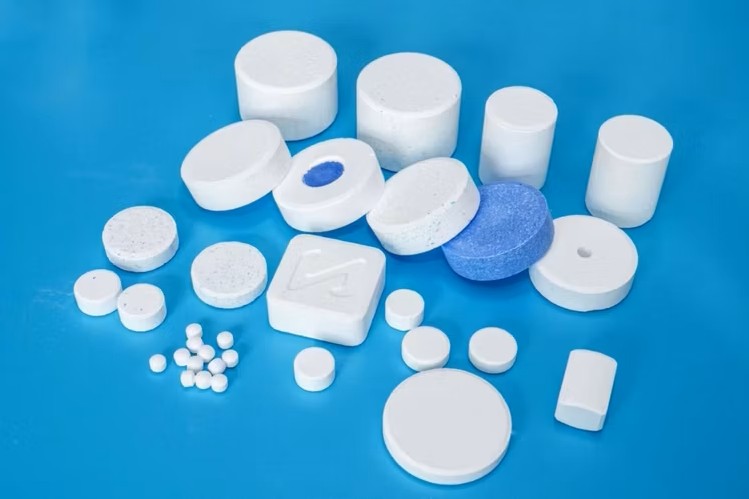
TCCA Exporters for Municipal Plants: Plant Favorites Disinfection Drinking
Introduction: The Critical Need for Effective Water Disinfection
Municipal water treatment plants face an ever-increasing challenge: delivering safe, clean drinking water to growing populations while navigating stringent regulatory standards and evolving contaminants. Among the most effective solutions available, Trichloroisocyanuric Acid (TCCA) has emerged as a plant favorite for municipal disinfection. As a powerful, versatile water treatment chemical, TCCA offers unmatched efficiency in killing pathogens while maintaining water quality. For water treatment facilities seeking reliable, cost-effective disinfection solutions, partnering with reputable TCCA exporters is essential to ensure consistent, high-quality water treatment chemicals that meet municipal standards. This article explores why TCCA has become the go-to disinfection solution for municipal drinking water treatment plants worldwide.
Understanding TCCA: The Chemistry Behind Effective Disinfection
TCCA, or Trichloroisocyanuric Acid, is a stable, chlorine-releasing compound widely used in water treatment applications. Its molecular structure allows for controlled chlorine release, making it highly effective against bacteria, viruses, and other pathogens commonly found in municipal water sources. Unlike liquid chlorine, which requires careful handling and storage, TCCA’s solid form offers significant logistical advantages: it’s easier to transport, store safely, and dose precisely.
When introduced into water, TCCA slowly releases free chlorine, which oxidizes organic matter and destroys microbial cell walls. This process ensures thorough disinfection without leaving harmful residues. The controlled release mechanism also means TCCA maintains residual disinfectant levels longer in distribution systems, preventing recontamination in pipes and storage tanks—critical for municipal water systems serving large populations.
Why TCCA is the Plant Favorite for Municipal Drinking Water Disinfection
Municipal water treatment professionals have embraced TCCA for several compelling reasons:
1. Superior Efficiency and Cost-Effectiveness
TCCA’s high available chlorine content (around 90%) means less material is needed for equivalent disinfection compared to other chlorine-based products. This directly reduces operational costs for municipal plants. Additionally, its stability minimizes product loss during storage and transport, ensuring maximum value from every shipment.
2. Enhanced Safety Profile
Handling TCCA is significantly safer than dealing with gaseous chlorine or liquid hypochlorite. Its solid form eliminates the risks of chlorine gas leaks, which can be hazardous to plant personnel and surrounding communities. The reduced handling requirements also lower the need for specialized equipment and training.
3. Versatility Across Water Sources
TCCA effectively treats a wide range of water sources, from surface water with high organic content to groundwater with varying mineral compositions. It performs well across different pH levels and temperatures, making it suitable for municipal plants in diverse geographic regions.
4. Minimal Impact on Water Taste and Odor
Unlike some disinfection methods that can introduce unwanted tastes or odors, TCCA leaves virtually no residual taste or smell in treated water. This is crucial for municipal water systems where consumer acceptance directly impacts public health compliance.
Real-World Implementation: TCCA in Municipal Water Treatment
Numerous municipal water treatment facilities globally have successfully implemented TCCA-based disinfection systems. In a case study from a major European city, TCCA replaced traditional chlorine gas systems, reducing chemical handling incidents by 85% while maintaining consistent disinfection performance. The plant reported a 20% reduction in operational costs within the first year due to decreased storage and handling requirements.
Similarly, a municipal plant in Southeast Asia successfully used TCCA to address seasonal algal blooms in their reservoir. The controlled chlorine release from TCCA effectively managed the biofouling without disrupting the water supply, demonstrating TCCA’s reliability in challenging conditions.
Environmental Considerations and Sustainable Disinfection
As environmental responsibility becomes increasingly important, TCCA stands out as a sustainable choice. Its precise dosing capabilities minimize chemical waste, and it breaks down into non-toxic compounds after disinfection. Unlike some alternatives, TCCA does not produce significant levels of disinfection byproducts (DBPs) when used correctly, aligning with evolving environmental regulations.
Water treatment plants implementing TCCA often report improved environmental compliance metrics, including reduced DBP levels in finished water. This makes TCCA not just a practical choice, but an environmentally responsible one as well.
Selecting the Right TCCA Exporter for Municipal Water Treatment Needs
Choosing a reliable TCCA exporter is critical for municipal water treatment plants. The quality of the chemical directly impacts treatment efficacy and regulatory compliance. Reputable exporters provide:
- Consistent product quality with strict quality control
- Comprehensive technical support for optimal dosing and application
- Compliance with international standards (ISO, EPA, etc.)
- Reliable global supply chain to ensure uninterrupted service
For municipal plants seeking to implement or optimize TCCA-based disinfection, partnering with an experienced exporter ensures access to high-quality chemicals and expert guidance tailored to specific water treatment challenges.
Conclusion: The Future of Municipal Water Disinfection
As municipal water treatment demands continue to evolve, TCCA remains at the forefront of effective, efficient, and safe drinking water disinfection. Its proven track record, cost benefits, and environmental advantages make it the preferred choice for water treatment professionals worldwide. For municipal plants looking to enhance their disinfection processes, TCCA represents not just a chemical solution, but a strategic investment in public health and operational excellence.
Frequently Asked Questions (FAQ)
Q1: How does TCCA compare to chlorine gas in terms of safety for municipal water plants?
A: TCCA eliminates the significant safety risks associated with chlorine gas, including potential leaks and exposure hazards. As a solid chemical, it requires no specialized gas handling equipment, reducing both operational risks and training requirements for plant staff.
Q2: Can TCCA be used for all types of municipal water sources?
A: Yes, TCCA is effective across a wide range of water sources including surface water, groundwater, and recycled water. Its performance remains consistent across varying water qualities, pH levels, and temperatures commonly encountered in municipal treatment.
Q3: What are the typical dosage levels for TCCA in municipal drinking water treatment?
A: Dosage varies based on water quality and treatment objectives, but typically ranges from 0.5 to 2.0 mg/L for primary disinfection. Municipal plants often use automated dosing systems to maintain optimal levels, ensuring effective pathogen control without over-chlorination.
Q4: Does TCCA affect the taste or odor of drinking water?
A: When properly dosed, TCCA leaves virtually no residual taste or odor in treated water. Its controlled release mechanism prevents the formation of compounds that could impact water quality, making it ideal for municipal drinking water applications.
Q5: How long does TCCA remain effective in water distribution systems?
A: TCCA provides a longer-lasting residual disinfectant effect compared to many other chlorine-based treatments. This extended residual protection helps prevent recontamination in distribution pipes, ensuring water quality from treatment plant to consumer tap.
Q6: What certifications should I look for in a TCCA exporter for municipal water treatment?
A: Seek exporters with ISO 9001 quality management certification, compliance with EPA and WHO standards for water treatment chemicals, and third-party testing reports confirming chlorine content and purity. Reputable exporters also provide detailed technical data sheets and application guidance.
Explore our comprehensive range of water treatment chemicals to discover how our TCCA solutions can enhance your municipal water disinfection processes. Our team of water treatment specialists is ready to provide tailored recommendations and technical support for your specific municipal water treatment challenges.
