
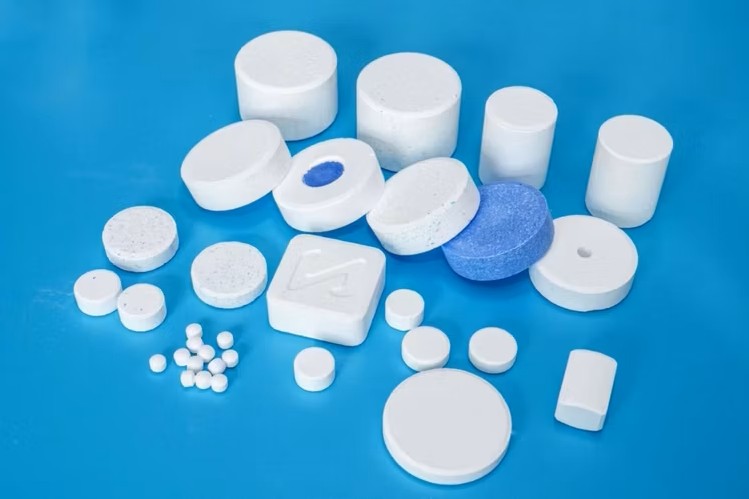
TCCA Exporters for Pool Operators: Tablets Cost – Your Complete 2026 Buying Guide
Author: Marcus Richardson
Introduction: Why Pool Operators Are Rethinking Their Chemical Supply Chain
If you manage commercial pools, aquatic centers, or operate a pool maintenance business, you already know the headache of balancing water quality with operational costs. Trichloroisocyanuric Acid (TCCA) tablets remain the gold standard for pool sanitization worldwide, but finding reliable exporters at competitive prices has become increasingly challenging in 2026.
I’ve spent over fifteen years in the water treatment chemical industry, working directly with pool operators across North America, Europe, and Southeast Asia. What I’ve observed is this: the difference between profit and loss often comes down to your chemical procurement strategy. In this comprehensive guide, I’ll break down everything you need to know about TCCA tablet costs, exporter selection, and how to secure bulk pricing that actually moves your bottom line.
Understanding TCCA Tablets: The Foundation of Pool Sanitization
What Makes TCCA the Preferred Choice?
TCCA tablets contain approximately 90% available chlorine, making them one of the most concentrated sanitizers available for swimming pool applications. Unlike liquid chlorine or calcium hypochlorite, TCCA dissolves slowly, providing sustained disinfection over several days. This controlled release mechanism means fewer chemical applications, reduced labor costs, and more stable chlorine levels throughout your pool system.
The chemical formula C₃Cl₃N₃O₃ (CAS Number: 87-90-1) represents a stable organic compound that maintains effectiveness even in warm water conditions. For pool operators managing multiple facilities or high-traffic aquatic centers, this stability translates directly into operational efficiency.
Tablet Sizes and Applications
TCCA tablets come in various sizes to accommodate different pool volumes and feeder systems:
- 3.3g tablets: Ideal for residential pools and small spas
- 20g tablets: Perfect for medium commercial pools and hotel facilities
- 200g tablets: Standard for large commercial installations and public pools
- 500g tablets: Designed for industrial-scale water treatment and municipal applications
Choosing the right tablet size isn’t just about convenience—it affects dissolution rates, chlorine distribution, and ultimately, your chemical consumption costs.
TCCA Tablet Cost Breakdown: What Pool Operators Actually Pay in 2026
Global Price Trends
Based on current market data from major exporting regions, TCCA tablet prices have stabilized after the volatility experienced in 2024-2025. Here’s what you should expect when sourcing from established exporters:
| Tablet Size | Price Range (USD per kg) | Minimum Order Quantity |
|---|---|---|
| 3.3g | $2.80 – $3.50 | 500 kg |
| 20g | $2.60 – $3.20 | 1,000 kg |
| 200g | $2.40 – $3.00 | 5,000 kg |
| 500g | $2.20 – $2.80 | 10,000 kg |
These prices reflect FOB (Free on Board) terms from major manufacturing hubs. Keep in mind that final landed costs will include shipping, insurance, customs duties, and local distribution fees.
Factors Influencing Your Final Cost
Several variables impact what you’ll actually pay:
1. Order Volume: Bulk purchases consistently deliver better per-unit pricing. A 20-foot container load typically offers 15-25% savings compared to LCL (Less than Container Load) shipments.
2. Packaging Requirements: Standard 25kg drums or bags cost less than customized packaging. If you need branded containers or special labeling, expect to pay a premium.
3. Chlorine Content Specification: While 90% available chlorine is standard, some exporters offer 85% or 92% variants. Higher purity commands higher prices but may reduce overall consumption.
4. Certification Requirements: Products meeting NSF, REACH, or other regulatory standards often carry additional testing and documentation costs.
5. Payment Terms: Letters of credit and advance payments typically secure better pricing than open account terms.
Selecting the Right TCCA Exporter: Critical Considerations
Manufacturing Capacity and Consistency
Not all exporters manufacture their own products. Some operate as trading companies, sourcing from multiple factories. For long-term supply security, I recommend working directly with manufacturers who control their production processes. Ask for:
- Monthly production capacity figures
- Quality control certifications (ISO 9001 minimum)
- Batch testing reports
- References from existing international clients
Shipping and Logistics Capabilities
TCCA is classified as a hazardous material (Class 5.1 Oxidizing Substance). Your exporter must have proper documentation, packaging, and shipping arrangements for dangerous goods. Inexperienced exporters can cause significant delays at customs, leaving your pools without critical sanitization chemicals.
Verify that your potential supplier:
- Holds valid dangerous goods shipping certifications
- Works with established freight forwarders experienced in chemical transport
- Provides complete MSDS (Material Safety Data Sheets) in your required languages
- Can accommodate your delivery timeline consistently
Quality Assurance Protocols
Request recent laboratory analysis certificates showing:
- Available chlorine content (should be ≥90%)
- Moisture content (should be ≤0.5%)
- pH levels of 1% solution (typically 2.6-3.2)
- Particle size distribution for tablets
Reputable exporters will provide these documents without hesitation. If they hesitate or provide outdated certificates, consider it a red flag.
Hidden Costs Pool Operators Often Overlook
Storage and Handling Requirements
TCCA tablets require proper storage conditions to maintain stability. Improper storage leads to product degradation, reducing effective chlorine content and wasting your investment. Ensure your facilities meet these requirements:
- Cool, dry environment (temperature below 35°C)
- Protection from direct sunlight
- Separation from incompatible materials (ammonia, acids, organic compounds)
- Proper ventilation to prevent chlorine gas accumulation
Regulatory Compliance Expenses
Different markets have varying regulatory requirements for pool chemicals. European buyers need REACH compliance documentation. North American purchasers may require EPA registration numbers. Asian markets often have their own certification systems. Factor these compliance costs into your total procurement budget.
Currency Fluctuation Risks
International chemical purchases typically involve currency exchange. If you’re buying in USD while operating in another currency, exchange rate movements can significantly impact your actual costs. Consider hedging strategies or negotiating pricing in your local currency when possible.
Negotiating Better Terms with TCCA Exporters
Leverage Your Purchase History
If you’re an established pool operator with consistent chemical needs, use this as negotiating leverage. Exporters value predictable, recurring business. Propose annual supply agreements with quarterly deliveries in exchange for locked-in pricing.
Request Sample Testing Before Commitment
Never commit to large orders without testing samples first. Reputable exporters will provide 5-10 kg samples for evaluation. Test these samples in your actual pool conditions to verify dissolution rates, chlorine stability, and overall performance.
Build Relationships, Not Just Transactions
The chemical supply industry runs on relationships. Attend industry trade shows, maintain regular communication with your exporter contacts, and provide feedback on product performance. Suppliers who understand your business are more likely to offer favorable terms during market fluctuations.
FAQ: Common Questions from Pool Operators
Q: How long do TCCA tablets typically last in commercial pool systems?
A: Dissolution rates vary based on water temperature, flow rates, and tablet size. In typical commercial pool conditions (26-28°C), 200g tablets last 5-7 days in standard chlorinators. Higher temperatures accelerate dissolution, requiring more frequent replacement.
Q: Can I mix TCCA tablets from different exporters?
A: While technically possible, I don’t recommend it. Different manufacturers may use varying binding agents and compression methods, leading to inconsistent dissolution rates. Stick with one supplier for predictable results.
Q: What’s the shelf life of TCCA tablets?
A: Properly stored TCCA tablets maintain effectiveness for 24-36 months from manufacture date. However, I recommend using inventory within 18 months to ensure optimal chlorine content. Always check manufacture dates before accepting shipments.
Q: Are there seasonal price fluctuations for TCCA?
A: Yes. Prices typically rise 10-15% during peak swimming seasons (May-August in Northern Hemisphere). Plan your annual purchases during off-peak periods (October-February) for better pricing.
Q: What documentation do I need for customs clearance?
A: Standard requirements include Commercial Invoice, Packing List, Bill of Lading, MSDS, Certificate of Analysis, and Dangerous Goods Declaration. Your exporter should provide all documents, but verify requirements with your local customs broker.
Q: How do I verify an exporter’s legitimacy?
A: Request business licenses, export certifications, and client references. Check company registration through official government databases. Consider third-party inspection services for large orders. Legitimate exporters welcome verification.
Final Thoughts: Making Informed Procurement Decisions
The pool maintenance industry operates on thin margins. Every dollar saved on chemical procurement flows directly to your bottom line. But the cheapest option isn’t always the best value when you factor in quality inconsistencies, shipping delays, and product failures.
My advice after years in this industry: invest time in supplier qualification. Visit manufacturing facilities when possible. Build relationships with multiple exporters to maintain supply flexibility. And never compromise on quality documentation—your pool patrons’ safety depends on it.
TCCA tablets remain the most cost-effective sanitization solution for commercial pool operations. With the right exporter partnership and informed purchasing strategy, you can secure reliable supply at competitive prices throughout 2026 and beyond.
Ready to discuss your TCCA tablet requirements? Reach out to established chemical exporters who understand pool operator needs and can provide transparent pricing, reliable delivery, and comprehensive technical support.
