
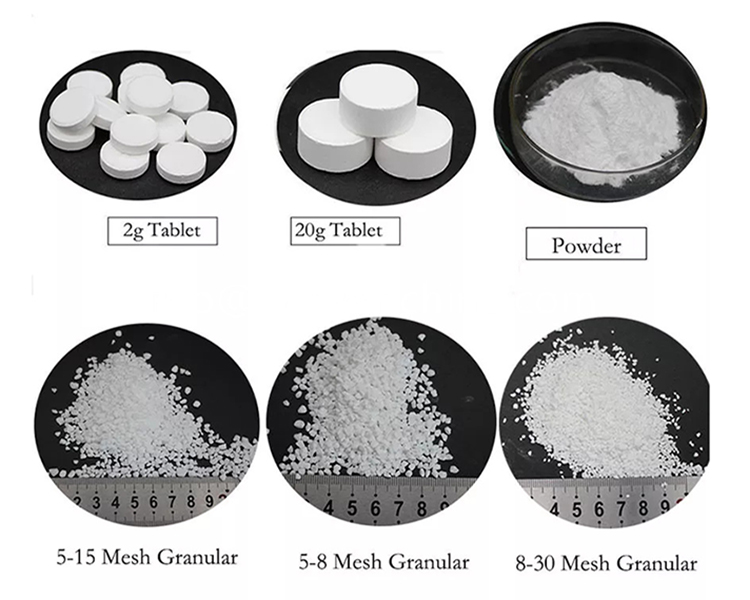
TCCA Exporters for Swimming Pools: Bulk Tablets
Introduction
The global swimming pool sanitation industry continues to experience substantial growth, with facility operators increasingly demanding reliable, cost-effective, and technically superior disinfection solutions. Among the various chlorine-based sanitizers available in the market, Trichloroisocyanuric Acid (TCCA) bulk tablets have emerged as the preferred choice for commercial pool operators, water treatment facilities, and distribution partners worldwide. This comprehensive technical guide examines the critical specifications, performance characteristics, and industry compliance standards that define premium TCCA tablet exports for swimming pool applications.
For B2B buyers evaluating potential suppliers, understanding the technical differentiation between standard and premium-grade TCCA products is essential for making informed procurement decisions that impact operational efficiency, regulatory compliance, and end-user safety.
1. Understanding TCCA: Chemical Composition and Mechanism
1.1 Molecular Structure and Properties
Trichloroisocyanuric Acid, chemically designated as C₃Cl₃N₃O₃, represents an organic chlorine compound with a symmetric triazine ring structure. The compound’s CAS Registry Number is 87-90-1, with a molecular weight of 232.41 g/mol. This unique molecular architecture enables controlled chlorine release, distinguishing TCCA from inorganic chlorine alternatives such as calcium hypochlorite or sodium hypochlorite.
Key Physical-Chemical Properties:
| Parameter | Specification |
|---|---|
| Appearance | White crystalline powder/granules/tablets |
| Available Chlorine Content | ≥90% (premium grade) |
| Moisture Content | ≤0.5% |
| pH (1% Solution) | 2.6-3.2 |
| Solubility in Water | 1.2 g/L at 25°C |
| Melting Point | 246-251°C (with decomposition) |
| Bulk Density (Granular) | 0.55-0.70 g/cm³ |
| Bulk Density (Powder) | 0.92-0.98 g/cm³ |
1.2 Disinfection Mechanism
TCCA functions through hydrolysis in water, gradually releasing hypochlorous acid (HClO), the primary active sanitizing agent. The chemical reaction proceeds as follows:
C₃Cl₃N₃O₃ + 3H₂O → C₃H₃N₃O₃ + 3HClO
This controlled release mechanism provides several operational advantages:
- Extended residual chlorine maintenance reducing application frequency
- Stabilized chlorine levels minimizing concentration fluctuations
- Reduced chloramine formation when properly dosed
- Lower corrosion potential compared to liquid chlorine systems
2. Technical Specifications for Bulk TCCA Tablets
2.1 Grade Classification
Premium export-grade TCCA tablets are categorized based on available chlorine content and physical specifications:
Grade A (Premium Export Quality):
- Available Chlorine: ≥90%
- Moisture: ≤0.5%
- Tablet Weight Uniformity: ±2%
- Dissolution Rate: 95% within 7 days (standard pool conditions)
Grade B (Standard Commercial):
- Available Chlorine: ≥85%
- Moisture: ≤1.0%
- Tablet Weight Uniformity: ±3%
- Dissolution Rate: 90% within 7 days
2.2 Tablet Dimensions and Packaging
Bulk TCCA tablets are manufactured in multiple standardized sizes to accommodate various pool volumes and dispensing systems:
| Tablet Size | Weight | Diameter | Thickness | Application |
|---|---|---|---|---|
| Small | 20g | 25mm | 8mm | Residential pools, spas |
| Medium | 200g | 50mm | 15mm | Commercial pools, medium facilities |
| Large | 2.5kg | 100mm | 40mm | Industrial pools, water treatment plants |
Standard Export Packaging Options:
- 25kg plastic drums with inner PE bags
- 50kg fiber drums with moisture barrier
- 1000kg bulk bags (FIBC) for large-scale operations
- Custom private labeling available for distributors
2.3 Stability and Shelf Life
Under proper storage conditions (cool, dry, ventilated environment away from direct sunlight), premium TCCA tablets maintain specification integrity for:
- Minimum 24 months from manufacturing date
- Chlorine retention: ≥95% of labeled content after 12 months
- Physical integrity: No caking or degradation when stored below 50°C
3. Performance Data and Operational Efficiency
3.1 Chlorine Release Kinetics
Independent laboratory testing demonstrates the controlled release profile of 200g TCCA tablets under standard pool conditions (pH 7.4, temperature 26°C):
| Time Interval | Cumulative Chlorine Release |
|---|---|
| 24 hours | 15-20% |
| 72 hours | 45-50% |
| 7 days | 90-95% |
| 10 days | 98-100% |
This predictable release pattern enables precise dosing calculations and reduces the risk of over-chlorination events.
3.2 Microbial Efficacy
TCCA demonstrates broad-spectrum antimicrobial activity against common pool contaminants:
| Microorganism | Log Reduction | Contact Time |
|---|---|---|
| E. coli | >5 log | 30 seconds |
| Pseudomonas aeruginosa | >4 log | 1 minute |
| Staphylococcus aureus | >5 log | 30 seconds |
| Adenovirus | >3 log | 10 minutes |
| Giardia cysts | >2 log | 30 minutes |
Testing conducted at 2.0 mg/L free chlorine residual, pH 7.2-7.6, 25°C
3.3 Cost-Effectiveness Analysis
When compared to alternative chlorine sources, TCCA tablets offer superior operational economics:
| Chlorine Source | Cost per kg Available Chlorine | Application Frequency | Labor Requirement |
|---|---|---|---|
| TCCA Tablets (90%) | Baseline (1.0x) | Weekly | Low |
| Calcium Hypochlorite (65%) | 1.3x | Daily | Medium |
| Liquid Sodium Hypochlorite (12%) | 1.8x | Daily | High |
| Salt Chlorination Systems | 2.5x (initial + maintenance) | Continuous | Medium |
4. Industry Standards and Regulatory Compliance
4.1 International Quality Standards
Premium TCCA exporters must comply with multiple international standards:
ISO 9001:2015 – Quality Management Systems certification for manufacturing facilities
REACH Compliance (EU Regulation 1907/2006) – Registration, Evaluation, Authorization and Restriction of Chemicals
EPA Registration (USA) – Environmental Protection Agency approval for pool sanitizer applications
NSF/ANSI Standard 60 – Drinking Water Treatment Chemicals – Health Effects (for applicable applications)
4.2 Pool Water Quality Standards
TCCA application must align with established pool water quality guidelines:
| Parameter | WHO Guidelines | CDC Recommendations | EU Standards |
|---|---|---|---|
| Free Chlorine | 1.0-3.0 mg/L | 1.0-3.0 mg/L | 0.3-0.6 mg/L |
| Combined Chlorine | <0.5 mg/L | <0.5 mg/L | <0.5 mg/L |
| pH Range | 7.2-7.8 | 7.2-7.8 | 6.5-7.6 |
| Cyanuric Acid | ≤100 mg/L | ≤90 mg/L | ≤75 mg/L |
4.3 Transportation and Safety Classification
TCCA tablets are classified for international shipping as:
- UN Number: 2468
- Hazard Class: 5.1 (Oxidizing Substance)
- Packing Group: III
- IMDG Code: Compliant for sea freight
- IATA Regulations: Compliant for air freight (with restrictions)
5. Quality Assurance and Testing Protocols
5.1 Manufacturing Quality Control
Reputable TCCA exporters implement comprehensive quality assurance protocols:
Raw Material Verification:
- Cyanuric acid purity ≥99%
- Chlorine gas specification compliance
- Heavy metal content below detection limits
In-Process Testing:
- Chlorine content verification every 2 hours
- Moisture analysis per batch
- Tablet hardness and dissolution rate testing
Final Product Certification:
- Certificate of Analysis (CoA) for each shipment
- Third-party laboratory verification available
- Batch traceability systems
5.2 Common Quality Indicators
B2B buyers should request the following documentation:
- Certificate of Analysis showing actual test results
- Safety Data Sheet (SDS) compliant with GHS standards
- Manufacturing date and batch number for traceability
- Shelf life confirmation from production date
- Independent laboratory test reports (optional but recommended)
6. Application Guidelines for Optimal Performance
6.1 Dosage Calculations
Proper TCCA tablet dosing depends on pool volume and bather load:
Standard Maintenance Dosing:
- Residential pools: 1 tablet (200g) per 50,000 liters weekly
- Commercial pools: 1 tablet (200g) per 30,000 liters weekly
- High bather load: Increase by 25-50%
Shock Treatment:
- 2-3 tablets per 10,000 liters for algae prevention
- Apply during evening hours for maximum efficacy
6.2 Dispensing Systems
TCCA tablets are compatible with multiple dispensing methods:
- Floating dispensers – Suitable for residential and small commercial pools
- In-line chlorinators – Recommended for commercial facilities
- Skimmer basket placement – Acceptable for temporary applications
- Automatic feeders – Optimal for large-scale operations
6.3 Safety Precautions
Handling Requirements:
- Use personal protective equipment (gloves, eye protection)
- Avoid direct contact with skin or eyes
- Do not mix with other chemicals (especially acids or ammonia)
- Store in original packaging away from combustible materials
Emergency Procedures:
- Eye contact: Rinse immediately with water for 15 minutes
- Skin contact: Wash with soap and water
- Ingestion: Seek medical attention immediately
- Spill containment: Sweep up and place in sealed container
7. Market Trends and Export Considerations
7.1 Global Demand Patterns
The international TCCA market demonstrates consistent growth driven by:
- Expanding pool construction in emerging economies
- Increased health awareness post-pandemic
- Regulatory tightening on water quality standards
- Cost optimization pressures on facility operators
7.2 Regional Compliance Variations
Exporters must navigate varying regional requirements:
| Region | Key Requirements | Documentation |
|---|---|---|
| European Union | REACH, Biocidal Products Regulation | Registration number, SDS |
| North America | EPA registration, state-level approvals | EPA establishment number |
| Middle East | GSO standards, halal certification (optional) | Conformity certificates |
| Asia-Pacific | Varies by country, often ISO-based | Local authority approval |
| Latin America | ANVISA (Brazil), COFEPRIS (Mexico) | Health authority registration |
7.3 Supply Chain Reliability Factors
B2B buyers should evaluate exporters based on:
- Production capacity and ability to scale
- Lead time consistency (typically 15-30 days)
- Port proximity for efficient logistics
- Quality consistency across multiple batches
- Technical support availability
8. Environmental and Sustainability Considerations
8.1 Environmental Impact Profile
TCCA presents a favorable environmental profile compared to alternatives:
- Lower transportation weight per unit of available chlorine
- Reduced packaging waste versus liquid chlorine
- Minimal volatile organic compound (VOC) emissions
- Biodegradable cyanuric acid byproduct
8.2 Cyanuric Acid Accumulation Management
Extended TCCA use leads to cyanuric acid buildup, requiring management:
- Monitor levels quarterly – maintain below 90 mg/L
- Partial water replacement when levels exceed thresholds
- Alternative chlorine sources for periodic rotation
- Dilution strategies for high-volume facilities
Frequently Asked Questions (FAQ)
Q1: What is the typical shelf life of bulk TCCA tablets?
A: Premium-grade TCCA tablets maintain specification integrity for a minimum of 24 months when stored in original packaging under recommended conditions (cool, dry, ventilated area below 50°C). Chlorine retention typically exceeds 95% after 12 months of proper storage.
Q2: How do I calculate the correct dosage for my pool facility?
A: Standard maintenance dosing recommends 1 tablet (200g) per 30,000-50,000 liters weekly, depending on bather load and environmental conditions. Commercial facilities should conduct weekly water testing and adjust dosing based on free chlorine residual targets (1.0-3.0 mg/L).
Q3: What certifications should I request from TCCA exporters?
A: Request the following documentation: Certificate of Analysis (CoA) with actual test results, Safety Data Sheet (SDS) compliant with GHS standards, ISO 9001 certification for the manufacturing facility, and relevant regional regulatory approvals (EPA, REACH, etc.).
Q4: Can TCCA tablets be used in saltwater pools?
A: TCCA tablets are primarily designed for freshwater pool applications. Saltwater pools typically utilize electrolytic chlorine generation systems. However, TCCA can serve as supplemental shock treatment when needed, though this may increase cyanuric acid levels.
Q5: What is the minimum order quantity for bulk TCCA tablet exports?
A: Minimum order quantities vary by exporter, typically ranging from 1-10 metric tons for standard shipments. Larger volumes (20+ tons) often qualify for preferential pricing and customized packaging options.
Q6: How should TCCA tablets be stored to maintain quality?
A: Store in original sealed containers in a cool, dry, well-ventilated area away from direct sunlight, heat sources, and incompatible materials (acids, ammonia, combustible substances). Maintain temperature below 50°C and relative humidity below 70%.
Q7: What transportation classifications apply to TCCA tablet shipments?
A: TCCA tablets are classified as UN 2468, Hazard Class 5.1 (Oxidizing Substance), Packing Group III. Shipments must comply with IMDG Code for sea freight and IATA regulations for air freight (with quantity restrictions).
Q8: How does TCCA compare to calcium hypochlorite in terms of cost-effectiveness?
A: TCCA tablets typically offer 20-30% better cost-effectiveness when calculated per unit of available chlorine, considering reduced application frequency, lower labor requirements, and extended residual maintenance capabilities.
Conclusion
Selecting the right TCCA exporter for swimming pool bulk tablets requires careful evaluation of technical specifications, quality assurance protocols, regulatory compliance, and supply chain reliability. Premium-grade TCCA tablets with ≥90% available chlorine content, proper certification documentation, and consistent manufacturing quality provide optimal value for commercial pool operators and distribution partners.
For detailed product specifications, customized quotation, or technical consultation regarding TCCA bulk tablet procurement, professional exporters stand ready to support your operational requirements with reliable supply chains and comprehensive technical documentation.
This technical guide is intended for B2B procurement professionals and facility operators evaluating TCCA tablet suppliers. All specifications and performance data are based on industry-standard testing protocols and may vary by manufacturer. Always request current Certificates of Analysis for specific batches prior to purchase.
