
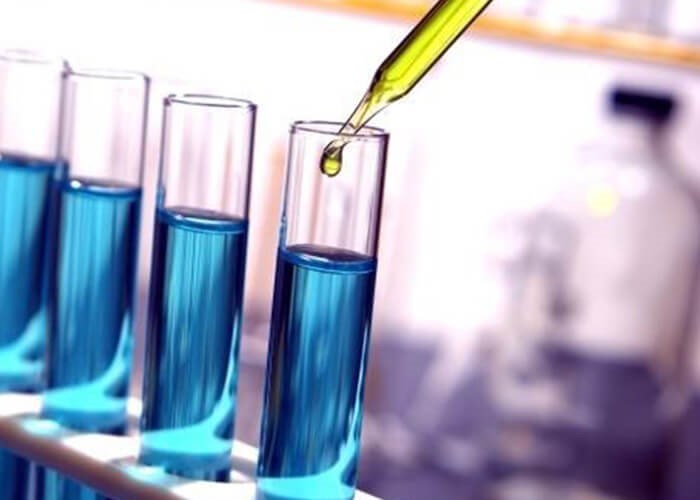
TCCA for Labs: Disinfection Research
Introduction
In the rapidly evolving landscape of laboratory safety and hygiene, effective disinfection protocols stand as the cornerstone of operational excellence. Trichloroisocyanuric acid, commonly known as TCCA, has emerged as a premier solution for laboratory disinfection research. This powerful oxidizing agent delivers exceptional antimicrobial performance while maintaining stability and cost-effectiveness for B2B applications.
Laboratories across pharmaceutical, biotechnology, and research institutions demand disinfection solutions that meet rigorous standards. TCCA offers a compelling answer to these challenges, providing broad-spectrum efficacy against bacteria, viruses, fungi, and spores. This comprehensive guide explores why TCCA represents the optimal choice for laboratory disinfection research and procurement decisions.
Understanding TCCA: Chemical Properties and Advantages
Molecular Structure and Composition
TCCA, with the chemical formula C₃Cl₃N₃O₃ and CAS number 87-90-1, is a white crystalline powder characterized by its high available chlorine content, typically ranging from 85% to 90%. This organic chlorinating agent belongs to the isocyanurate family, distinguished by its triazine ring structure that enables controlled chlorine release.
The molecular weight of 232.41 g/mol contributes to its stability during storage and transportation. Unlike sodium hypochlorite solutions, TCCA maintains its potency over extended periods when stored under proper conditions, making it ideal for laboratory inventory management.
Key Performance Characteristics
Stability and Shelf Life: TCCA demonstrates superior stability compared to liquid chlorine alternatives. When stored in cool, dry environments away from direct sunlight, TCCA retains its effectiveness for up to 24 months, reducing waste and procurement frequency for laboratory operations.
Controlled Chlorine Release: The slow-release mechanism of TCCA ensures sustained disinfection activity without sudden concentration spikes. This characteristic proves particularly valuable in laboratory settings where consistent disinfection levels are critical for experimental integrity.
Water Solubility Profile: With a solubility of approximately 1.2g per 100g water at 25°C, TCCA dissolves readily to form effective disinfection solutions. The resulting aqueous solution maintains a pH range of 2.6 to 3.2, suitable for most laboratory surface disinfection applications.
Laboratory Applications of TCCA in Disinfection Research
Surface Decontamination Protocols
Laboratory workspaces require thorough decontamination between experimental procedures. TCCA-based disinfectants effectively eliminate microbial contaminants from benches, equipment surfaces, and safety cabinets. Research indicates that TCCA solutions at concentrations of 500-1000 ppm available chlorine achieve 99.9% reduction of common laboratory pathogens within 10 minutes of contact time.
Equipment Sterilization Procedures
Glassware, instruments, and reusable laboratory equipment demand rigorous sterilization protocols. TCCA provides an economical alternative to autoclaving for heat-sensitive materials. Immersion in TCCA solutions effectively destroys biofilms and resistant microorganisms that may compromise experimental results.
Waste Treatment and Decontamination
Biological waste generated in laboratory settings requires proper treatment before disposal. TCCA serves as an effective chemical treatment agent for liquid biological waste, neutralizing pathogens and reducing environmental impact. This application aligns with increasingly stringent regulatory requirements for laboratory waste management.
Air and Ventilation System Sanitization
HVAC systems in laboratory facilities can harbor microbial contaminants that compromise air quality. TCCA-based fogging solutions enable comprehensive sanitization of ventilation ducts and air handling units, ensuring clean air circulation throughout laboratory spaces.
Comparative Analysis: TCCA vs Alternative Disinfectants
TCCA Against Sodium Hypochlorite
While sodium hypochlorite remains widely used, TCCA offers distinct advantages for laboratory applications:
- Higher Available Chlorine Content: TCCA contains 85-90% available chlorine compared to 5-15% in commercial bleach solutions
- Extended Stability: Solid TCCA maintains potency longer than liquid hypochlorite solutions
- Reduced Corrosion: TCCA demonstrates lower corrosivity toward stainless steel laboratory equipment
- Cost Efficiency: Lower transportation and storage costs due to concentrated solid form
TCCA Against Quaternary Ammonium Compounds
Quaternary ammonium compounds (quats) present limitations in laboratory settings:
- Broader Spectrum Activity: TCCA effectively eliminates spores and non-enveloped viruses that quats may not address
- No Residue Buildup: TCCA breaks down into harmless byproducts, preventing surface residue accumulation
- Compatibility: TCCA shows better compatibility with various laboratory materials and surfaces
Safety Considerations and Handling Guidelines
Personal Protective Equipment Requirements
Laboratory personnel handling TCCA must utilize appropriate PPE, including chemical-resistant gloves, safety goggles, and protective clothing. Proper ventilation ensures minimal exposure to chlorine vapors during solution preparation.
Storage and Transportation Protocols
TCCA should be stored in original containers with tight seals, away from incompatible materials including acids, ammonia, and reducing agents. Temperature-controlled storage areas between 15-25°C optimize product stability. Transportation must comply with hazardous materials regulations for oxidizing substances.
Emergency Response Procedures
Laboratory safety protocols should include specific procedures for TCCA exposure incidents. Eye contact requires immediate flushing with water for 15 minutes. Skin exposure necessitates thorough washing with soap and water. Inhalation incidents require fresh air and medical attention if symptoms persist.
Quality Standards and Certification Requirements
Industry Compliance Framework
Laboratory-grade TCCA must meet specific quality standards including ISO 9001 manufacturing certification and relevant pharmacopoeia specifications. Suppliers should provide comprehensive Certificates of Analysis documenting available chlorine content, heavy metal limits, and microbial testing results.
Testing and Validation Protocols
Regular quality testing ensures TCCA products maintain specified performance characteristics. Key testing parameters include available chlorine determination, pH measurement, dissolution rate assessment, and stability testing under various storage conditions.
Procurement Considerations for B2B Buyers
Supplier Evaluation Criteria
When selecting TCCA suppliers for laboratory applications, consider manufacturing capacity, quality control systems, technical support availability, and regulatory compliance documentation. Established suppliers with proven track records in laboratory chemical supply offer greater reliability.
Packaging and Delivery Options
TCCA is available in various packaging configurations suitable for laboratory needs, including 25kg drums, 50kg containers, and customized bulk packaging. Delivery schedules should align with laboratory consumption rates to maintain optimal inventory levels without excessive storage requirements.
Technical Support and Documentation
Reputable suppliers provide comprehensive technical documentation including Safety Data Sheets, application guidelines, and troubleshooting support. This support proves invaluable for laboratory teams implementing new disinfection protocols.
Conclusion
TCCA represents a superior disinfection solution for laboratory research applications, combining exceptional antimicrobial efficacy with practical handling characteristics. Its stability, cost-effectiveness, and broad-spectrum activity make it an ideal choice for B2B laboratory procurement decisions.
Organizations seeking to optimize their disinfection protocols should consider TCCA as a core component of their laboratory safety infrastructure. The investment in high-quality TCCA products delivers measurable returns through improved safety outcomes, reduced contamination incidents, and streamlined operational efficiency.
Frequently Asked Questions
Q1: What concentration of TCCA solution is recommended for general laboratory surface disinfection?
A: For routine laboratory surface disinfection, solutions containing 500-1000 ppm available chlorine are typically effective. Higher concentrations may be required for specific pathogen decontamination protocols.
Q2: How long does TCCA remain effective after solution preparation?
A: Prepared TCCA solutions maintain effectiveness for approximately 24-48 hours when stored in closed containers away from direct sunlight. Fresh preparation is recommended for critical applications.
Q3: Is TCCA compatible with all laboratory surface materials?
A: TCCA is generally compatible with stainless steel, glass, and most plastics. However, testing on specific materials is recommended before widespread application, particularly for sensitive equipment surfaces.
Q4: What certifications should laboratory-grade TCCA suppliers possess?
A: Look for suppliers with ISO 9001 certification, relevant chemical manufacturing licenses, and ability to provide comprehensive Certificates of Analysis for each batch.
Q5: Can TCCA be used for sterilizing laboratory water systems?
A: Yes, TCCA is effective for treating laboratory water systems, though concentration levels must be carefully controlled to prevent equipment damage and ensure water quality standards are maintained.
Q6: What is the typical shelf life of unopened TCCA products?
A: Properly stored unopened TCCA products maintain specified quality for 24 months from manufacture date. Storage in cool, dry conditions extends product stability.
For more information about TCCA products and laboratory disinfection solutions, visit our contact page to connect with our technical team. https://envochemical.com/contact-us/
