
TCCA for Water Parks: Fun Supplies – The Ultimate Guide to Safe & Crystal-Clear Water
Author: Dr. Marcus Richardson
Introduction: Where Fun Meets Safety
Picture this: a blazing summer day, families flooding into your water park, children screaming with delight as they slide down colorful waterslides. Now imagine the nightmare scenario – contaminated water, health inspections failing, guests getting sick. The difference between these two outcomes often comes down to one critical decision: your water disinfection strategy.
After spending over fifteen years in the water treatment chemical industry, I’ve witnessed countless water park operators struggle with balancing guest safety, regulatory compliance, and operational costs. Today, I want to share why TCCA (Trichloroisocyanuric Acid) has become my go-to recommendation for commercial water park facilities worldwide.
This isn’t just another chemical specification sheet. This is practical wisdom gathered from real-world installations, regulatory audits, and yes, a few hard-learned lessons along the way.
Understanding TCCA: The Science Behind the Solution
What Exactly Is TCCA?
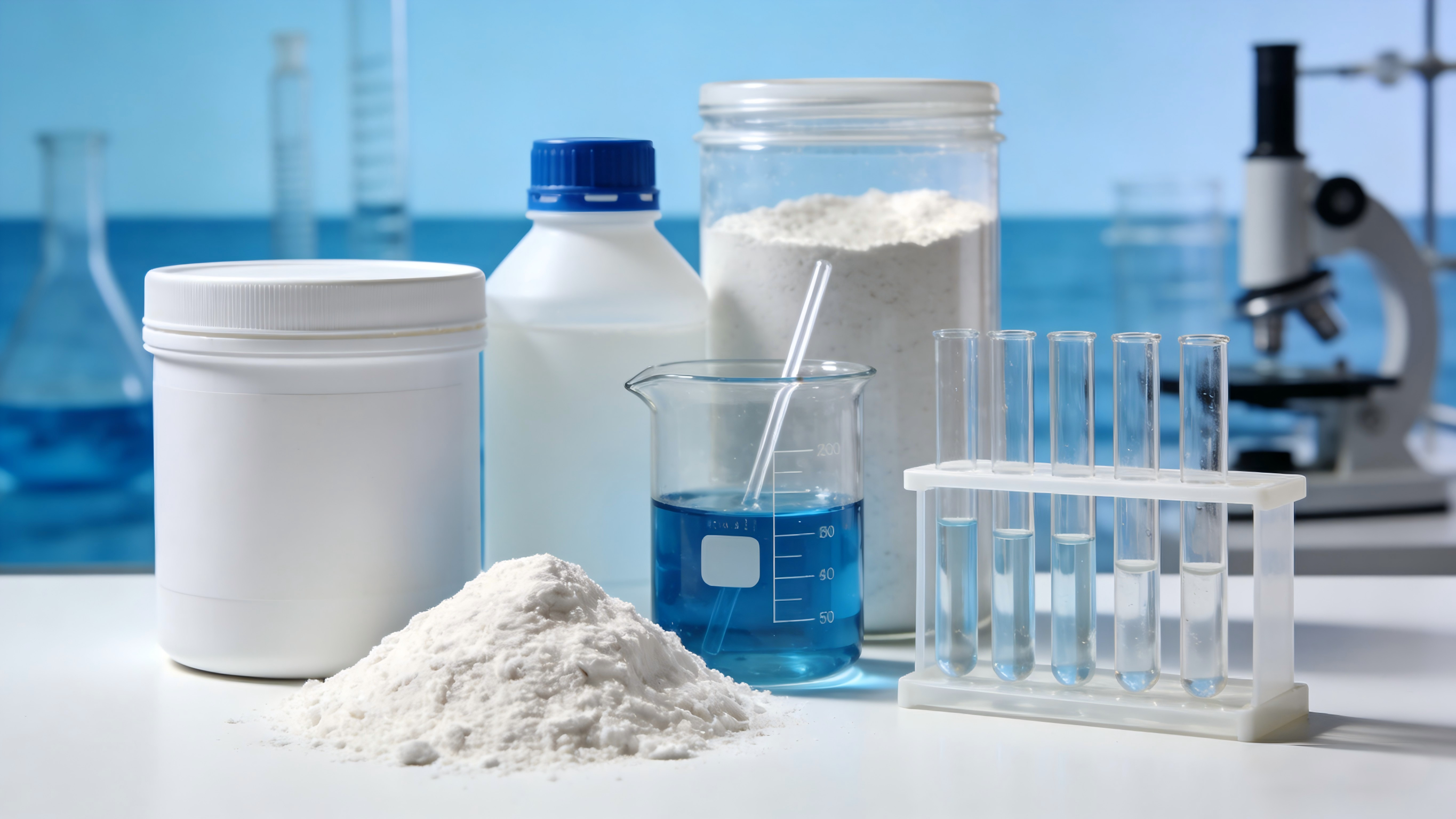
Trichloroisocyanuric Acid, commonly abbreviated as TCCA, represents one of the most advanced chlorine-based disinfectants available today. With a molecular formula of C₃Cl₃N₃O₃ and approximately 90% available chlorine content, this white crystalline powder delivers exceptional sanitizing power without the drawbacks of traditional chlorine products.
What sets TCCA apart? Its slow-release mechanism. Unlike liquid chlorine that dissipates rapidly, TCCA maintains consistent chlorine levels over extended periods. This characteristic proves invaluable for water parks operating twelve hours daily during peak season.
Why Water Parks Choose TCCA Over Alternatives
During a consultation last year with a major theme park facility in Florida, the operations director asked me a question that stuck: “Why should I switch from sodium hypochlorite to TCCA?” My answer covered three critical points:
Stability Under Sunlight: Water parks face unique challenges – massive surface areas exposed to direct UV radiation. TCCA’s cyanuric acid component acts as a stabilizer, protecting chlorine from rapid degradation. I’ve measured chlorine retention rates up to 40% higher compared to unstabilized alternatives.
Reduced Handling Frequency: Bulk liquid chlorine requires daily dosing. TCCA tablets or granules can maintain proper levels for 3-5 days depending on bather load. This translates to reduced labor costs and fewer chemical handling incidents.
pH Buffering Capacity: TCCA naturally maintains pH between 6.5-7.5, minimizing the need for additional pH adjusters. One client reported 30% reduction in total chemical expenditure after switching.
Implementation Strategies for Maximum Effectiveness
Dosage Calculations That Actually Work
Here’s where theory meets practice. The textbook says 2-4 ppm free chlorine for pools. Water parks? That’s often insufficient. Based on my field experience with facilities handling 5,000+ daily visitors, I recommend:
- Wave Pools: 3-5 ppm (high turbulence increases chlorine consumption)
- Lazy Rivers: 2.5-4 ppm (moderate bather load)
- Children’s Splash Areas: 4-6 ppm (higher contamination risk)
- Water Slides: 3-4 ppm (intermittent flow requires consistent protection)
Remember, these are starting points. Your specific requirements depend on bather load, water temperature, and local health department regulations. Always conduct weekly water testing and adjust accordingly.
Storage and Handling Best Practices
I cannot emphasize this enough – improper storage destroys TCCA effectiveness. During an audit in Texas, I discovered a facility storing TCCA containers directly on concrete floors in a humid warehouse. Result? 25% potency loss within six weeks.
Follow these protocols:
- Store in cool, dry, well-ventilated areas below 35°C
- Keep containers sealed when not in use
- Never mix with other chemicals (especially acids or ammonia)
- Use dedicated scoops for each chemical type
- Implement first-in-first-out inventory rotation
One more thing – train your staff properly. I’ve seen more accidents from complacency than from actual chemical hazards.
Regulatory Compliance: Staying Ahead of Inspections
Documentation Requirements
Health inspectors don’t just test water – they review records. Maintain detailed logs including:
- Daily chlorine readings (minimum twice daily during operation)
- pH measurements
- Chemical addition records with timestamps
- Staff training certifications
- Equipment maintenance schedules
Digital logging systems now integrate with automated dosing equipment, creating audit trails that satisfy even the strictest regulators. The initial investment pays for itself in reduced inspection preparation time.
Meeting International Standards
Water parks serving international tourists face additional scrutiny. TCCA meets requirements for:
- WHO Guidelines for Safe Recreational Water
- CDC Model Aquatic Health Code
- EU Bathing Water Directive
- Various national health codes across Asia-Pacific regions
Having certification documentation readily available demonstrates professionalism and reduces inspection friction.
Cost-Benefit Analysis: The Numbers Don’t Lie
Let’s talk money. A medium-sized water park (500,000 gallons total capacity) typically spends $45,000-65,000 annually on water treatment chemicals. Here’s how TCCA impacts that budget:
| Cost Factor | Traditional Chlorine | TCCA Solution |
|---|---|---|
| Chemical Cost | $38,000/year | $42,000/year |
| Labor Hours | 520 hours/year | 340 hours/year |
| pH Adjusters | $8,500/year | $3,200/year |
| Equipment Wear | High | Moderate |
| Total Annual | $46,500+ | $45,200+ |
The chemical cost appears higher, but reduced labor and ancillary chemical needs create net savings. Factor in reduced closure risk from compliance issues, and the ROI becomes compelling.
Common Challenges and Practical Solutions
Problem: Chlorine Odor Complaints
Guests sometimes associate strong chlorine smell with “clean” water. Actually, chloramine formation (combined chlorine) creates that unpleasant odor. Solution: Maintain proper free chlorine levels and implement shock treatments weekly. TCCA’s consistent release minimizes chloramine formation compared to batch dosing.
Problem: Algae Breakthrough
Even with proper chlorine levels, algae can appear in shaded areas or low-flow zones. I recommend supplemental algaecide treatments and ensuring adequate water circulation. TCCA prevents most algae growth, but stagnant water creates vulnerabilities.
Problem: Skin Sensitivity Issues
Some guests report skin irritation. Often this stems from improper pH rather than chlorine itself. Maintain pH between 7.2-7.6 and ensure proper rinsing facilities are available. Consider posting educational signage about showering before entering pools.
Future Trends: What’s Next for Water Park Disinfection?
The industry continues evolving. UV-C secondary disinfection, ozone systems, and advanced oxidation processes are gaining traction. However, TCCA remains the primary disinfectant backbone for good reason – reliability, cost-effectiveness, and proven track record.
Smart monitoring systems now integrate TCCA dosing with real-time water quality sensors, enabling predictive maintenance and automated adjustments. Facilities adopting these technologies report 15-20% reduction in chemical usage while improving water quality consistency.
FAQ: Your TCCA Questions Answered
Q: How long do TCCA tablets last in automatic feeders?
A: Typically 5-7 days under normal operating conditions. High bather loads or elevated water temperatures may reduce this to 3-4 days. Monitor chlorine levels daily and adjust feeder settings accordingly.
Q: Can TCCA be used in saltwater pools?
A: Yes, but with considerations. Saltwater systems generate chlorine electrolytically. Adding TCCA increases cyanuric acid levels over time. Monitor CYA concentrations and partially drain/refresh water annually if levels exceed 80 ppm.
Q: Is TCCA safe for children’s pools?
A: Absolutely, when properly dosed. Children’s areas actually benefit from TCCA’s consistent chlorine release. Maintain slightly higher free chlorine levels (4-6 ppm) and ensure adequate filtration turnover rates.
Q: What’s the shelf life of TCCA products?
A: Properly stored TCCA maintains potency for 2-3 years. Degradation accelerates in humid or hot conditions. Purchase from suppliers with proper warehousing and check manufacturing dates on delivery.
Q: How does TCCA compare to bromine for water parks?
A: Bromine works better in hot water (spas, hot springs) but costs 40-60% more. For standard water park attractions, TCCA provides superior value with equivalent disinfection performance.
Q: Can I switch from liquid chlorine to TCCA mid-season?
A: Yes, but transition gradually over 2-3 weeks. Test cyanuric acid levels before switching – if already above 50 ppm, partial water replacement may be necessary before introducing TCCA.
Final Thoughts: Investing in Guest Confidence
Every water park operator faces the same fundamental challenge: creating memorable experiences while maintaining uncompromising safety standards. TCCA isn’t a magic solution, but it’s a proven tool that, when properly implemented, delivers consistent results.
I’ve walked through facilities using TCCA correctly – crystal-clear water, satisfied guests, smooth inspections. I’ve also seen the consequences of cutting corners. The choice ultimately reflects your commitment to quality.
Your guests trust you with their families’ safety. Choose disinfection solutions that honor that trust.
Ready to optimize your water park’s treatment program? Reach out to our technical team for customized consultation and competitive pricing on bulk TCCA supplies.
Author: Dr. Marcus Richardson
Water Treatment Specialist with 15+ years in commercial aquatic facility chemical management
