
TCCA Importers for Chemical Importers: Global Sourcing Deals
Introduction
In today’s competitive chemical industry, finding reliable TCCA importers has become a critical challenge for businesses worldwide. Trichloroisocyanuric Acid (TCCA), with CAS Number 87-90-1, stands as one of the most essential disinfectants for water treatment, swimming pool sanitation, and industrial sterilization applications. As global demand continues to surge—with the market projected to reach 12.7 billion yuan by 2032—chemical importers face increasing pressure to secure quality supplies at competitive prices.
This comprehensive guide addresses the key pain points experienced by B2B buyers when sourcing TCCA internationally and provides actionable solutions for establishing successful global sourcing deals.
Key Challenges Facing Chemical Importers
Quality Consistency Concerns
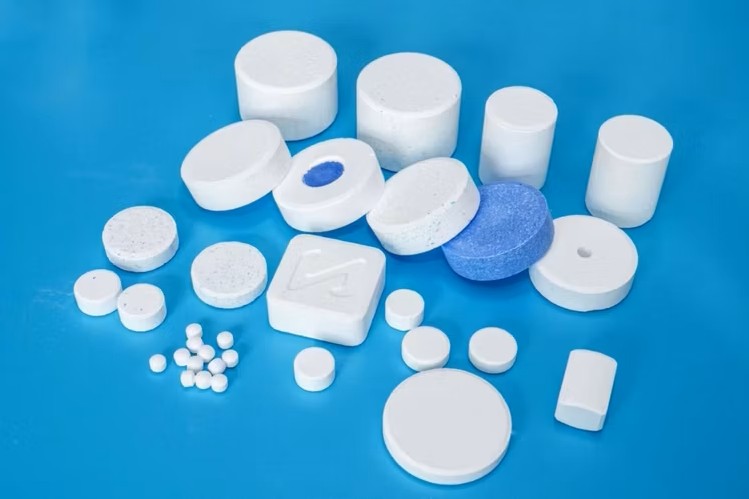
One of the primary obstacles for TCCA importers involves maintaining consistent product quality across different batches. Variations in chlorine content, purity levels, and physical form (powder, granules, or tablets) can significantly impact end-user satisfaction and regulatory compliance.
Supply Chain Reliability Issues
Global sourcing introduces complex logistics challenges. Importers frequently encounter shipping delays, customs complications, and documentation errors that disrupt supply chains and affect business operations.
Pricing Transparency Problems
The TCCA market suffers from opaque pricing structures. Many suppliers hide additional costs including freight charges, insurance fees, and handling expenses until late in the negotiation process, making budget planning difficult for procurement managers.
Regulatory Compliance Complexities
Different countries maintain varying regulations for chemical imports. Navigating safety data sheets, hazardous material certifications, and environmental compliance requirements demands significant expertise and resources.
Strategic Solutions for Successful TCCA Sourcing
Partner with Verified Suppliers
Working with established TCCA manufacturers who maintain international certifications ensures product quality and regulatory compliance. Look for suppliers with ISO certifications, REACH compliance, and proven export track records.
Implement Quality Assurance Protocols
Request comprehensive quality documentation including:
- Certificate of Analysis (CoA)
- Safety Data Sheets (SDS)
- Third-party testing reports
- Batch traceability records
Optimize Logistics Planning
Develop relationships with experienced freight forwarders specializing in hazardous chemical transportation. Plan shipments well in advance to accommodate customs clearance procedures and potential delays.
Negotiate Transparent Pricing Structures
Request all-inclusive pricing that covers product costs, packaging, freight, insurance, and documentation fees. This approach enables accurate budget forecasting and eliminates unexpected expenses.
Market Trends and Opportunities
The global TCCA market demonstrates robust growth potential, driven by increasing demand from water treatment facilities, agricultural applications, and industrial sanitation sectors. Importers who establish strong supplier relationships now position themselves advantageously for future market expansion.
Emerging applications in eco-friendly agriculture and advanced water purification systems create new opportunities for forward-thinking chemical importers. Understanding these trends enables businesses to diversify their product portfolios and capture emerging market segments.
Conclusion
Successfully navigating the TCCA import landscape requires careful supplier selection, thorough quality verification, and strategic logistics planning. By addressing common pain points proactively and implementing the solutions outlined above, chemical importers can establish reliable supply chains that support business growth and customer satisfaction.
The key to success lies in building long-term partnerships with trustworthy suppliers who prioritize quality, transparency, and regulatory compliance. As the global TCCA market continues expanding, importers who invest in these relationships today will reap significant benefits tomorrow.
Frequently Asked Questions (FAQ)
Q1: What is the typical purity level for industrial-grade TCCA?
A: Industrial-grade TCCA typically maintains 90-99% active chlorine content, depending on the specific application requirements and manufacturer specifications.
Q2: How long does TCCA shipping usually take?
A: Standard shipping times range from 20-45 days depending on destination, shipping method, and customs clearance procedures. Express options may reduce transit time to 10-15 days.
Q3: What documentation is required for TCCA imports?
A: Essential documents include Commercial Invoice, Packing List, Bill of Lading, Certificate of Analysis, Safety Data Sheet, and relevant hazardous material certifications.
Q4: Can TCCA be customized for specific applications?
A: Yes, many suppliers offer customization options including different granule sizes, tablet forms, packaging specifications, and chlorine concentration levels.
Q5: What payment terms are commonly accepted?
A: Standard payment terms include T/T (Telegraphic Transfer), L/C (Letter of Credit), and sometimes D/P (Documents against Payment) for established business relationships.
Author: Dr. Michael Richardson
Ready to explore competitive TCCA sourcing opportunities? Visit our contact page to connect with our global sourcing specialists.
