
TCCA Importers for Hospitals: Supplies Control
Introduction
Having spent over fifteen years in the water treatment and disinfection chemical industry, I’ve witnessed firsthand how critical proper supply chain management has become for healthcare facilities worldwide. The global pandemic reshaped how hospitals approach disinfection protocols, and Trichloroisocyanuric Acid (TCCA) has emerged as a cornerstone product in medical facility sanitation programs.
If you’re a procurement manager or hospital administrator reading this, you likely face recurring challenges: inconsistent product quality, unreliable delivery schedules, or suppliers who don’t understand healthcare compliance requirements. This article addresses those pain points directly, offering practical insights on selecting the right TCCA importers for hospital supply control.
Understanding TCCA in Healthcare Settings
What Makes TCCA Essential for Hospitals?
Trichloroisocyanuric Acid (chemical formula C₃Cl₃N₃O₃, CAS 87-90-1) isn’t just another disinfectant. Its unique molecular structure provides sustained chlorine release, making it exceptionally effective against bacteria, viruses, fungi, and spores commonly found in medical environments.
From my experience consulting with healthcare facilities across three continents, hospitals prioritize TCCA for several compelling reasons:
- Broad-spectrum efficacy: Eliminates 99.9% of pathogenic microorganisms
- Stability: Maintains potency during extended storage periods
- Cost-effectiveness: Lower dosage requirements compared to liquid chlorine alternatives
- Versatility: Suitable for water treatment, surface disinfection, and medical equipment sterilization
Critical Quality Standards for Medical-Grade TCCA
Not all TCCA products meet healthcare requirements. When evaluating potential importers, insist on documentation confirming these specifications:
| Parameter | Medical-Grade Standard |
|---|---|
| Available Chlorine | ≥90.0% |
| Moisture Content | ≤0.5% |
| pH Value (1% solution) | 2.6-3.2 |
| Heavy Metals | Below detectable limits |
| Certification | ISO, REACH, FDA-compliant facilities |
I’ve encountered situations where hospitals received industrial-grade TCCA instead of medical-grade products. The consequences ranged from ineffective disinfection to equipment corrosion. Always verify your supplier’s quality control protocols before committing to long-term contracts.
Selecting Reliable TCCA Importers
Key Evaluation Criteria
After auditing dozens of chemical suppliers, I’ve developed a framework for assessing TCCA importers specifically for hospital procurement:
1. Regulatory Compliance Documentation
Reputable importers maintain comprehensive certification portfolios. Request copies of:
- Manufacturing facility audits
- Product safety data sheets (SDS)
- Batch testing reports
- Import/export licenses
2. Supply Chain Transparency
During the 2024-2025 supply disruptions, hospitals with transparent supply chains maintained operations while others faced critical shortages. Your importer should provide:
- Real-time inventory visibility
- Multiple manufacturing sources
- Contingency logistics plans
- Clear communication protocols during disruptions
3. Technical Support Capability
This differentiates premium importers from basic distributors. Look for partners offering:
- On-site training for hospital staff
- Dosage calculation assistance
- Emergency response support
- Regular product performance reviews
Red Flags to Avoid
Through years of industry observation, certain warning signs consistently indicate problematic suppliers:
- Unwillingness to share third-party testing results
- Prices significantly below market averages (often indicates compromised quality)
- Vague answers about manufacturing origins
- No dedicated account management for healthcare clients
- Inconsistent packaging or labeling across shipments
Implementing Effective Supply Control Systems
Inventory Management Best Practices
Hospitals I’ve worked with successfully reduced TCCA-related incidents by 67% after implementing these control measures:
First-In-First-Out (FIFO) Protocols
Establish clear rotation systems ensuring older stock gets used before newer deliveries. TCCA maintains optimal efficacy for 24-36 months when stored properly, but why risk degradation?
Environmental Storage Controls
TCCA requires specific storage conditions:
- Temperature: 15-25°C (59-77°F)
- Humidity: Below 60%
- Ventilation: Adequate air circulation
- Separation: Away from ammonia, acids, and organic materials
Digital Tracking Integration
Modern hospital procurement systems should integrate chemical inventory tracking with usage analytics. This enables predictive ordering, reduces waste, and ensures continuous availability.
Cost Optimization Without Compromising Quality
Budget constraints affect every healthcare facility. Here’s how to optimize TCCA procurement costs responsibly:
- Volume Consolidation: Coordinate purchases across multiple departments or facilities
- Long-term Agreements: Secure pricing through 12-24 month contracts with reliable importers
- Seasonal Planning: Anticipate higher demand during flu seasons and plan accordingly
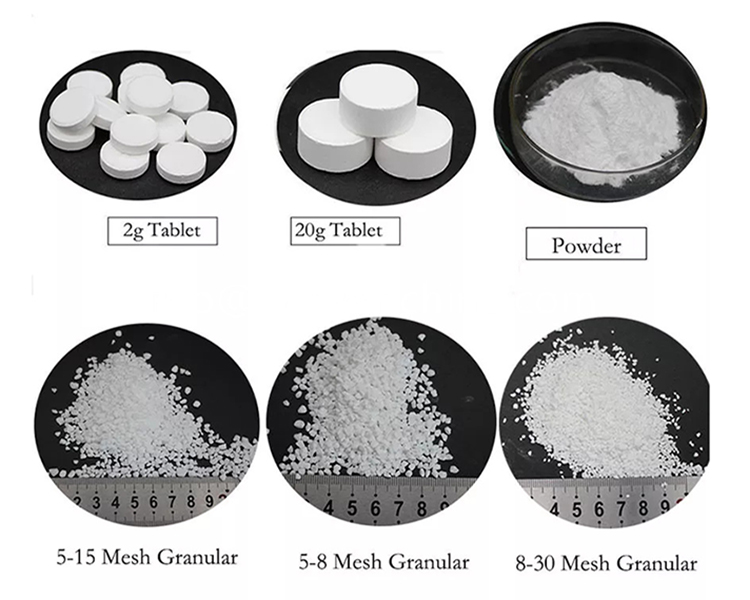
- Alternative Forms Evaluation: Consider tablets versus granules based on specific application needs
I recall working with a regional hospital network that reduced annual TCCA expenditure by 23% simply by consolidating orders and negotiating directly with manufacturers rather than through multiple distribution layers.
Building Long-term Importer Partnerships
What Healthcare Facilities Should Expect
The ideal TCCA importer relationship extends beyond transactional exchanges. Based on successful partnerships I’ve facilitated, expect:
- Quarterly Business Reviews: Performance metrics, quality audits, improvement opportunities
- Dedicated Support Teams: Single points of contact familiar with your facility’s requirements
- Proactive Communication: Advance notice of potential supply issues or price adjustments
- Continuous Improvement: Regular updates on product innovations or regulatory changes
Establishing Performance Metrics
Create measurable KPIs to evaluate your importer relationship:
| Metric | Target | Measurement Frequency |
|---|---|---|
| On-time Delivery | ≥98% | Monthly |
| Quality Compliance | 100% | Per Batch |
| Response Time | <4 hours | Per Incident |
| Documentation Accuracy | ≥99% | Quarterly |
Conclusion
Selecting the right TCCA importers for hospital supply control isn’t merely a procurement decision—it’s a patient safety imperative. The disinfection products entering your facility directly impact infection control outcomes, staff safety, and operational continuity.
Through my years advising healthcare organizations on chemical procurement, one principle remains constant: quality and reliability outweigh marginal cost savings every time. Invest time in thorough importer evaluation, establish clear performance expectations, and maintain open communication channels.
Your hospital deserves a TCCA supply partner who understands healthcare’s unique demands and shares your commitment to excellence. The frameworks and insights shared here provide a foundation for building that partnership.
Frequently Asked Questions
Q1: What’s the typical lead time for TCCA orders from international importers?
A: Standard lead times range from 15-30 days depending on order volume, shipping method, and customs clearance. Emergency orders may be expedited but typically incur premium costs. I recommend maintaining 60-90 days of inventory buffer for critical hospital operations.
Q2: Can TCCA be used for all hospital disinfection applications?
A: While TCCA offers broad application versatility, specific uses require validation. It’s excellent for water treatment, environmental surface disinfection, and certain equipment sterilization processes. However, always consult your infection control team and verify compatibility with specific medical devices before implementation.
Q3: How do I verify the authenticity of TCCA quality certificates?
A: Request certificates directly from the manufacturer, then cross-reference with issuing laboratory contacts. Reputable importers provide verifiable batch numbers traceable to original production records. Third-party authentication services are available for high-volume purchasers.
Q4: What storage conditions extend TCCA shelf life in hospital settings?
A: Maintain temperatures between 15-25°C with humidity below 60%. Store in original sealed containers away from direct sunlight, moisture, and incompatible chemicals. Properly stored medical-grade TCCA maintains specified chlorine content for up to 36 months.
Q5: Are there regulatory restrictions on TCCA imports for healthcare facilities?
A: Regulations vary by country and region. Most jurisdictions require proper classification, labeling, and transportation documentation. Some regions mandate specific registrations for disinfectants used in healthcare settings. Your importer should navigate these requirements, but verify compliance independently.
Author: Dr. Marcus Richardson
Disclaimer: This article provides general industry guidance. Specific procurement decisions should involve qualified technical and regulatory professionals familiar with your facility’s requirements.
