
# TCCA Importers for Public Facilities: Maintenance Heavy Durable Chlorine
Introduction
After spending over fifteen years in the water treatment chemical industry, I’ve witnessed firsthand how critical proper chlorine selection becomes for public facility managers. When you’re responsible for maintaining swimming pools, municipal water systems, or recreational facilities, the choice of disinfectant isn’t just about cost—it’s about reliability, safety, and long-term performance. Trichloroisocyanuric acid (TCCA) has emerged as the go-to solution for heavy-duty chlorine needs across public infrastructure projects worldwide.
In this article, I’ll share practical insights about sourcing TCCA from reliable importers, what specifications matter most for public facilities, and how to evaluate suppliers who truly understand maintenance requirements at scale.
Why TCCA Stands Out for Public Facility Maintenance
Superior Stability and Slow-Release Properties
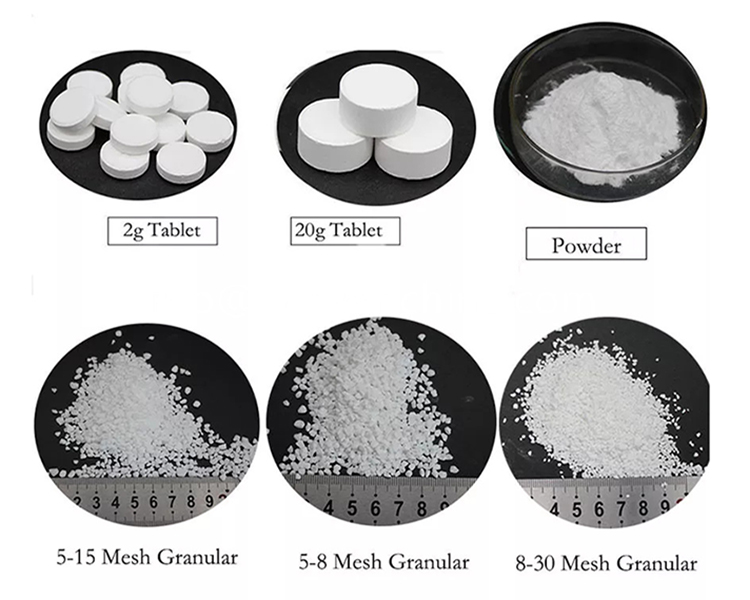
What makes TCCA particularly valuable for public facilities is its controlled chlorine release mechanism. Unlike liquid chlorine solutions that degrade rapidly, TCCA maintains approximately 90% available chlorine content with exceptional stability. This translates to fewer application cycles and reduced labor costs—something facility managers genuinely appreciate when working with tight operational budgets.
From my experience consulting with municipal water treatment plants, the slow-dissolving tablets or granules provide consistent disinfection over extended periods. This is crucial for facilities that cannot afford interruption in water quality monitoring or treatment schedules.
Heavy-Duty Performance in High-Traffic Environments
Public facilities face unique challenges: high bather loads, variable weather conditions, and strict regulatory compliance requirements. TCCA’s robust oxidizing power handles organic contaminants effectively while maintaining residual chlorine levels within safe parameters. The compound’s resistance to UV degradation makes it particularly suitable for outdoor swimming pools and open-air recreational water features.
Key Considerations When Selecting TCCA Importers
Quality Certification and Compliance Documentation
Not all suppliers operate with the same quality standards. Reputable TCCA importers should provide comprehensive documentation including:
- CAS Number verification (87-90-1)
- Purity specifications (typically 90-99% available chlorine)
- Safety Data Sheets (SDS) compliant with international standards
- Third-party testing certificates from recognized laboratories
I’ve encountered situations where facilities compromised on documentation requirements, only to face regulatory challenges during inspections. Always verify that your importer maintains proper traceability from manufacturing through delivery.
Packaging Options for Different Facility Scales
Public facilities vary significantly in size and consumption patterns. A small community pool might require 25kg packaging, while large municipal operations often need bulk quantities with specialized handling equipment. Quality importers offer flexible packaging solutions including:
- Standard 25kg drums for smaller operations
- 50kg or 100kg containers for medium facilities
- Custom bulk packaging for high-volume consumers
The right packaging choice affects storage requirements, handling safety, and overall cost efficiency.
Building Long-Term Partnerships with Reliable Suppliers
Evaluating Supply Chain Reliability
Consistency matters more than occasional price advantages. When public facilities run out of disinfectant, there’s no acceptable alternative that can be implemented immediately. I recommend assessing potential importers based on:
- Inventory management capabilities
- Lead time consistency across multiple orders
- Geographic distribution networks
- Emergency supply protocols
During peak swimming seasons, supply chain disruptions can create serious operational challenges. Established importers with diversified sourcing arrangements provide the stability that public facility managers need.
Technical Support and Application Guidance
The best TCCA importers don’t just sell products—they provide ongoing technical support. This includes dosage calculations, water testing protocols, and troubleshooting assistance when unusual water quality issues arise. Having access to experienced chemical specialists can prevent costly mistakes and optimize treatment efficiency.
Cost Considerations Beyond Unit Price
While budget constraints are real for public facilities, focusing solely on per-kilogram pricing often leads to higher total costs. Consider these factors:
- Chlorine availability percentage affects actual treatment cost
- Dissolution rates impact labor requirements
- Storage stability reduces waste from product degradation
- Shipping terms and import duties affect landed cost
A slightly higher unit price from a quality-focused importer frequently delivers better value when all operational factors are accounted for.
Moving Forward with Confidence
Selecting the right TCCA importer for public facility maintenance requires careful evaluation of quality standards, supply reliability, and technical support capabilities. The investment in thorough supplier qualification pays dividends through consistent water quality, regulatory compliance, and operational efficiency.
If you’re currently evaluating TCCA suppliers or looking to optimize your existing procurement strategy, I encourage you to prioritize partners who demonstrate genuine understanding of public facility requirements rather than those competing on price alone.
Author: Michael Richardson
Note: For additional information on TCCA specifications and supplier qualification guidelines, visit our resource center at https://envochemical.com/contact-us/
