
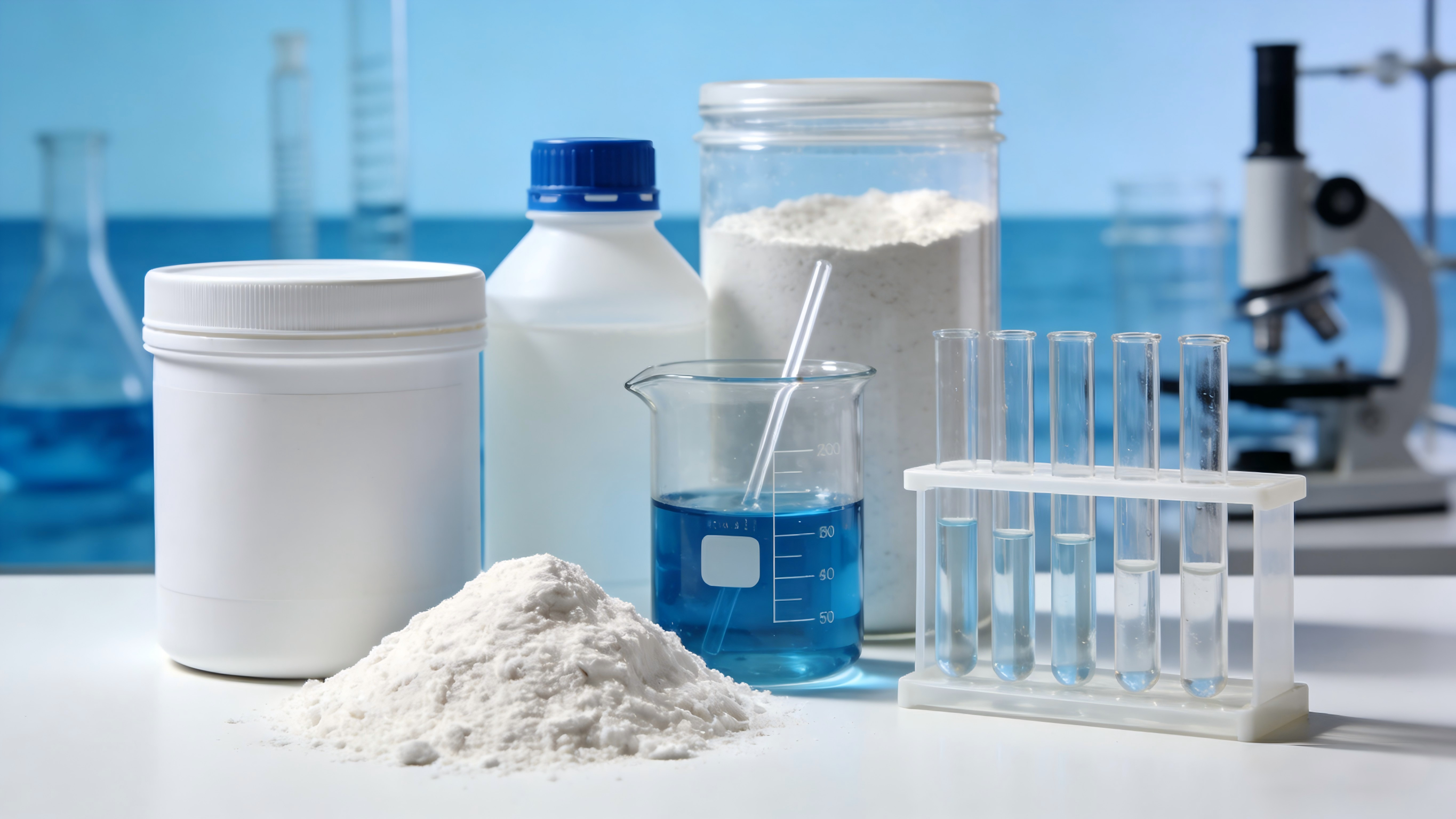
TCCA Suppliers for Laboratories: Grade Precision Disinfection Research
Introduction
In the rapidly evolving landscape of laboratory science and industrial disinfection, Trichloroisocyanuric Acid (TCCA) has emerged as a cornerstone compound for precision-grade sanitization and research applications. As laboratories worldwide demand higher standards of purity, consistency, and reliability, selecting the right TCCA supplier becomes a critical decision that directly impacts research outcomes, operational efficiency, and regulatory compliance.
This comprehensive guide explores the essential considerations for laboratories seeking premium TCCA suppliers, examining grade specifications, quality assurance protocols, and the unique requirements of disinfection research applications. Whether you are managing a pharmaceutical research facility, water treatment laboratory, or industrial testing center, understanding the nuances of TCCA procurement will empower your organization to make informed sourcing decisions.
Understanding TCCA: Chemical Properties and Laboratory Applications
What is Trichloroisocyanuric Acid?
Trichloroisocyanuric Acid (TCCA), with the chemical formula C₃Cl₃N₃O₃ and CAS number 87-90-1, is a highly effective organic chlorine compound renowned for its exceptional disinfection capabilities. This white crystalline powder possesses strong oxidizing properties and releases chlorine gradually when dissolved in water, making it ideal for controlled laboratory environments.
Key Characteristics for Laboratory Use
TCCA offers several distinctive advantages that make it particularly suitable for research and precision disinfection applications:
- High Available Chlorine Content: Premium laboratory-grade TCCA typically contains 90-99% available chlorine, ensuring consistent disinfection performance
- Stability: Unlike sodium hypochlorite, TCCA maintains potency over extended storage periods when kept in proper conditions
- Controlled Release: The gradual chlorine release mechanism allows for precise dosing in experimental protocols
- Broad-Spectrum Efficacy: Effective against bacteria, viruses, fungi, and spores across diverse research applications
Primary Laboratory Applications
Research facilities utilize TCCA across multiple domains:
- Water Quality Testing: Standard reference material for disinfection efficiency studies
- Pharmaceutical Research: Sterilization agent in drug development processes
- Environmental Studies: Swimming pool and wastewater disinfection research
- Agricultural Science: Crop protection and livestock facility sanitization trials
- Medical Device Testing: Validation of sterilization protocols for healthcare equipment
Selecting the Right TCCA Supplier: Critical Evaluation Criteria
Grade Specifications and Purity Standards
Not all TCCA products are created equal. Laboratory applications demand specific grade classifications that differ significantly from industrial or commercial grades:
Laboratory Grade TCCA requires:
- Minimum 99% purity certification
- Comprehensive Certificate of Analysis (CoA) for each batch
- Traceability documentation meeting ISO standards
- Heavy metal content within strict limits (typically <10 ppm)
- Consistent particle size distribution for reproducible results
Industrial Grade TCCA may suffice for:
- Large-scale water treatment pilot studies
- Non-critical disinfection validation
- Cost-sensitive bulk applications with lower purity tolerances
Quality Assurance and Testing Protocols
Reputable TCCA suppliers implement rigorous quality control measures:
- Batch Testing: Every production lot undergoes comprehensive analysis for available chlorine content, pH, moisture, and impurities
- Third-Party Verification: Independent laboratory confirmation of specifications
- Stability Testing: Accelerated aging studies to verify shelf-life claims
- Documentation: Complete regulatory compliance records including REACH, GHS, and regional chemical safety standards
Supply Chain Reliability and Logistics
Laboratory operations cannot tolerate supply disruptions. Evaluate potential suppliers based on:
- Inventory Management: Consistent stock levels with buffer capacity for urgent requirements
- Lead Times: Clear communication of delivery schedules with expedited options available
- Packaging Integrity: Moisture-resistant, properly labeled containers meeting transportation regulations
- Geographic Coverage: Strategic warehousing to minimize shipping times and costs
Solutions for Common TCCA Procurement Challenges
Challenge 1: Inconsistent Product Quality
Solution: Partner with suppliers who provide batch-specific Certificates of Analysis and maintain ISO 9001 certification. Request sample testing before committing to large orders, and establish clear quality rejection criteria in your procurement agreements.
Challenge 2: Regulatory Compliance Complexity
Solution: Choose suppliers with comprehensive regulatory expertise who can provide documentation for your specific jurisdiction. This includes safety data sheets (SDS), transport classifications, and import/export permits where applicable.
Challenge 3: Technical Support Gaps
Solution: Prioritize suppliers offering dedicated technical support teams who understand laboratory requirements. Access to application specialists can prove invaluable when optimizing TCCA usage for specific research protocols.
Challenge 4: Cost vs. Quality Balance
Solution: Implement total cost of ownership analysis rather than focusing solely on unit price. Consider factors such as product consistency, reduced waste from failed experiments, and minimized quality control overhead when evaluating supplier proposals.
Best Practices for TCCA Storage and Handling in Laboratory Settings
Proper storage and handling protocols protect both product integrity and personnel safety:
- Temperature Control: Store in cool, dry environments between 15-25°C
- Moisture Protection: Maintain sealed containers with desiccant packs to prevent degradation
- Segregation: Keep away from reducing agents, ammonia compounds, and organic materials
- Personal Protection: Utilize appropriate PPE including chemical-resistant gloves, eye protection, and respiratory equipment when handling
- Documentation: Maintain detailed inventory records with batch numbers and receipt dates
Future Trends in Laboratory-Grade TCCA Supply
The TCCA supply landscape continues to evolve with several emerging trends:
- Sustainable Manufacturing: Suppliers increasingly adopting environmentally responsible production methods
- Digital Traceability: Blockchain and QR code systems for enhanced supply chain transparency
- Customized Formulations: Tailored particle sizes and blend compositions for specialized applications
- Regulatory Harmonization: Global alignment of quality standards simplifying international procurement
Conclusion
Selecting the right TCCA supplier for laboratory applications requires careful evaluation of multiple factors including purity specifications, quality assurance protocols, supply reliability, and technical support capabilities. By prioritizing suppliers who demonstrate commitment to laboratory-grade standards and understand the unique demands of research environments, organizations can ensure consistent, reliable access to this critical disinfection compound.
Investing time in thorough supplier qualification pays dividends through improved research outcomes, reduced operational risks, and long-term cost efficiencies. As laboratory standards continue to advance, partnering with forward-thinking TCCA suppliers positions your organization for sustained success in precision disinfection research.
Frequently Asked Questions (FAQ)
Q1: What is the typical shelf life of laboratory-grade TCCA?
A: When stored properly in sealed containers under cool, dry conditions, laboratory-grade TCCA maintains its specified purity for 24-36 months from the manufacture date. Always verify the expiration date on the Certificate of Analysis before use in critical applications.
Q2: How do I verify TCCA purity for sensitive research applications?
A: Request batch-specific Certificates of Analysis from your supplier and consider independent third-party testing for critical studies. Key parameters include available chlorine content, moisture level, pH of solution, and heavy metal concentrations.
Q3: What packaging options are available for laboratory TCCA purchases?
A: Suppliers typically offer various packaging sizes ranging from 1kg laboratory containers to 25kg industrial drums. Choose packaging that matches your consumption rate to minimize exposure and degradation between uses.
Q4: Can TCCA be used for all types of laboratory disinfection?
A: While TCCA is highly versatile, it may not be suitable for all applications. Avoid use with ammonia-containing compounds, certain metals, and organic materials that may react dangerously. Consult your supplier’s technical team for application-specific guidance.
Q5: What documentation should I request from TCCA suppliers?
A: Essential documentation includes Certificate of Analysis, Safety Data Sheet (SDS), regulatory compliance certificates, batch traceability records, and storage/handling guidelines. Maintain these records for quality assurance and regulatory audits.
Q6: How do I compare pricing between different TCCA suppliers?
A: Look beyond unit price to evaluate total cost including shipping, minimum order quantities, payment terms, and quality consistency. Request quotes specifying identical grade specifications for accurate comparison.
For more information about laboratory-grade TCCA solutions and to request a customized quote for your research facility, visit our contact page to connect with our technical sales team.
