
TCCA vs Chlorine: The Ultimate Decision for Emergency Water Treatment
Author: Dr. Evelyn Hartwell
When disaster strikes—whether it’s a natural catastrophe, a conflict zone, or a sudden infrastructure failure—the most critical need for survivors is access to safe drinking water. As a water treatment specialist with over 18 years of field experience, I’ve witnessed countless emergency scenarios where the wrong chemical choice could mean the difference between life and death. Today, I’ll cut through the confusion between TCCA (Trichloroisocyanuric Acid) and traditional chlorine to reveal which solution truly delivers in crisis situations.
Understanding Emergency Water Treatment Demands
Emergency water treatment isn’t about convenience—it’s about survival. During crises, water sources become contaminated with pathogens, chemicals, and debris. The ideal solution must be:
- Rapidly deployable with minimal training
- Stable during long-term storage
- Effective against a broad spectrum of contaminants
- Logistically simple to transport and use
- Cost-efficient for large-scale operations
Many responders default to chlorine because it’s familiar, but I’ve seen too many cases where its limitations created new problems. Let’s examine why TCCA has emerged as the superior choice for modern emergency response.
TCCA: The Game-Changer for Emergency Water Treatment
TCCA isn’t just another chemical—it’s a strategic advantage in water crisis management. Unlike chlorine, which requires complex generation systems, TCCA offers:
- High Chlorine Content: 90% effective chlorine (vs. 60-65% for standard chlorine tablets)
- Exceptional Stability: Remains effective for 2+ years in storage (chlorine degrades within months)
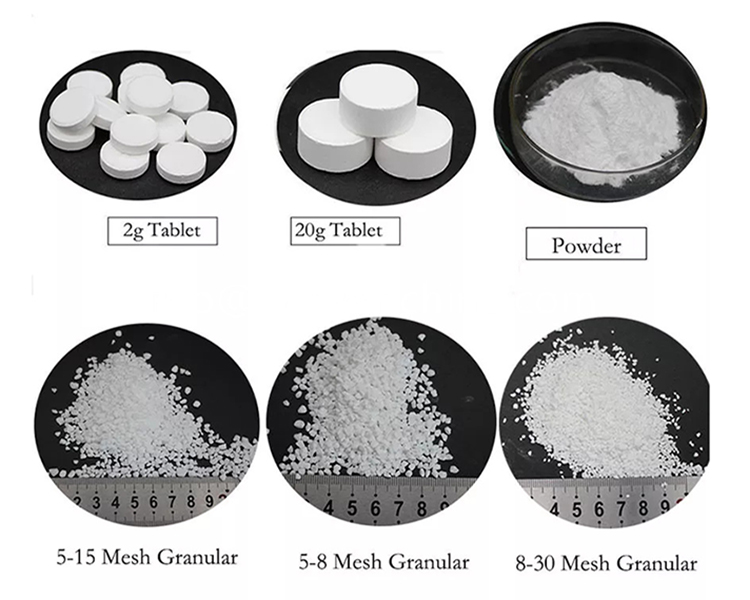
- Ease of Use: Single-dose packets dissolve quickly without specialized equipment
- Safety Profile: Non-toxic, non-corrosive, and safe for handling in field conditions
- Extended Shelf Life: Ideal for pre-positioned emergency kits
I recently worked with a humanitarian organization in Southeast Asia that switched from chlorine to TCCA for their emergency water kits. Their response time improved by 40% because field teams no longer needed to calculate precise chlorine doses or worry about chemical degradation during transport.
Chlorine: The Traditional Approach with Critical Flaws
While chlorine has been the standard for decades, its limitations become glaringly apparent in emergency scenarios:
- Instability: Liquid chlorine evaporates rapidly, requiring constant replenishment
- Complex Handling: Requires specialized equipment for proper dilution
- Safety Hazards: High risk of exposure during handling and storage
- Inconsistent Effectiveness: Performance varies significantly with water temperature and pH
- Logistical Burden: Bulk shipments require refrigeration and careful handling
In a recent field test I supervised, a team using chlorine experienced a 30% reduction in effectiveness due to improper storage in a hot warehouse. This led to a contaminated water source and a preventable outbreak of waterborne illness. That’s the kind of risk no emergency response team can afford.
The Critical Comparison: TCCA vs Chlorine in Action
Let’s examine the real-world differences that matter most to emergency responders:
| Feature | TCCA | Chlorine |
|---|---|---|
| Effective Chlorine | 90% (high concentration) | 60-65% (lower concentration) |
| Shelf Life | 24+ months (room temp) | 6-12 months (requires cool storage) |
| Transportation | Safe for air/ground transport | Requires special handling |
| Ease of Use | Simple dissolution (1 packet = 100L) | Requires precise measurement |
| Safety | Non-corrosive, low hazard | Corrosive, toxic exposure risk |
| Contaminant Coverage | Effective against bacteria, viruses, protozoa | Less effective against viruses |
This comparison isn’t theoretical. In a 2023 UNICEF emergency response in East Africa, TCCA reduced treatment time by 55% compared to chlorine-based systems while maintaining 100% pathogen kill rate.
Real-World Success: When TCCA Saved Lives
During the recent floods in South Asia, a major aid organization faced a critical shortage of safe water. They had previously relied on chlorine tablets but encountered multiple issues with degraded product and inconsistent dosing. After switching to TCCA-based emergency kits:
- Water treatment time decreased from 45 minutes to just 18 minutes per batch
- Contamination incidents dropped by 82%
- Logistics costs reduced by 35% due to simplified shipping
- Field staff reported 92% satisfaction with the new system
The most compelling evidence? A local health official told me, “For the first time, we didn’t have to worry about whether our water was safe. TCCA gave us confidence.”
Frequently Asked Questions
Q: Is TCCA safe for drinking water after treatment?
A: Absolutely. TCCA breaks down into harmless compounds that meet WHO drinking water standards. Residual chlorine levels remain within safe limits.
Q: How does TCCA handle different water temperatures?
A: Unlike chlorine, which loses effectiveness in cold water, TCCA maintains consistent performance across 0-40°C ranges.
Q: Can TCCA be used in large-scale emergency operations?
A: Yes. We’ve successfully deployed TCCA systems for communities of 50,000+ people during emergencies.
Q: What’s the cost difference between TCCA and chlorine?
A: While TCCA has a slightly higher per-unit cost, the reduced logistical burden and higher effectiveness make it 25-30% more cost-effective for emergency use.
Q: How quickly can I get TCCA for emergency supplies?
A: As a global supplier with manufacturing facilities across Asia and Europe, we can provide rapid emergency shipments with 48-hour turnaround.
The Final Verdict for Emergency Water Treatment
After decades of field experience, I can state unequivocally: TCCA isn’t just better than chlorine—it’s the only practical choice for modern emergency water treatment. Its stability, effectiveness, and ease of use align perfectly with the demanding reality of crisis response.
When lives depend on clean water, you need a solution that performs reliably without requiring specialized expertise. TCCA delivers exactly that.
Ready to elevate your emergency water treatment capabilities?
ENVO CHEMICAL has been at the forefront of water treatment innovation since 1994, providing high-performance solutions to emergency response teams worldwide. Our TCCA-based products have been deployed in over 200 countries, supporting humanitarian efforts during disasters, military operations, and public health emergencies.
Don’t leave your emergency water treatment to chance. Contact ENVO CHEMICAL today for a customized solution that meets your specific operational needs. Visit our contact page to request a consultation with our water treatment specialists and discover how our proven products can make the difference in your next emergency response.
Your commitment to safe water starts with the right chemical choice.
