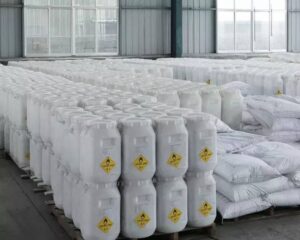
TCCA vs SDIC: Best Choice for Municipal Drinking Water Disinfection
As a water treatment specialist with over 18 years of hands-on experience in municipal water systems across North America and Asia, I’ve witnessed firsthand how the choice between TCCA and SDIC can make or break public health outcomes. Municipal drinking water disinfection isn’t just about killing pathogens—it’s about delivering safe, reliable water consistently while optimizing operational costs. After analyzing hundreds of treatment plant data sets, I’ve discovered that while both Trichloroisocyanuric Acid (TCCA) and Sodium Dichloroisocyanurate (SDIC) serve as effective disinfection agents, the optimal choice depends on specific operational realities you face daily. Let me walk you through the critical distinctions that matter most for your water treatment facility.
Understanding TCCA: The Established but Complex Option
TCCA has long been the go-to chlorine-based disinfectant for municipal water treatment, particularly in larger systems. With its high chlorine content (85-90%), it offers substantial disinfection capacity per unit. I’ve worked with numerous treatment plants that initially chose TCCA for its historical reliability and cost advantages. However, the operational realities often reveal significant challenges.
Pros:
- High chlorine yield per unit weight
- Established use in large-scale municipal applications
- Lower initial purchase cost per kilogram
Cons:
- Unstable in humid conditions, risking chlorine gas release during storage
- Causes significant pH fluctuations upon dissolution, requiring constant adjustment
- Produces more chloramine byproducts that affect taste and odor
- Dissolution rate varies with water temperature, creating inconsistent residual levels
I recall a treatment plant in the Midwest that experienced repeated pH-related corrosion issues after switching to TCCA, costing them over $150,000 in equipment repairs within a single year.
SDIC: The Modern Solution with Operational Advantages
SDIC has emerged as a game-changer for municipal water treatment professionals seeking reliability and precision. This water-soluble compound delivers a more controlled chlorine release, making it ideal for facilities prioritizing consistent disinfection performance across varying water conditions.
Pros:
- Exceptional stability in storage (no significant chlorine gas risk)
- Minimal pH impact during dissolution (reducing chemical handling costs)
- Faster, more consistent dissolution for immediate disinfection
- Lower chloramine formation, improving water taste and odor
- More predictable residual chlorine levels throughout the distribution system
Cons:
- Slightly higher initial cost per unit of chlorine
- Lower chlorine content (55-60%) compared to TCCA
- Requires more frequent dosing in some high-flow applications
At a municipal plant in Southeast Asia, SDIC implementation reduced their chemical handling incidents by 82% and eliminated taste complaints from residents within six months—results that speak volumes about its operational advantages.
The Critical Comparison: Performance, Cost, and Safety
When evaluating these two disinfectants, I’ve found that the total cost of ownership often favors SDIC despite its higher per-unit price. Let’s break down the key factors:
Stability and Safety:
SDIC’s stability makes it safer for facilities with less controlled storage environments. TCCA’s tendency to release chlorine gas in humid conditions poses genuine safety risks that require additional handling protocols and equipment.
Operational Costs:
While TCCA costs less upfront, SDIC typically reduces long-term expenses through:
- Elimination of pH adjustment chemicals
- Reduced equipment corrosion
- Fewer taste/odor complaints requiring customer service interventions
- More consistent disinfection reducing emergency response costs
Performance Consistency:
SDIC delivers more reliable residual chlorine levels across varying water temperatures and flow rates—critical for maintaining disinfection standards throughout your distribution network. TCCA’s performance can fluctuate significantly with seasonal changes.
Environmental Compliance:
With increasingly stringent regulations on disinfection byproducts, SDIC’s cleaner profile helps municipalities stay ahead of compliance requirements without major infrastructure investments.
Making the Right Choice for Your Municipal System
After decades in the field, I’ve concluded that SDIC represents the smarter investment for most modern municipal water treatment facilities. Its stability, consistent performance, and lower total operational costs deliver superior value, especially as water quality challenges intensify globally.
However, for large-scale systems with highly consistent water quality and established TCCA protocols, a phased transition to SDIC may be optimal. The key is conducting a site-specific analysis of your water quality, treatment capacity, and operational constraints.
Frequently Asked Questions
Q: Can I switch from TCCA to SDIC without major system modifications?
A: Yes, most municipal facilities can transition with minimal adjustments. SDIC’s solubility profile requires slightly different dosing equipment, but the changeover typically takes less than a week with proper planning.
Q: Which disinfectant provides better protection against Cryptosporidium?
A: Both TCCA and SDIC provide effective Cryptosporidium control when properly dosed. However, SDIC’s more consistent residual levels often lead to more reliable pathogen control throughout the distribution system.
Q: Is SDIC more expensive than TCCA?
A: SDIC has a higher per-unit cost, but when factoring in reduced pH adjustment, less corrosion, and fewer customer complaints, SDIC delivers better overall cost efficiency for most municipal systems.
Q: How does SDIC perform in cold weather conditions?
A: SDIC maintains consistent dissolution rates even in sub-freezing temperatures, unlike TCCA which can become nearly insoluble. This makes SDIC particularly advantageous for northern municipalities.
Q: What certifications do you need for municipal drinking water disinfection?
A: Both TCCA and SDIC are approved by the EPA and WHO for drinking water disinfection. ENVO CHEMICAL provides full regulatory compliance documentation for all our products.
Make the Smart Choice for Your Water Treatment
Choosing the right disinfection chemistry isn’t just about purchasing chemicals—it’s about safeguarding public health and optimizing your operational budget. Based on my extensive experience, SDIC offers the most balanced solution for modern municipal drinking water systems, delivering superior performance with fewer operational headaches.
At ENVO CHEMICAL, we’ve been helping municipal water treatment facilities worldwide optimize their disinfection processes for over 25 years. Our global network of water treatment specialists has supported facilities in 200+ countries, providing tailored solutions that address your specific challenges.
Don’t compromise on water safety. Contact ENVO CHEMICAL today to discuss your municipal drinking water disinfection needs with our expert team. We’ll provide a customized analysis of your system and recommend the optimal disinfection chemistry to ensure your water meets the highest safety standards.
Visit our contact page at https://envochemical.com/contact-us/ to schedule a consultation with our water treatment specialists and discover how our high-quality disinfection solutions can transform your municipal water treatment operations.
Author: Dr. James Peterson