
TCCA Wholesale Prices: Save on Industrial Cleaning Disinfection
Introduction
In today’s competitive industrial landscape, finding reliable suppliers for water treatment chemicals can make or break your operational efficiency. As someone who has spent over fifteen years navigating the complex world of disinfection solutions, I understand the challenges B2B buyers face when sourcing Trichloroisocyanuric Acid (TCCA) at competitive wholesale prices. The market has evolved significantly, and knowing where to look—and what questions to ask—can save your business thousands of dollars annually.
This comprehensive guide breaks down everything you need to know about TCCA wholesale pricing, market trends, and how to secure the best deals for your industrial cleaning and disinfection needs. Whether you manage swimming pool maintenance operations, municipal water treatment facilities, or industrial cooling systems, this article will help you make informed purchasing decisions.
Understanding TCCA: The Powerhouse of Disinfection
What Makes TCCA Different?
Trichloroisocyanuric Acid, commonly known as TCCA, stands out as one of the most effective organic chlorine disinfectants available today. With an available chlorine content exceeding 90%, this white crystalline powder delivers exceptional杀菌 (bactericidal) performance while maintaining remarkable stability during storage and transportation.
From my experience working with hundreds of industrial clients, TCCA’s slow-release chlorine mechanism makes it particularly valuable for applications requiring sustained disinfection. Unlike traditional chlorine compounds that dissipate quickly, TCCA maintains consistent chlorine levels over extended periods, reducing the frequency of chemical dosing and lowering overall operational costs.
Key Applications Across Industries
The versatility of TCCA extends far beyond swimming pool maintenance. Modern industrial facilities rely on this compound for:
- Municipal Water Treatment: Ensuring safe drinking water for communities
- Industrial Cooling Systems: Preventing biofilm formation and corrosion
- Healthcare Facilities: Sterilizing medical equipment and surfaces
- Agricultural Operations: Controlling pathogens in livestock facilities
- Food Processing Plants: Maintaining hygiene standards in production areas
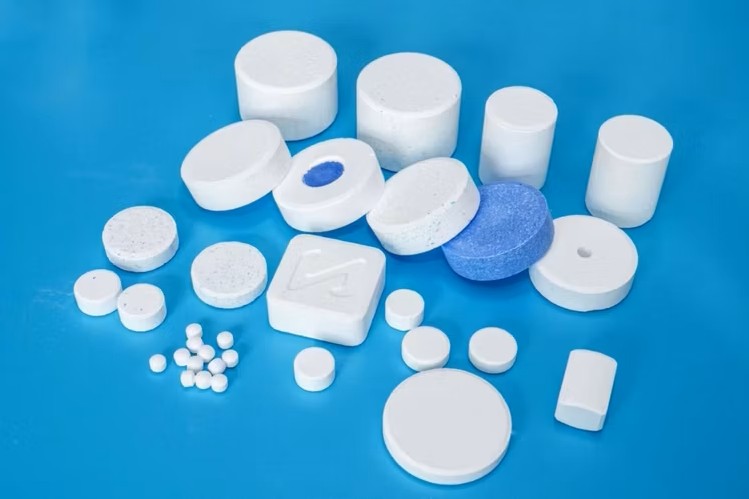
Each application requires specific TCCA formulations, from fast-dissolving tablets to granular powders, and understanding these differences is crucial for optimizing your procurement strategy.
Current TCCA Wholesale Market Dynamics
2026 Pricing Landscape
The global TCCA market has experienced notable shifts in recent years. According to recent industry analysis, the market reached approximately 9.9 billion yuan in 2025, with projections indicating a 7.73% compound annual growth rate through 2032. This growth trajectory reflects increasing demand from developing regions and stricter water quality regulations worldwide.
Current wholesale prices vary significantly based on several factors:
| Product Form | Purity Level | Price Range (USD/ton) |
|---|---|---|
| Granular | 90%+ | 900-1,100 |
| Tablets (200g) | 90%+ | 1,500-1,800 |
| Tablets (500g) | 90%+ | 1,400-1,700 |
| Powder | 99% | 1,200-1,500 |
These figures represent FOB prices from major Chinese manufacturers. However, actual landed costs depend on shipping terms, import duties, and regional market conditions.
Impact of Trade Regulations
Recent trade developments have reshaped the TCCA supply chain. In March 2025, India imposed anti-dumping duties ranging from 766 to 986 USD per ton on Chinese TCCA imports. Similar measures in other regions have prompted buyers to diversify their supplier base and negotiate more favorable long-term contracts.
From a procurement perspective, these regulations create both challenges and opportunities. While import costs may increase in certain markets, they also encourage manufacturers to offer more competitive pricing to maintain market share. Smart buyers leverage this dynamic by requesting quotes from multiple suppliers and negotiating volume-based discounts.
Strategic Sourcing: How to Maximize Your TCCA Investment
Evaluating Supplier Credentials
Not all TCCA suppliers operate with the same quality standards. After reviewing countless supplier proposals throughout my career, I’ve identified several critical factors that separate reliable partners from risky ventures:
Certification Requirements: Legitimate manufacturers should provide CMA, CNAS, and ISO certifications. These accreditations ensure product consistency and compliance with international safety standards.
Production Capacity: Facilities with annual output exceeding 30,000 tons typically offer more stable pricing and reliable delivery schedules. Smaller operations may struggle during peak demand periods.
Quality Control: Request recent test reports showing available chlorine content, pH levels, heavy metal concentrations, and dissolution rates. Reputable suppliers provide these documents without hesitation.
Negotiating Better Terms
Wholesale pricing isn’t just about the per-ton cost. Consider these negotiation levers:
- Volume Commitments: Annual purchase agreements often unlock 10-15% discounts compared to spot purchases
- Payment Terms: Letters of credit or T/T arrangements can improve cash flow while demonstrating buyer credibility
- Shipping Arrangements: FOB, CFR, CIF, or DDP terms significantly impact total landed costs
- Packaging Options: Bulk packaging reduces per-unit costs but requires adequate storage infrastructure
I recommend requesting quotes from at least three qualified suppliers before making final decisions. This approach provides market intelligence and strengthens your negotiating position.
Quality Assurance and Safety Considerations
Testing and Verification
Even with reputable suppliers, incoming quality verification remains essential. Key parameters to test include:
- Available chlorine content (minimum 90% for standard grade)
- Moisture content (should not exceed 0.5%)
- pH value of 1% solution (typically 2.6-3.2)
- Heavy metal concentrations (must comply with local regulations)
Third-party testing laboratories can provide independent verification within 7-15 business days. While this adds upfront costs, it prevents expensive quality issues downstream.
Safe Handling Practices
TCCA’s strong oxidizing properties demand careful handling. The compound releases chlorine gas when exposed to acids or ammonia, creating potentially hazardous conditions. Proper storage requires cool, dry environments away from organic materials and reducing agents.
Investing in staff training and appropriate personal protective equipment reduces workplace incidents and insurance premiums. These preventative measures ultimately protect your bottom line more effectively than chasing the lowest possible purchase price.
Future Market Outlook
Emerging Trends
Several factors will shape TCCA pricing over the next five years:
Environmental Regulations: Stricter discharge limits drive demand for efficient disinfectants, potentially supporting premium pricing for high-purity grades.
Raw Material Costs: Cyanuric acid and chlorine feedstock prices directly impact manufacturing costs. Monitor these commodities for early pricing signals.
Regional Production: New manufacturing facilities in Southeast Asia and Eastern Europe may increase competition and moderate price increases.
Sustainability Initiatives: Eco-friendly packaging and carbon-neutral production processes may become differentiators for environmentally conscious buyers.
Building Long-Term Supplier Relationships
The most successful procurement strategies prioritize partnership over transactional relationships. Suppliers who understand your operational requirements can offer customized solutions, priority allocation during shortages, and early warnings about market changes.
Consider scheduling quarterly business reviews with key suppliers to discuss performance metrics, upcoming requirements, and potential improvements. These conversations often reveal cost-saving opportunities that aren’t apparent in standard RFQ processes.
Conclusion
Navigating the TCCA wholesale market requires knowledge, diligence, and strategic thinking. By understanding current pricing dynamics, evaluating suppliers thoroughly, and implementing robust quality assurance processes, B2B buyers can secure competitive rates while maintaining operational reliability.
The information presented in this guide reflects my professional experience and recent market research. However, specific pricing and availability change frequently. I encourage you to reach out to qualified suppliers for current quotes tailored to your unique requirements.
Remember: the cheapest option isn’t always the most cost-effective when you factor in quality issues, delivery delays, and safety concerns. Invest time in supplier selection today, and your operations will reap the benefits for years to come.
Frequently Asked Questions
Q1: What is the typical lead time for TCCA wholesale orders?
A: Standard lead times range from 15 to 30 days depending on order volume and supplier inventory levels. Rush orders may be available at premium pricing.
Q2: How should I store bulk TCCA purchases?
A: Store in a cool, dry, well-ventilated area away from direct sunlight, acids, ammonia, and organic materials. Maintain temperature below 30°C and relative humidity under 70%.
Q3: Can TCCA be mixed with other disinfectants?
A: Never mix TCCA with ammonia, ammonium salts, or urea as this creates explosive nitrogen trichloride. Consult chemical compatibility charts before combining any disinfectants.
Q4: What documentation should I request from suppliers?
A: Request Certificate of Analysis (COA), Material Safety Data Sheet (MSDS), quality certifications (ISO, CNAS), and recent third-party test reports.
Q5: How do anti-dumping duties affect my purchasing decisions?
A: Import duties vary by destination country. Factor these costs into total landed price calculations and consider suppliers from regions with favorable trade agreements.
Q6: What payment terms are standard for TCCA wholesale transactions?
A: Common terms include 30% deposit with 70% against copy of Bill of Lading, or Letter of Credit for larger orders. Established customers may negotiate net-30 terms.
Author: Marcus Richardson
Note: For additional information about industrial water treatment solutions and customized TCCA procurement programs, please visit our contact page to connect with our technical sales team.
