
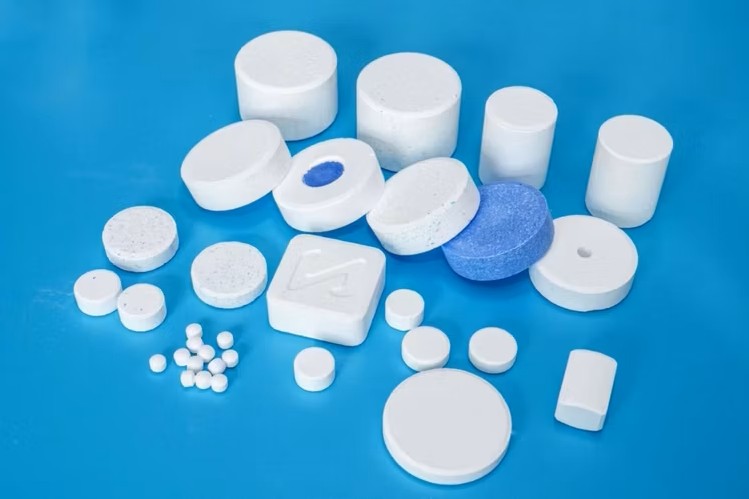
TCCA Wholesale Prices: Save on Municipal Water Supply Disinfection
Introduction
Municipal water supply disinfection remains one of the most critical challenges for water treatment facilities worldwide. As communities grow and water quality standards become increasingly stringent, finding cost-effective and reliable disinfection solutions is paramount. Trichloroisocyanuric Acid (TCCA) has emerged as a leading choice for municipal water treatment operations seeking to balance efficacy, safety, and budget considerations.
This comprehensive guide explores TCCA wholesale pricing structures, application benefits for municipal water supply systems, and strategic sourcing approaches that can help water treatment facilities optimize their disinfection budgets while maintaining the highest safety standards.
Understanding TCCA for Municipal Water Disinfection
What is TCCA?
Trichloroisocyanuric Acid (TCCA), with CAS number 87-90-1 and molecular formula C₃Cl₃N₃O₃, is a powerful organic chlorine compound widely recognized for its exceptional disinfection capabilities. This white crystalline powder contains approximately 90% available chlorine, making it one of the most concentrated chlorine-based disinfectants available in the market today.
TCCA works by slowly releasing hypochlorous acid when dissolved in water, providing sustained disinfection action that effectively eliminates bacteria, viruses, fungi, and other harmful microorganisms. Its stable chemical structure ensures longer shelf life and more predictable dosing compared to traditional liquid chlorine solutions.
Key Advantages for Municipal Applications
Municipal water treatment facilities choose TCCA for several compelling reasons:
Superior Disinfection Efficiency: With available chlorine content exceeding 90%, TCCA delivers powerful microbial control at lower dosages compared to sodium hypochlorite or calcium hypochlorite alternatives.
Extended Residual Protection: The slow-release mechanism provides lasting disinfection throughout water distribution networks, ensuring safe drinking water reaches end consumers.
Stable Storage Characteristics: TCCA maintains its potency for extended periods when stored properly, reducing waste and inventory management challenges.
Cost-Effective Operations: Lower transportation costs due to high concentration and reduced handling requirements translate to significant operational savings.
TCCA Wholesale Price Analysis 2026
Current Market Pricing Trends
The TCCA wholesale market in 2026 reflects dynamic pricing influenced by raw material costs, production capacity, and regional demand fluctuations. Based on current market data, wholesale prices typically range between $1,100 to $1,500 USD per metric ton for standard grade TCCA (90% available chlorine), depending on order volume and contract terms.
Factors Influencing Wholesale Prices
Several key elements impact TCCA pricing structures:
Order Volume: Bulk purchases exceeding 20 metric tons typically qualify for preferential pricing tiers, with discounts ranging from 5% to 15% compared to standard wholesale rates.
Purity Specifications: Premium grade TCCA (99% purity) commands higher prices but may be necessary for specific municipal applications requiring ultra-low impurity levels.
Packaging Options: Standard 25kg bags represent the most economical packaging choice for large-scale municipal operations, while specialized packaging solutions may incur additional costs.
Delivery Terms: FOB pricing offers the lowest base cost, while CIF arrangements include shipping and insurance, providing predictable landed costs for budget planning.
Seasonal Demand: Peak summer months often see increased demand for water treatment chemicals, potentially affecting availability and pricing.
Strategic Sourcing Recommendations
To maximize value when purchasing TCCA for municipal water supply disinfection, consider these proven strategies:
- Establish Long-Term Contracts: Annual or multi-year supply agreements often secure better pricing and guarantee consistent availability.
- Compare Multiple Suppliers: Obtain quotes from at least three qualified manufacturers to ensure competitive pricing and verify quality certifications.
- Plan Ahead for Inventory: Maintaining adequate stock levels prevents emergency purchases at premium prices during supply disruptions.
- Verify Quality Certifications: Ensure suppliers meet ISO 9001 standards and provide comprehensive quality documentation including COA and MSDS.
Implementation Best Practices for Municipal Water Systems
Proper Dosing Calculations
Accurate dosing is essential for effective disinfection while minimizing chemical costs. Typical TCCA dosing for municipal water treatment ranges from 1 to 5 mg/L depending on water quality parameters, contamination levels, and residual chlorine requirements.
Water treatment operators should conduct regular water quality testing to adjust dosing rates based on:
- Source water quality variations
- Temperature fluctuations
- Distribution system length
- Required residual chlorine levels at delivery points
Safety and Handling Protocols
TCCA requires careful handling to ensure worker safety and product integrity:
Storage Requirements: Store in cool, dry, well-ventilated areas away from incompatible materials including ammonia, amines, and organic compounds.
Personal Protective Equipment: Operators must wear appropriate PPE including chemical-resistant gloves, safety goggles, and respiratory protection when handling TCCA.
Emergency Procedures: Establish clear protocols for spill response, exposure incidents, and fire safety specific to TCCA characteristics.
Regulatory Compliance Considerations
Municipal water facilities must ensure TCCA usage complies with local drinking water regulations and environmental protection standards. Documentation of chemical sourcing, dosing records, and water quality monitoring results should be maintained for regulatory audits.
Cost-Benefit Analysis: TCCA vs. Alternative Disinfectants
When evaluating disinfection options, municipal operators should consider total cost of ownership rather than just purchase price:
| Factor | TCCA | Liquid Chlorine | Calcium Hypochlorite |
|---|---|---|---|
| Available Chlorine | 90% | 10-15% | 65-70% |
| Shelf Life | 2+ years | 3-6 months | 1-2 years |
| Transportation Cost | Low | High | Medium |
| Dosing Precision | High | Medium | High |
| Storage Space | Minimal | Significant | Moderate |
This comparison demonstrates TCCA’s superior value proposition for municipal applications requiring reliable, long-term disinfection solutions.
Conclusion
TCCA represents an outstanding choice for municipal water supply disinfection, combining exceptional efficacy with competitive wholesale pricing. By understanding market dynamics, implementing strategic sourcing approaches, and following best practices for application and safety, water treatment facilities can achieve significant cost savings while maintaining the highest water quality standards.
As water quality regulations continue to evolve and operational budgets face increasing pressure, TCCA’s proven track record and favorable economics position it as a smart investment for forward-thinking municipal water operations. Partner with qualified suppliers who can provide consistent quality, reliable delivery, and technical support to maximize your water treatment program’s success.
Frequently Asked Questions (FAQ)
Q1: What is the typical shelf life of TCCA for municipal water treatment?
A: When stored properly in cool, dry conditions away from moisture and incompatible materials, TCCA maintains its effectiveness for 24 months or longer. Regular quality testing is recommended for inventory exceeding 18 months.
Q2: How does TCCA compare to chlorine gas for municipal applications?
A: TCCA offers significant safety advantages over chlorine gas, eliminating risks associated with gas leaks and specialized containment requirements. While initial chemical costs may be higher, reduced safety infrastructure and handling requirements often result in lower total operational costs.
Q3: What minimum order quantities qualify for wholesale pricing?
A: Most suppliers offer wholesale pricing starting at 1 metric ton, with optimal pricing tiers typically beginning at 10-20 metric tons. Contact suppliers directly for specific volume discount structures.
Q4: Can TCCA be used in combination with other water treatment chemicals?
A: TCCA can be integrated into comprehensive water treatment programs, but compatibility testing is essential. Never mix TCCA with ammonia, amines, or reducing agents due to potential hazardous reactions.
Q5: What certifications should I verify when selecting a TCCA supplier?
A: Look for ISO 9001 quality management certification, REACH compliance (for European markets), and comprehensive product documentation including Certificate of Analysis (COA) and Material Safety Data Sheet (MSDS).
Q6: How do I calculate the correct TCCA dosage for my municipal water system?
A: Dosage calculations should be based on water flow rate, required residual chlorine levels, and source water quality. Consult with water treatment specialists or supplier technical teams for system-specific recommendations.
For more information about TCCA wholesale solutions and municipal water treatment applications, visit our contact page to connect with our technical team. https://envochemical.com/contact-us/
