
Here is a professional, SEO-optimized blog post tailored for a B2B chemical industry audience, written in English as requested.
TCCA Wholesale Prices: Save on Pharmaceutical Disinfection
Introduction
In the pharmaceutical and healthcare industries, maintaining a sterile environment is not just a standard; it is a legal and ethical imperative. The cost of raw materials directly impacts the operational efficiency and profit margins of manufacturers. One of the most potent weapons in the arsenal against microbial contamination is Trichloroisocyanuric Acid (TCCA). However, for bulk buyers and industrial users, securing TCCA wholesale prices that balance cost-efficiency with high-grade quality is often a challenge.
This article explores how businesses can save on pharmaceutical disinfection by leveraging bulk purchasing strategies, understanding the chemical’s efficacy, and sourcing directly from specialized manufacturers. We will delve into the science behind TCCA, its critical role in GMP (Good Manufacturing Practice) environments, and how to optimize your procurement budget.
1. Understanding TCCA: The Gold Standard in Chlorine Disinfection
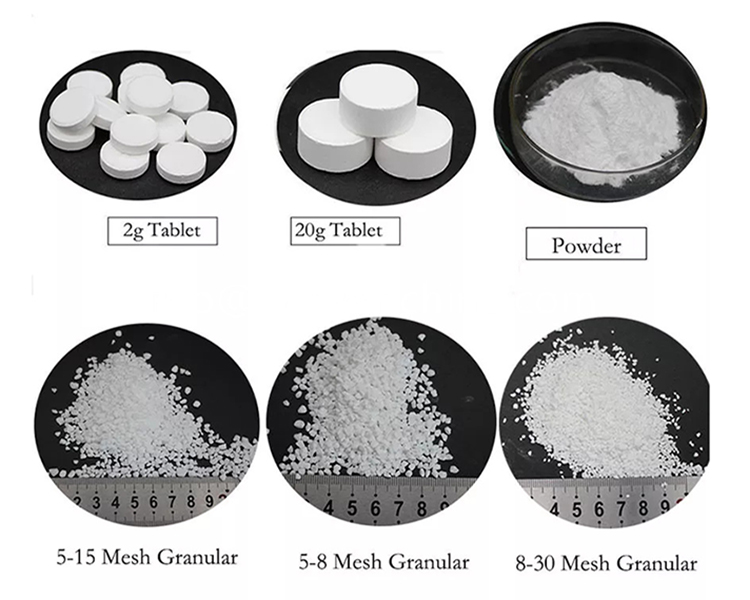
Trichloroisocyanuric Acid (TCCA) is an organic chlorine compound renowned for its high available chlorine content (typically 90% min). Unlike traditional sodium hypochlorite, TCCA offers superior stability and a longer shelf life, making it the preferred choice for pharmaceutical water treatment and surface disinfection.
1.1 The Chemistry of Safety TCCA works by slowly releasing hypochlorous acid (HOCl) in water, which penetrates the cell walls of bacteria, viruses, and algae. Its granular or tablet form allows for precise dosing, ensuring that pharmaceutical cleanrooms and water systems meet stringent regulatory requirements without the volatility associated with liquid chlorine.
1.2 Why TCCA for Pharma? Pharmaceutical facilities require disinfectants that are effective against a broad spectrum of pathogens while being non-corrosive to equipment. TCCA fits this niche perfectly. It is highly soluble in water and leaves minimal residue, ensuring that production lines do not suffer from downtime due to corrosion or contamination.
2. The Economics of Bulk: TCCA Wholesale Prices
For B2B clients, the primary concern is often the bottom line. Buying in bulk is the most effective strategy to reduce the unit cost of chemical procurement.
2.1 Breaking Down the Cost Structure When you purchase TCCA in large quantities (typically measured in metric tons), you benefit from economies of scale. Manufacturers can reduce the cost per unit by optimizing production runs and reducing packaging waste. This saving is then passed on to the client.
- Wholesale vs. Retail: Retail prices for TCCA can be volatile and often include markups from multiple distributors. By sourcing directly from a manufacturer, businesses can cut out the middleman and access prices that are significantly lower.
- Logistics Efficiency: Bulk shipments reduce the cost of transportation per ton. Consolidating orders into Full Container Loads (FCL) minimizes freight costs, which is a significant component of the total landed cost.
2.2 Long-Term Contracts and Stability Engaging in long-term supply agreements with a reliable manufacturer ensures price stability. In a volatile market, locking in TCCA wholesale prices for 6 or 12 months protects your business from sudden spikes in raw material costs.
3. Applications in Pharmaceutical Disinfection
TCCA is not a one-trick pony; it is a versatile solution for various disinfection needs within the pharmaceutical sector.
3.1 Sterilization of Production Equipment In pharmaceutical manufacturing, every piece of equipment must be sterilized regularly. TCCA solutions are used to clean tanks, pipes, and filling lines. Its ability to kill spores and biofilm makes it indispensable for preventing cross-contamination between batches.
3.2 Water Purification Systems Pharmaceutical-grade water (WFI – Water For Injection and Purified Water) systems require regular sanitization. TCCA is used to shock-treat these systems, ensuring that the water remains free from microbial load, which is critical for drug formulation.
3.3 Environmental Surface Disinfection From cleanroom floors to laboratory benches, TCCA-based solutions are used to disinfect surfaces. Its granular form allows for easy preparation of high-concentration solutions suitable for deep cleaning.
4. How to Save on Your Pharmaceutical Disinfection Budget
Saving money does not mean compromising on quality. Here are actionable strategies to reduce your disinfection costs:
4.1 Source Directly from the Source Cutting out distributors is the single most effective way to reduce costs. Manufacturers who specialize in water treatment chemicals often have dedicated R&D departments that can tailor the TCCA formulation to your specific needs (e.g., specific granule size or stabilizer content), often at a lower price point than generic retail products.
4.2 Optimize Your Usage Overuse of disinfectants is a hidden cost. Work with a technical team to determine the exact concentration required for your application. TCCA is highly potent; using a 1% solution where a 0.5% solution suffices is simply throwing money away.
4.3 Consider Packaging Efficiency Bulk packaging (such as 50kg drums or bulk bags) reduces the cost of disposal and handling. It also minimizes the risk of spillage and contamination compared to smaller containers.
5. Choosing the Right Partner: Quality and Reliability
When dealing with pharmaceutical disinfection, reliability is paramount. You need a supplier that guarantees consistency in every batch.
5.1 R&D Capabilities A manufacturer with strong Research and Development capabilities can provide technical data sheets, safety data sheets (SDS), and support in case of regulatory audits. They can also assist in troubleshooting if a disinfection protocol fails.
5.2 Global Logistics Pharmaceutical supply chains are global. A partner with robust logistics networks can ensure that your order arrives on time, every time, preventing costly production halts.
Conclusion
In the competitive landscape of pharmaceutical manufacturing, every dollar saved on operational costs contributes to the bottom line. By focusing on TCCA wholesale prices and sourcing directly from specialized manufacturers, businesses can achieve significant savings without compromising on the sterility and safety of their products.
Investing in high-quality TCCA is not an expense; it is an investment in patient safety and operational excellence. By understanding the market and partnering with the right chemical supplier, you can ensure that your disinfection protocols are both effective and economical.
FAQ: Frequently Asked Questions
Q1: What is the typical available chlorine content in industrial-grade TCCA? A1: Industrial and pharmaceutical-grade TCCA typically has an available chlorine content of 90% minimum. High-purity grades can reach up to 93-95%.
Q2: How does TCCA compare to Sodium Hypochlorite for disinfection? A2: TCCA is more stable and has a longer shelf life than Sodium Hypochlorite (liquid bleach). It is also easier to transport and store in solid form, and it does not degrade as quickly under UV light or high temperatures.
Q3: What are the standard packaging options for wholesale TCCA? A3: Wholesale TCCA is commonly packed in 50kg plastic drums, 25kg bags, or in bulk (e.g., 1000kg jumbo bags) for large-scale industrial users.
Q4: Is TCCA safe for use in drinking water systems? A4: Yes, TCCA is approved for use in drinking water treatment and swimming pools. However, in pharmaceutical applications, strict adherence to dosage guidelines is required to prevent toxicity.
Q5: Can TCCA be used for both surface and water disinfection? A5: Absolutely. TCCA is a versatile biocide used for both aqueous systems (cooling towers, water lines) and surface disinfection (floors, walls, and equipment).
Ready to optimize your disinfection costs? Contact our technical team today to discuss bulk pricing and tailored solutions for your pharmaceutical facility.
