
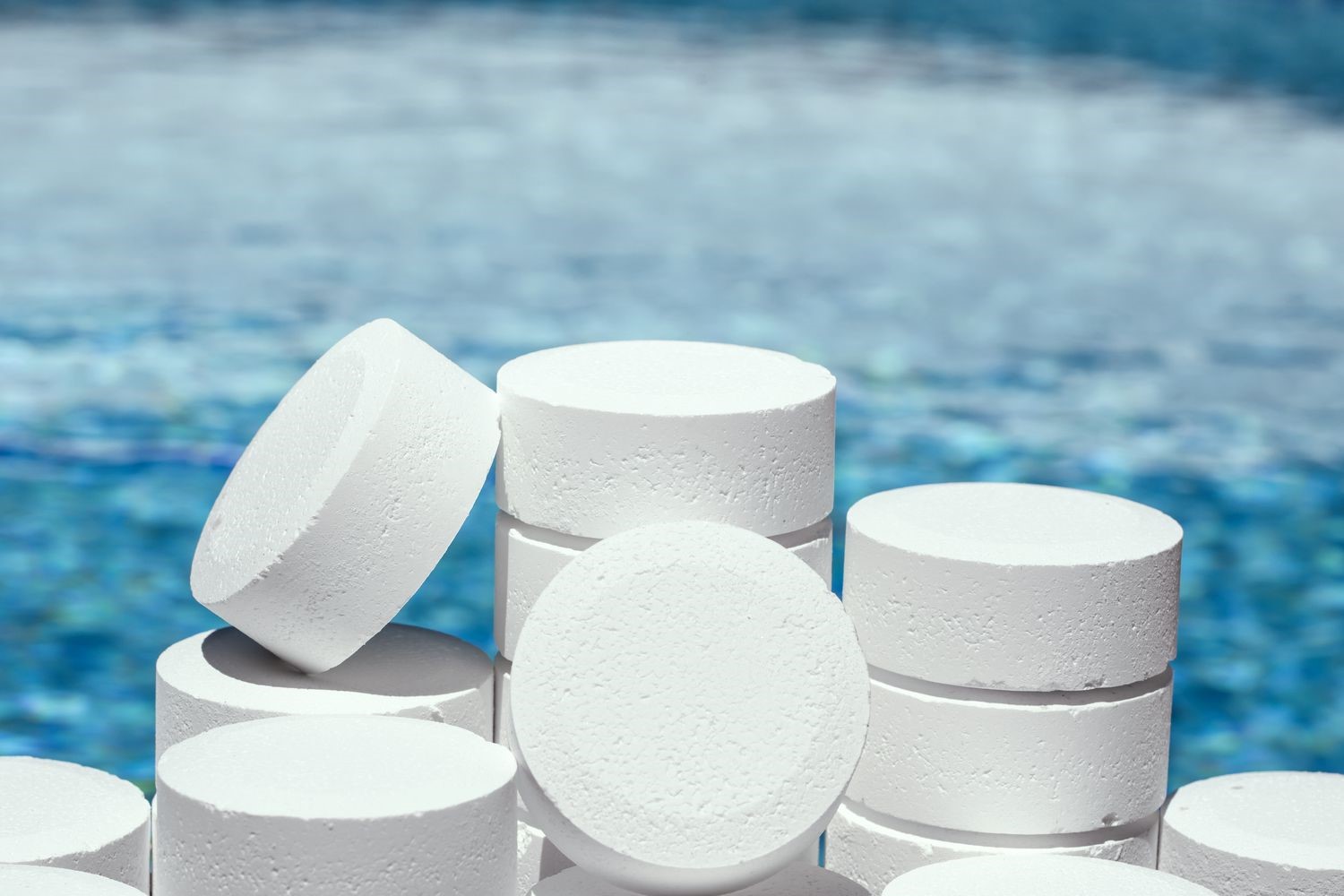
Top Calcium Hypochlorite Manufacturers: Fast Delivery Options for B2B Buyers
Introduction
In the global water treatment and disinfection industry, calcium hypochlorite stands as one of the most critical chemical compounds for maintaining public health standards and industrial hygiene. As we advance into 2026, B2B buyers face increasing pressure to secure reliable supply chains that combine product quality, regulatory compliance, and rapid delivery capabilities. This comprehensive technical guide examines the landscape of leading calcium hypochlorite manufacturers, their production capabilities, technical specifications, and logistics solutions designed for commercial buyers seeking dependable partnerships.
Calcium hypochlorite (Ca(ClO)₂), CAS Number 7778-54-3, remains the preferred oxidizing agent for swimming pool sanitation, municipal water treatment, industrial bleaching processes, and emergency drinking water disinfection. With available chlorine content ranging from 65% to 70%, this compound offers superior stability compared to liquid chlorine alternatives while maintaining cost-effectiveness for large-scale operations.
Understanding Calcium Hypochlorite: Technical Fundamentals
Chemical Composition and Properties
Calcium hypochlorite is an inorganic compound characterized by its strong oxidizing properties and high available chlorine content. The technical grade material typically presents as white granular powder, tablets, or lumps with distinct chlorine odor. Key physicochemical properties include:
| Property | Specification |
|---|---|
| Molecular Formula | Ca(ClO)₂ |
| Molecular Weight | 142.98 g/mol |
| CAS Number | 7778-54-3 |
| EINECS Number | 231-908-7 |
| UN Number | 2880 |
| Hazard Class | 5.1 (Oxidizing Substance) |
| HS Code | 28281000 |
| pH Value (5% Solution) | 11.5 ± 0.5 |
| Melting Point | 100°C (decomposition) |
| Available Chlorine | 65%-70% (technical grade) |
| Moisture Content | ≤ 5.0% |
| Bulk Density | 0.8-1.2 g/cm³ |
Grade Classifications
Manufacturers produce calcium hypochlorite in multiple grades to serve diverse application requirements:
Technical Grade (65%-70% Available Chlorine)
- Primary application: Swimming pool disinfection, industrial water treatment
- Form: Granular (14-50 mesh), tablets, powder
- Packaging: 25kg drums, 50kg bags, 1000kg IBC containers
Food Grade (FCC Compliant)
- Application: Food processing equipment sanitation, drinking water treatment
- Certification: FDA, HACCP, ISO 22000, FSSC 22000
- Impurity limits: Heavy metals ≤ 10 ppm
Pharmaceutical Grade (USP/EP Compliant)
- Application: Pharmaceutical manufacturing, medical facility disinfection
- Testing: Full pharmacopoeia compliance documentation
- Traceability: Batch-specific certificates of analysis
Industry Standards and Regulatory Compliance
International Quality Certifications
Leading calcium hypochlorite manufacturers maintain comprehensive quality management systems aligned with international standards:
ISO 9001:2015 Quality Management
- Demonstrates consistent production processes
- Ensures traceability from raw materials to finished products
- Requires documented quality control procedures at each manufacturing stage
ISO 14001:2015 Environmental Management
- Addresses environmental impact of production processes
- Ensures proper waste management and emission controls
- Critical for buyers with sustainability procurement requirements
REACH Compliance (European Union)
- Registration, Evaluation, Authorization of Chemicals
- Mandatory for all calcium hypochlorite imports into EU markets
- Requires submission of safety data sheets and chemical safety reports
EPA Guidelines (United States)
- Compliance with Federal Insecticide, Fungicide, and Rodenticide Act (FIFRA)
- Drinking water treatment applications must meet EPA disinfection byproduct regulations
- Emergency disinfection protocols follow EPA Emergency Disinfection of Drinking Water guidelines
Testing Standards
ASTM D1253-14(2021)e1
- Standard Test Method for Residual Chlorine in Water
- Direct current titration method for available chlorine determination
- Ensures accurate measurement of active chlorine content in treated water
ASTM D1129
- Standard Terminology Relating to Water
- Provides standardized vocabulary for water treatment documentation
WHO Guidelines for Drinking-water Quality
- Maximum residual disinfectant concentration: 5 mg/L for chlorine
- Contact time requirements for pathogen inactivation
- Monitoring protocols for distribution systems
Top Manufacturing Regions and Production Capabilities
Global Production Landscape
The calcium hypochlorite manufacturing industry concentrates in several key regions, each offering distinct advantages for B2B buyers:
China (Shandong, Jiangsu, Zhejiang Provinces)
- Production capacity: 500,000+ metric tons annually
- Manufacturing processes: Sodium process, calcium process
- Lead time: 15-30 days for standard orders
- Port access: Qingdao, Shanghai, Ningbo
- Price range: USD 800-1,300 per metric ton (FOB)
North America
- Production capacity: 150,000+ metric tons annually
- Primary applications: Municipal water treatment, swimming pools
- Compliance: EPA registered facilities
- Lead time: 7-14 days for domestic shipments
Europe
- Production capacity: 200,000+ metric tons annually
- Standards: REACH compliant, CE marking
- Lead time: 10-21 days depending on destination
- Quality emphasis: High-purity grades for sensitive applications
Manufacturing Process Overview
Sodium Process Method
- Chlorine gas reacts with sodium hydroxide to form sodium hypochlorite
- Sodium hypochlorite reacts with calcium chloride
- Precipitation and filtration of calcium hypochlorite
- Drying and granulation
- Quality control testing and packaging
Calcium Process Method
- Chlorine gas directly reacts with calcium hydroxide (slaked lime)
- Controlled temperature reaction (25-40°C)
- Aging period for stability enhancement
- Separation and drying
- Particle size classification
Fast Delivery Options for B2B Buyers
Supply Chain Optimization Strategies
Inventory Management Programs
- Vendor-managed inventory (VMI) arrangements
- Safety stock maintenance at regional distribution centers
- Automated reorder point systems based on consumption rates
Shipping Methods and Transit Times
| Shipping Method | Transit Time | Best For |
|---|---|---|
| Air Freight | 3-7 days | Emergency orders, small quantities |
| Sea Freight (FCL) | 25-35 days | Large volume orders, cost optimization |
| Sea Freight (LCL) | 30-40 days | Medium volume, flexible scheduling |
| Rail Transport | 15-25 days | Eurasian land bridge routes |
| Truck Delivery | 2-5 days | Regional distribution, domestic shipments |
Port of Loading Options
- Qingdao Port (China): Primary export hub for Shandong manufacturers
- Shanghai Port (China): Highest container throughput, multiple shipping lines
- Ningbo Port (China): Competitive rates, efficient customs clearance
- Rotterdam Port (Europe): EU distribution center
- Los Angeles/Long Beach (USA): West Coast North American gateway
Expedited Order Processing
Priority Production Slots
- Reserved manufacturing capacity for contracted buyers
- 48-hour order confirmation for standard specifications
- Dedicated quality control teams for rush orders
Customs Clearance Acceleration
- Pre-submitted documentation packages
- Harmonized System code verification
- Certificate of Origin preparation
- Safety Data Sheet (SDS) in destination language
Warehousing Solutions
- Bonded warehouse facilities at major ports
- Temperature-controlled storage (15-25°C recommended)
- Humidity control (< 60% relative humidity)
- Segregated storage for different grades and batch numbers
Technical Performance Data and Application Guidelines
Disinfection Efficiency Metrics
Swimming Pool Applications
- Recommended dosage: 2-5 ppm available chlorine
- Contact time: 30 minutes minimum for pathogen inactivation
- pH maintenance: 7.2-7.8 for optimal efficacy
- Stabilizer (cyanuric acid): 30-50 ppm for outdoor pools
Municipal Water Treatment
- Primary disinfection dosage: 1-3 mg/L
- Residual chlorine target: 0.2-0.5 mg/L at distribution point
- Contact time: 60 minutes minimum (CT value compliance)
- Byproduct monitoring: Trihalomethanes (TTHM) ≤ 80 μg/L
Industrial Bleaching Processes
- Textile bleaching: 5-15 g/L depending on fabric type
- Paper pulp bleaching: 2-8% available chlorine concentration
- Temperature optimization: 40-60°C for enhanced reaction rates
Stability and Storage Considerations
Degradation Factors
- Moisture absorption: Accelerates decomposition
- Temperature exposure: > 40°C significantly reduces shelf life
- Light exposure: UV radiation promotes chlorine loss
- Contamination: Organic materials trigger exothermic reactions
Recommended Storage Conditions
- Temperature: 15-25°C (optimal), maximum 40°C
- Relative humidity: < 60%
- Ventilation: Adequate air circulation required
- Separation: Keep away from organic materials, acids, and reducing agents
- Shelf life: 12-24 months under proper storage conditions
Safety Handling Requirements
- Personal protective equipment: Chemical-resistant gloves, safety goggles, face shield
- Respiratory protection: N95 or equivalent for dust exposure
- Spill containment: Non-combustible absorbent materials
- Emergency procedures: Eye wash stations, safety showers within 10 seconds access
Selecting the Right Manufacturing Partner
Evaluation Criteria for B2B Buyers
Production Capacity Assessment
- Annual output volume capability
- Ability to scale for seasonal demand fluctuations
- Multiple production line redundancy
- Raw material supply chain stability
Quality Assurance Verification
- Third-party laboratory testing reports
- Batch-specific certificates of analysis
- Quality management system audit history
- Customer reference verification
Logistics Capability Review
- Export license and documentation expertise
- Freight forwarding partnerships
- Insurance coverage for international shipments
- Track-and-trace system availability
Financial Stability Indicators
- Years in business (minimum 5 years recommended)
- Credit ratings and financial statements
- Payment term flexibility
- Currency hedging options for international transactions
Contract Negotiation Considerations
Pricing Structures
- FOB (Free on Board): Buyer assumes freight costs from port of loading
- CIF (Cost, Insurance, Freight): Seller covers freight to destination port
- DDP (Delivered Duty Paid): Seller handles all costs to buyer’s facility
- Volume discount tiers for committed annual quantities
Quality Guarantees
- Specification tolerance ranges (± 2% for available chlorine)
- Rejection criteria and return procedures
- Replacement timelines for non-conforming shipments
- Liability limitations and insurance requirements
Delivery Commitments
- Production lead time guarantees
- On-time delivery performance metrics (target: 95%+)
- Force majeure clause definitions
- Penalty provisions for delayed shipments
Emerging Trends in Calcium Hypochlorite Manufacturing
Sustainability Initiatives
Green Manufacturing Practices
- Energy-efficient production processes
- Wastewater treatment and recycling systems
- Carbon footprint reduction targets
- Renewable energy integration in manufacturing facilities
Packaging Innovations
- Recyclable container materials
- Reduced plastic usage in secondary packaging
- Bulk packaging options to minimize waste
- Returnable container programs for repeat customers
Technology Advancements
Process Automation
- Real-time quality monitoring systems
- Automated packaging and palletizing
- Digital batch record keeping
- Predictive maintenance for production equipment
Product Development
- Enhanced stability formulations
- Slow-release tablet technologies
- Combination products with complementary disinfectants
- Specialized grades for emerging applications
Frequently Asked Questions (FAQ)
Q1: What is the typical lead time for calcium hypochlorite orders?
Answer: Standard lead times range from 15-30 days for manufacturing plus shipping time. Air freight adds 3-7 days, sea freight adds 25-40 days depending on destination. Expedited production slots may reduce manufacturing time to 7-10 days for qualified buyers with established contracts.
Q2: What documentation is required for international shipments?
Answer: Essential documents include Commercial Invoice, Packing List, Bill of Lading, Certificate of Origin, Safety Data Sheet (SDS), Certificate of Analysis (COA), and any destination-specific import permits. REACH registration documentation is mandatory for EU imports.
Q3: How should calcium hypochlorite be stored to maintain quality?
Answer: Store in cool, dry, well-ventilated areas at 15-25°C with relative humidity below 60%. Keep containers tightly sealed and away from organic materials, acids, and direct sunlight. Proper storage maintains product quality for 12-24 months.
Q4: What is the difference between 65% and 70% available chlorine grades?
Answer: The percentage indicates available chlorine content by weight. 70% grade provides higher disinfection efficiency per unit weight but may have slightly higher cost. Selection depends on application requirements, dosage calculations, and budget considerations.
Q5: Can calcium hypochlorite be used for drinking water treatment?
Answer: Yes, calcium hypochlorite is approved for drinking water disinfection when using food grade or NSF-certified products. Dosage must comply with local regulations (typically 1-3 mg/L), and residual chlorine levels should be monitored to ensure safety standards.
Q6: What are the main safety concerns when handling calcium hypochlorite?
Answer: Key safety concerns include: strong oxidizing properties (fire hazard with organic materials), corrosive effects on skin and eyes, chlorine gas release when mixed with acids, and heat generation during dissolution. Proper PPE, ventilation, and storage separation are essential.
Q7: How do I verify the quality of calcium hypochlorite before purchase?
Answer: Request recent Certificates of Analysis from independent laboratories, verify manufacturer certifications (ISO 9001, etc.), review third-party audit reports, and consider ordering sample quantities for your own testing before committing to large volumes.
Q8: What payment terms are commonly offered by manufacturers?
Answer: Standard terms include T/T (Telegraphic Transfer) with 30% deposit and 70% before shipment, L/C (Letter of Credit) for larger orders, and D/P (Documents against Payment) for established relationships. Credit terms may be available for qualified long-term partners.
Q9: Are there seasonal price fluctuations in the calcium hypochlorite market?
Answer: Yes, prices typically increase during peak swimming pool season (spring/summer in Northern Hemisphere) and may decrease during off-season periods. Raw material costs (chlorine, calcium) and energy prices also influence market pricing throughout the year.
Q10: What should I do if a shipment arrives with quality issues?
Answer: Document the issue with photographs and test results, notify the supplier immediately (typically within 7 days of receipt), retain samples for independent testing, and follow the dispute resolution procedures outlined in your purchase contract. Reputable suppliers will offer replacement or credit for verified quality defects.
Conclusion
Selecting the right calcium hypochlorite manufacturer requires careful evaluation of technical capabilities, quality certifications, logistics infrastructure, and commercial terms. B2B buyers who prioritize comprehensive due diligence, establish clear communication channels, and develop long-term partnerships with qualified suppliers will secure reliable access to this essential disinfection chemical while optimizing total cost of ownership.
The global calcium hypochlorite market continues to evolve with enhanced manufacturing processes, improved quality standards, and more sophisticated supply chain solutions. By understanding the technical fundamentals, regulatory requirements, and delivery options outlined in this guide, commercial buyers can make informed decisions that support their operational objectives and maintain compliance with applicable health and safety standards.
For detailed product specifications, current pricing, and customized supply solutions, qualified B2B buyers are encouraged to reach out to verified manufacturers directly to discuss their specific requirements and establish productive business relationships.
