
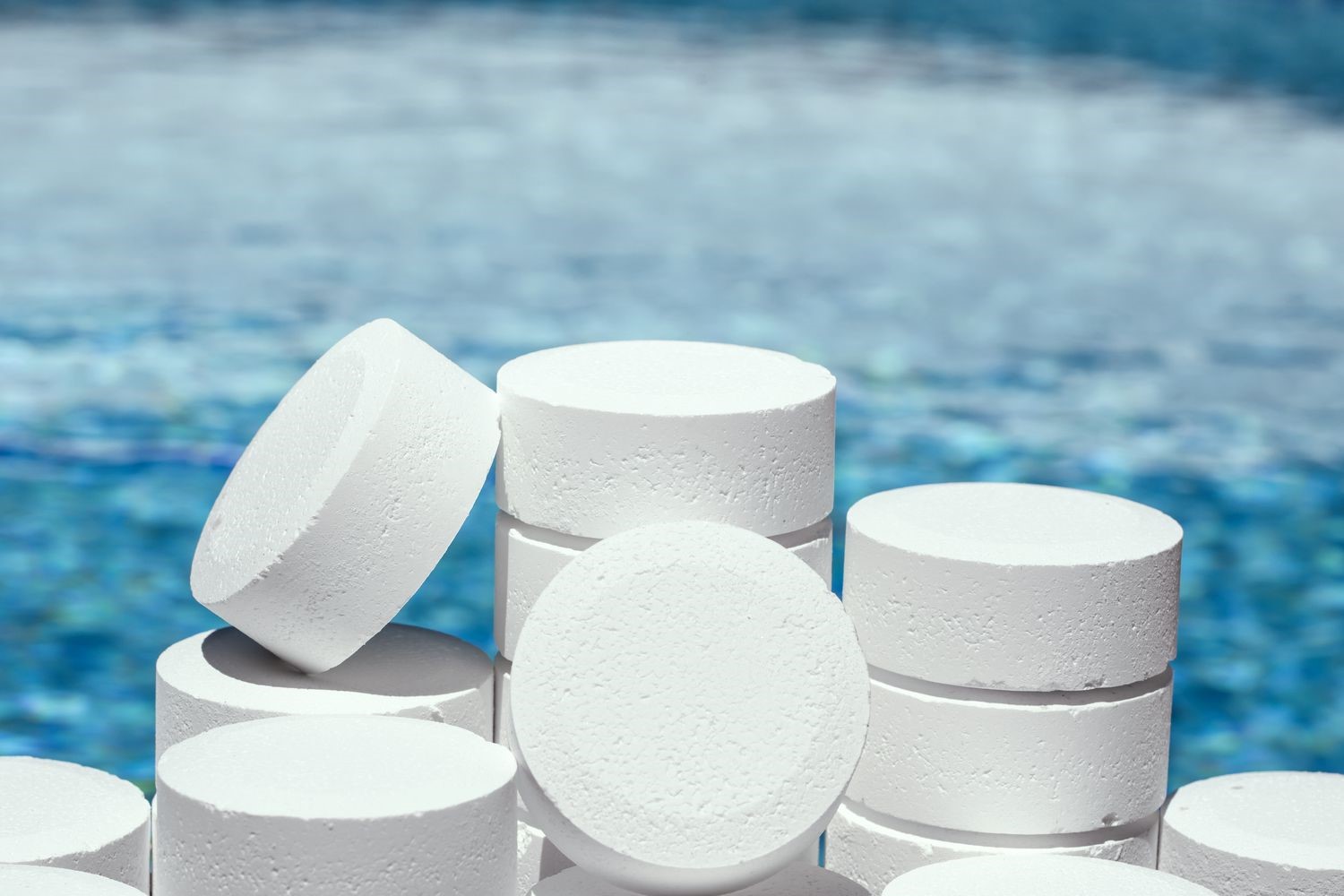
Here is a high-quality, SEO-optimized article tailored for B2B buyers in the water treatment industry, written from the perspective of a seasoned industry expert.
Top TCCA Manufacturers: Stable Chlorine Release Options for B2B Buyers
Author: Robert Henderson
In the complex world of industrial water management, finding a disinfectant that balances potency, safety, and longevity is a constant challenge. As a B2B buyer or plant manager, you are likely under immense pressure to maintain strict hygiene standards while simultaneously managing operational costs and safety compliance.
For decades, the industry has relied on liquid chlorine or gas, but these options often come with volatility and handling risks. Enter Trichloroisocyanuric Acid (TCCA). If you are looking for a solid, stable, and highly effective chlorinating agent, you are not alone. This article dives deep into why TCCA is becoming the gold standard for professional applications and how to identify the top TCCA manufacturers who can guarantee the quality your business demands.
Why TCCA is the Preferred Choice for Industrial Applications
As a buyer, your primary concern is reliability. You need a product that works consistently, regardless of the season or the water temperature. TCCA offers a distinct advantage over other chlorinating agents due to its unique chemical structure.
1. Stability and Long Shelf Life Unlike liquid bleach, which degrades rapidly under sunlight and high temperatures, TCCA is a solid organic chlorine compound. This physical state allows it to release chlorine slowly and steadily. For industrial buyers, this means:
- Reduced Waste: No rapid off-gassing or evaporation.
- Safer Storage: No risk of leaks or corrosive fumes associated with liquid acids.
- Consistent Performance: The slow release ensures a residual effect, keeping water sanitized for longer periods without constant re-dosing.
2. High Available Chlorine Content TCCA typically contains 90% available chlorine, significantly higher than Sodium Hypochlorite (liquid bleach). This high concentration means you need to purchase, transport, and store less material to achieve the same sanitizing effect. For B2B logistics, this translates directly into lower freight costs and a smaller warehouse footprint.
3. Versatility Across Sectors From municipal wastewater treatment to the food and beverage industry, TCCA’s versatility is unmatched. It is effective against a broad spectrum of pathogens, including bacteria, algae, and viruses, making it a staple for:
- Swimming Pools & Spas: Maintaining crystal-clear water.
- Drinking Water Systems: Emergency disinfection and biofilm control.
- Industrial Cooling Towers: Preventing Legionella outbreaks.
Identifying Top-Tier TCCA Manufacturers: What to Look For
As a procurement specialist, you know that not all TCCA is created equal. The market is flooded with manufacturers, but only a select few meet the rigorous standards required for professional use. When evaluating suppliers, focus on these three pillars:
1. Purity and Formulation Standards
The best manufacturers prioritize purity. Look for suppliers who adhere to international standards such as GB 1607-2011 or ISO 9001. High-purity TCCA should have a low moisture content and a high active chlorine percentage. Impurities can lead to scaling in your equipment or reduced efficacy, costing you more in the long run.
2. Advanced R&D Capabilities
A manufacturer that merely follows recipes is not a partner; they are a vendor. The top TCCA manufacturers invest heavily in Research and Development (R&D). They don’t just make standard tablets; they engineer solutions. For instance, do they offer specialized formulations for high-hardness water? Can they adjust the dissolution rate to suit your specific equipment? A strong R&D background indicates a company that can solve your unique problems, not just ship a commodity.
3. Vertical Integration
The most reliable supply chains are vertically integrated. This means the manufacturer controls the production process from raw material sourcing to the final packaging. Vertical integration ensures consistent quality control and prevents supply chain bottlenecks—a critical factor for B2B buyers who cannot afford to halt production due to chemical shortages.
Applications: Matching the Product to Your Need
To get the most value from your purchase, you must match the TCCA format to your specific application. As a buyer, understanding these nuances ensures you select the right product for your operational needs.
| TCCA Form | Typical Use Case | Buyer’s Note |
|---|---|---|
| 200g Tablets | Large Commercial Pools & Spas | Requires specific erosion feeders; slow dissolution. |
| 10g-20g Tablets | Municipal Water Systems | Ideal for precise dosing in drinking water treatment. |
| Granular Powder | Emergency Disinfection | Fast-dissolving; used for shock treatments and outbreak control. |
| Stick/Bar Form | Industrial Cooling Towers | Designed for specific skid-mounted feed systems. |
Table 1: TCCA Product Formats and Industrial Applications
The Cooling Tower Challenge One of the most critical applications for B2B buyers is in Cooling Water Treatment. Cooling towers are notorious breeding grounds for Legionella bacteria. TCCA acts as a powerful biocide, penetrating the biofilm that protects these bacteria. When sourcing TCCA for this purpose, ensure the manufacturer provides products with a low pH impact to avoid damaging your heat exchangers.
The Supply Chain Advantage
In today’s global market, delivery times and logistics are as important as the product itself. Top manufacturers understand this and offer robust Delivery and Logistics Services.
For a B2B buyer, this means:
- Global Coverage: Whether your facility is in Europe, North America, or Asia, the supplier should have a network to deliver your goods quickly and safely.
- Packaging Options: From 50kg drums to bulk bags, the packaging must be designed to prevent moisture absorption during long sea voyages.
- Technical Support: The best manufacturers don’t just ship chemicals; they provide technical data sheets (TDS), safety data sheets (SDS), and direct access to technical staff who can troubleshoot application issues.
When you partner with a manufacturer that integrates production, R&D, and sales, you gain a competitive edge. You are not just buying a disinfectant; you are buying peace of mind.
Conclusion
Selecting the right TCCA manufacturer is a strategic decision that impacts your entire operation’s safety and efficiency. Do not settle for generic suppliers. Look for companies that demonstrate a commitment to high-purity standards, possess strong R&D capabilities to handle unique challenges, and offer reliable global logistics.
By focusing on these factors, you can secure a stable chlorine release solution that meets your industrial needs without compromising on quality or safety.
If you are ready to optimize your water treatment process with high-performance TCCA, it is time to contact a technical expert. We look forward to working with you to find the perfect solution for your operation.
Contact Us for More Information on TCCA Solutions
Frequently Asked Questions (FAQ)
Q1: What is the main advantage of using TCCA over liquid chlorine? The primary advantage is stability. TCCA is a solid compound with a high available chlorine content (approx. 90%). Unlike liquid chlorine, it does not degrade rapidly under sunlight or high temperatures. This allows for a slow, steady release of chlorine, providing a longer residual effect in water systems and reducing the frequency of dosing required.
Q2: How should TCCA be stored to maintain its effectiveness? TCCA must be stored in a cool, dry, and well-ventilated area. It is crucial to keep it away from direct sunlight and moisture, as it is hygroscopic (absorbs moisture from the air). Moisture can cause the tablets to crumble or the powder to cake, reducing their effectiveness and potentially causing handling hazards. Always store it separately from acids and ammonia.
Q3: Is TCCA safe for drinking water treatment? Yes, TCCA is approved for use in potable (drinking) water treatment in many regions, typically for emergency disinfection or shock treatment. However, it introduces Cyanuric Acid (CYA) into the water, which acts as a stabilizer but must be monitored to prevent over-stabilization. Buyers must ensure the specific TCCA product meets the regulatory standards (such as NSF/ANSI standards) for drinking water applications in their jurisdiction.
Q4: What safety precautions should B2B buyers be aware of? While TCCA is safer to handle than chlorine gas, it is still a strong oxidizer. Buyers should ensure their staff uses appropriate Personal Protective Equipment (PPE), including gloves and safety goggles. It is vital to avoid mixing TCCA with acids, as this can produce toxic chlorine gas. Always refer to the Safety Data Sheet (SDS) provided by the manufacturer for specific handling guidelines.
