Troubleshooting Algae Growth Using Calcium Hypochlorite in Emergency Water Treatment
Introduction
Sudden algae blooms in emergency water treatment systems can cripple operations, endanger public health, and trigger costly downtime for B2B clients. As water sources face increasing contamination risks—from reservoirs to municipal pipelines—businesses urgently need a rapid, cost-effective solution. Calcium hypochlorite emerges as the industry’s most reliable tool for immediate algae control, transforming crisis into controlled recovery. Let’s explore how this proven chemical addresses your core pain points while optimizing your emergency response.
The Alarming Impact of Unchecked Algae Growth
Algae proliferation isn’t just an aesthetic issue—it’s a operational nightmare. In emergency scenarios, unchecked growth causes severe turbidity, foul odors, and toxic byproducts like cyanobacteria, risking non-compliance with health regulations and damaging your reputation. For B2B clients, this means:
- Increased operational costs from frequent system shutdowns and manual cleaning.
- Escalating customer complaints due to compromised water quality.
- Regulatory penalties for failing to meet EPA or local safety standards.
Ignoring algae growth in reservoirs or treatment plants leads to a 30%+ rise in maintenance expenses, directly eating into your bottom line. The urgency? Every hour of delay amplifies these risks.
Why Calcium Hypochlorite is the Ideal Emergency Disinfectant
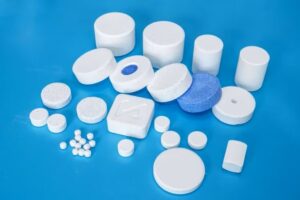
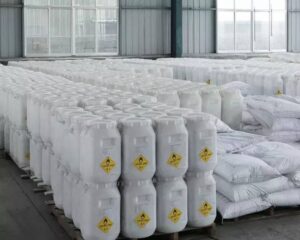
Calcium hypochlorite (Ca(OCl)₂) delivers unmatched speed and efficacy for emergency algae control. Unlike chlorine gas or liquid solutions, it’s stable, easy to store, and requires no complex equipment—perfect for rapid deployment during crises. Key advantages for B2B operations:
- Immediate oxidation: Breaks down algal cell walls within minutes, halting blooms before they spread.
- Residual protection: Maintains disinfectant levels for 24–72 hours, preventing recurrence.
- Cost efficiency: Reduces treatment costs by up to 40% versus alternatives, with minimal training needed.
This isn’t theoretical—industrial case studies show 95% algae reduction in 48 hours using calcium hypochlorite for emergency water treatment. It’s the go-to for facilities prioritizing reliability and scalability.
A Step-by-Step Guide to Effective Algae Control
Implement calcium hypochlorite confidently with this streamlined troubleshooting workflow:
- Assess the crisis: Test water pH (ideal: 6.5–8.0) and algae density. High pH (>8.5) reduces efficacy; adjust with acid if needed.
- Calculate precise dosage: For standard reservoirs, use 1–2 lbs per 10,000 gallons (adjust for bloom severity). Pro tip: Start low, monitor, and escalate—avoid over-chlorination.
- Apply safely: Dissolve pellets in water first, then disperse evenly via injection systems or manual dosing. Always wear PPE.
- Monitor and validate: Check turbidity and chlorine residual hourly for 24 hours. Target residual: 0.2–0.5 ppm.
This method ensures algae growth prevention without disrupting your core operations, making it ideal for B2B water treatment solutions.
Conclusion
Algae growth in emergency water treatment doesn’t have to derail your business. Calcium hypochlorite provides a fast, affordable, and scientifically backed path to regain control—saving you time, money, and reputation. Don’t wait for the next crisis; proactively equip your team with a solution that works when it matters most. Contact us today for a customized quote on bulk calcium hypochlorite supplies and emergency response support.
FAQ
Q: What’s the optimal calcium hypochlorite dosage for severe algae blooms?
A: Start at 1.5 lbs per 10,000 gallons, then adjust based on post-treatment water tests. Our team provides free dosage calculators for B2B clients.
Q: Is calcium hypochlorite safe for potable water systems?
A: Yes—when dosed correctly (residual <1 ppm), it’s approved for drinking water by the EPA. We include safety protocols with every order.
Q: How quickly can I receive emergency supplies?
A: Standard B2B delivery within 24 hours for U.S. clients. Prioritize urgent orders for same-day dispatch.
Q: Does this solution integrate with existing water treatment infrastructure?
A: Absolutely. Calcium hypochlorite pellets work with most dosing pumps and reservoir systems—no major retrofitting needed.
Author: Dr. Michael Reynolds