
Troubleshooting Bacterial Contamination Using Calcium Hypochlorite in Emergency Water Treatment
Introduction
Bacterial contamination in water sources represents one of the most critical public health challenges during emergency situations, including natural disasters, infrastructure failures, and unexpected pollution events. Effective and rapid response is paramount to prevent outbreaks of waterborne diseases such as cholera, typhoid, and dysentery. Among the various disinfection methods available, calcium hypochlorite has emerged as a reliable, cost-effective solution for emergency water treatment scenarios. This comprehensive guide explores the practical application of calcium hypochlorite for troubleshooting bacterial contamination, providing actionable insights for water treatment professionals seeking immediate and effective solutions.
Understanding Bacterial Contamination in Emergency Water Scenarios
Bacterial contamination typically originates from sewage overflow, agricultural runoff, animal waste, or compromised water infrastructure. Pathogens like E. coli, Salmonella, and Legionella can proliferate rapidly in untreated water, posing severe health risks. In emergency situations, traditional water treatment systems may be inoperable, necessitating immediate alternative disinfection methods. The urgency of these scenarios demands not only effective solutions but also rapid implementation with readily available materials.
Why Calcium Hypochlorite? The Ideal Emergency Disinfectant
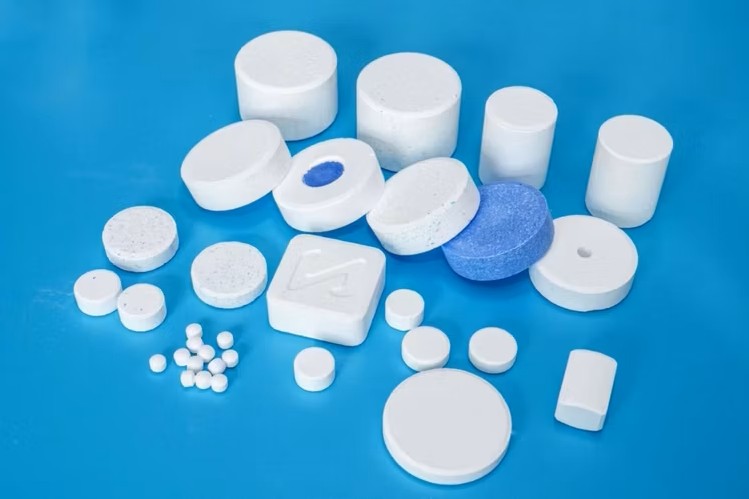
Calcium hypochlorite (Ca(OCl)₂) is a stabilized form of chlorine with significant advantages for emergency water treatment:
- Long Shelf Life: Unlike liquid chlorine solutions, calcium hypochlorite remains stable for extended periods when stored properly
- Ease of Transportation: Solid form allows for compact storage and global distribution
- High Chlorine Content: Typically contains 65-75% available chlorine, providing potent disinfection capacity
- Versatility: Effective across a wide range of water temperatures and pH levels
Compared to alternative disinfection methods like chlorine gas (requiring specialized equipment) or sodium hypochlorite (prone to degradation), calcium hypochlorite offers superior practicality for emergency response teams.
Step-by-Step Troubleshooting Protocol for Bacterial Contamination
1. Rapid Water Quality Assessment
Before implementing any treatment, conduct a quick assessment of water quality parameters including pH, turbidity, and visible contamination. This initial step informs the appropriate calcium hypochlorite dosage.
2. Dosage Calculation and Application
For effective bacterial disinfection in emergency situations:
- Standard dosage: 1-3 grams per 100 liters of water
- For heavily contaminated water: Up to 5 grams per 100 liters
- Dissolve calcium hypochlorite in a small amount of water before adding to the main water source to ensure even distribution
3. Contact Time and Mixing
- Allow minimum 30 minutes of contact time for effective disinfection
- Vigorous mixing is essential to ensure complete distribution of the disinfectant
- For large volumes, consider using a rotating container or mechanical mixer
4. Verification of Disinfection Efficacy
- After contact time, test water using simple field kits for residual chlorine
- Target residual chlorine: 0.2-0.5 mg/L for safe drinking water
- If residual is insufficient, repeat the treatment process
5. Post-Treatment Considerations
- Address any residual taste or odor by aerating the water
- Monitor water quality continuously for at least 48 hours
- Document the treatment process for future reference and quality assurance
Best Practices for Maximizing Effectiveness
Proper handling and application of calcium hypochlorite are crucial for optimal results. Store the product in a cool, dry, well-ventilated area away from direct sunlight. Always wear appropriate personal protective equipment (PPE) including gloves and eye protection when handling. For maximum effectiveness, treat water with calcium hypochlorite during daylight hours when UV radiation can assist in disinfection. The ideal pH range for calcium hypochlorite disinfection is 6.5-7.5, though it remains effective across a broader pH spectrum than many alternative disinfectants.
Real-World Success: Emergency Response Case Study
During a major flood event in Southeast Asia, a local water treatment facility faced severe bacterial contamination due to sewage system breaches. Emergency response teams deployed calcium hypochlorite for immediate water disinfection. By implementing the protocol described above, they successfully restored safe drinking water within 24 hours, preventing a potential public health crisis. The cost-effectiveness and ease of implementation made calcium hypochlorite the preferred choice for this emergency response.
Frequently Asked Questions
Q: What is the recommended dosage of calcium hypochlorite for bacterial disinfection in emergency water treatment?
A: The standard dosage is 1-3 grams per 100 liters of water, increasing to 5 grams per 100 liters for heavily contaminated sources. Always verify with field testing.
Q: How long should water be treated with calcium hypochlorite before consumption?
A: Minimum contact time is 30 minutes at room temperature. For maximum safety, allow 60-90 minutes, especially in cooler conditions.
Q: Can calcium hypochlorite be used for all types of water sources?
A: Yes, it’s effective for surface water, groundwater, and even brackish water sources. However, high turbidity may require pre-filtration for optimal results.
Q: What are the safety precautions when handling calcium hypochlorite?
A: Always wear protective gloves and eye protection. Store away from organic materials and acids. Never mix with other chemicals. Work in well-ventilated areas.
Q: How does calcium hypochlorite compare to other disinfection methods in emergency situations?
A: Calcium hypochlorite offers superior stability, easier storage, and lower logistical requirements compared to chlorine gas or liquid sodium hypochlorite, making it the preferred choice for emergency responders.
Partner with Industry Leaders in Water Treatment Solutions
When emergency water treatment is critical, partnering with a reliable supplier of high-quality water treatment chemicals makes all the difference. ENVO CHEMICAL stands as a global leader in water treatment chemicals, providing innovative solutions for bacterial contamination and other water quality challenges. With over 30 years of expertise in R&D, manufacturing, and global distribution, ENVO CHEMICAL serves water treatment professionals across 200+ countries, delivering consistent, high-performance products that meet the most stringent quality standards.
Our comprehensive portfolio includes specialized calcium hypochlorite formulations designed for emergency water treatment, ensuring optimal disinfection efficacy and safety. We offer technical support, customized solutions, and rapid global delivery to meet your emergency response needs.
For businesses seeking reliable, high-quality water treatment chemicals for bacterial contamination troubleshooting, ENVO CHEMICAL provides the expertise and products to ensure safe, effective water treatment during critical emergency situations. Contact our technical team today to discuss your specific requirements and receive a tailored solution for your emergency water treatment needs.
Contact ENVO CHEMICAL for Emergency Water Treatment Solutions
