Troubleshooting Biofilm Control Using Calcium Hypochlorite in Industrial Wastewater Treatment
Introduction
Biofilm formation in industrial wastewater treatment systems represents a significant operational challenge, leading to reduced efficiency, pipeline blockages, and increased maintenance costs. Calcium hypochlorite (Ca(OCl)₂) remains a widely adopted solution for biofilm control due to its cost-effectiveness and strong oxidizing properties. However, improper application often results in suboptimal performance. This article explores common challenges and provides actionable troubleshooting strategies for effective biofilm management using calcium hypochlorite.
Understanding Biofilm Formation and Its Impact
Biofilms develop when microorganisms adhere to surfaces and secrete extracellular polymeric substances (EPS), creating a protective matrix. In wastewater systems, this leads to:
- Reduced flow rates and increased pressure drop
- Corrosion beneath biofilm layers
- Compromised treatment efficiency
- Persistent odors and pathogen harboring
Ignoring biofilm management escalates operational costs by up to 30%, making proactive control essential for industrial facilities.
Calcium Hypochlorite: Mechanism and Application
Calcium hypochlorite works by releasing free chlorine that penetrates biofilm EPS, oxidizing microbial cells and disrupting the biofilm structure. Key benefits include:
- High chlorine content (35-40%) for potent disinfection
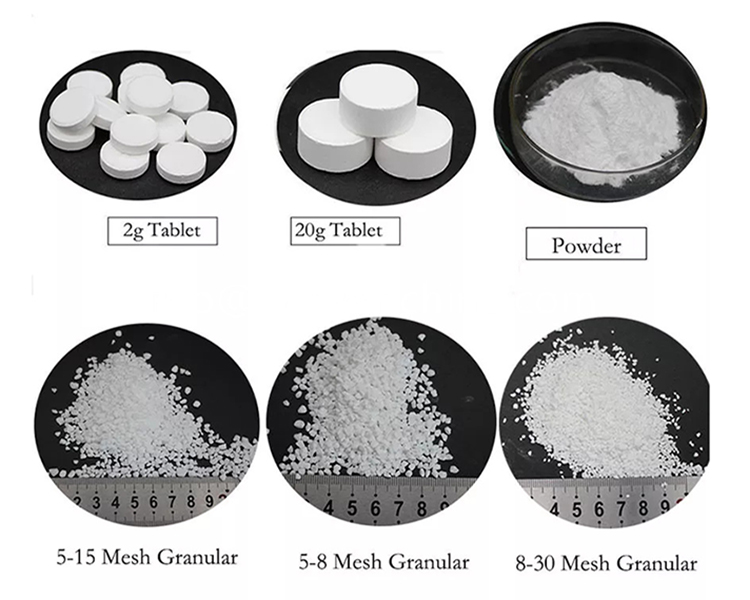
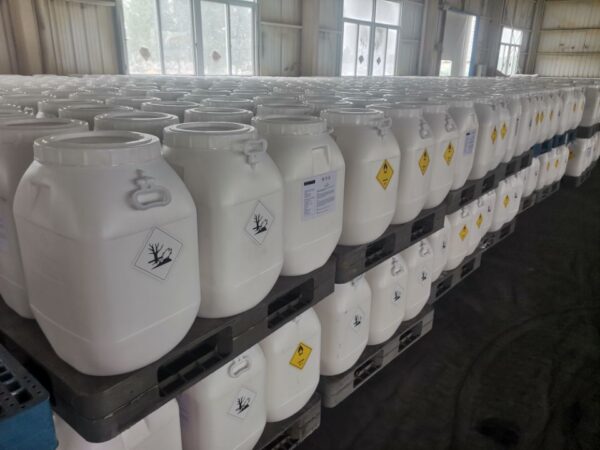
- Solid form for easy storage and handling
- Cost advantage over liquid chlorine solutions
Optimal application requires:
- Dose Optimization: 50-200 ppm residual chlorine for effective biofilm control
- pH Adjustment: Maintain pH 6.5-8.0 for maximum chlorine efficacy
- Contact Time: Ensure 30-60 minutes of contact for full penetration
Common Challenges and Effective Solutions
| Challenge | Root Cause | Troubleshooting Strategy |
|---|---|---|
| Inconsistent biofilm removal | Inadequate contact time or low dosage | Implement continuous dosing with automated feeders; verify dosage via residual chlorine monitoring |
| Corrosion issues | High chlorine concentration at low pH | Buffer pH to 7.0-7.5 using sodium bicarbonate; reduce dosage by 20% |
| Chlorine demand spikes | High organic load in wastewater | Pre-treat wastewater with coagulants to reduce organic load before hypochlorite application |
| Residual odor | Incomplete oxidation of organic matter | Increase contact time by 25% or add a secondary oxidant like hydrogen peroxide |
Optimizing Biofilm Control with Calcium Hypochlorite
For sustainable biofilm management:
- Monitor Regularly: Use online sensors for real-time chlorine residual and turbidity tracking
- Combine with Mechanical Cleaning: Schedule bi-weekly brushing or jetting for persistent biofilms
- Integrate with Biocides: Use calcium hypochlorite as a primary treatment with targeted biocides for resistant strains
This integrated approach reduces chemical usage by 25% while improving long-term system performance.
Why ENVO CHEMICAL Delivers Reliable Solutions
ENVO CHEMICAL provides specialized water treatment chemicals engineered for industrial biofilm control. Our calcium hypochlorite products feature:
- Consistent chlorine content (38-40%) for reliable dosing
- Stabilized formulations to prevent premature decomposition
- Technical support for customized dosing strategies based on your specific wastewater composition
Partner with us for tailored solutions that maximize system uptime and minimize operational costs. Our R&D capabilities ensure products meet stringent industrial standards while supporting your sustainability goals.
Frequently Asked Questions
Q: What is the recommended dosage of calcium hypochlorite for biofilm control?
A: Start at 100 ppm for initial treatment, then maintain 50 ppm for continuous control. Adjust based on system monitoring.
Q: Can calcium hypochlorite damage pipelines?
A: When used within recommended concentrations (≤200 ppm) and with pH control, corrosion risk is minimal.
Q: How does calcium hypochlorite compare to sodium hypochlorite?
A: Calcium hypochlorite offers higher chlorine content, easier storage, and reduced handling risks than liquid sodium hypochlorite.
Q: What pH range is optimal for calcium hypochlorite effectiveness?
A: 6.5-8.0. Below pH 6.5, chlorine converts to less effective hydrochloric acid; above pH 8.0, effectiveness drops significantly.
Q: How often should biofilm treatment be applied?
A: For prevention, apply weekly at 50 ppm. For active control, use daily dosing at 100 ppm until biofilm is eliminated.
Q: Does calcium hypochlorite affect downstream treatment processes?
A: Residual chlorine can impact biological treatment units. Always ensure complete dechlorination before discharge or reuse.
Maximize your wastewater treatment efficiency with proven biofilm control strategies. Contact ENVO CHEMICAL today to discuss your specific challenges and receive a customized water treatment chemical solution. Visit our contact page to initiate a consultation with our technical team.