
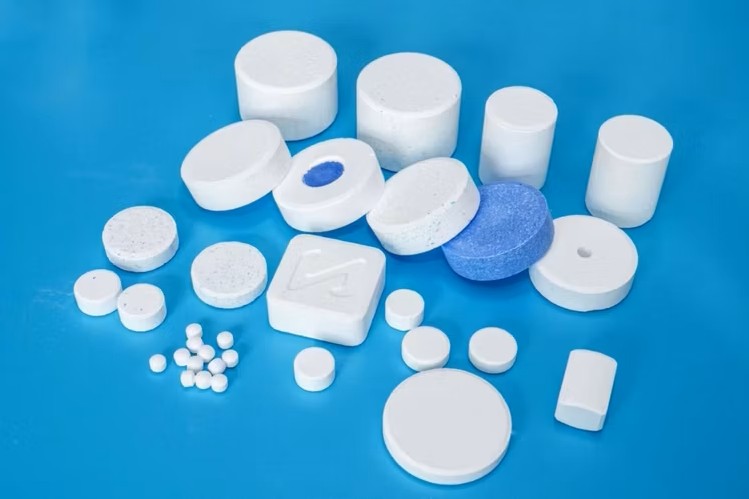
Troubleshooting Ca(OCl)2 Residual Levels in Power Plant Cooling Systems: A Comprehensive Guide
In power plant cooling systems, calcium hypochlorite (Ca(OCl)2) serves as a critical disinfectant for controlling microbial growth and preventing biofouling. However, improper management of Ca(OCl)2 residual levels can trigger a cascade of operational challenges, including accelerated corrosion, scaling, environmental compliance issues, and increased maintenance costs. This comprehensive guide explores systematic approaches to troubleshoot and optimize Ca(OCl)2 residuals, ensuring peak performance and longevity of your cooling infrastructure while meeting stringent regulatory standards.
Understanding Calcium Hypochlorite Residuals in Cooling Systems
Calcium hypochlorite remains a preferred disinfectant in power plant cooling systems due to its effectiveness in microbial control and relatively low cost. The ideal residual chlorine level typically falls within the 0.2-0.5 ppm range, though specific requirements may vary based on water chemistry, temperature, and system design. Maintaining this optimal range is crucial—levels below this threshold risk inadequate microbial control, while excessive residuals cause severe corrosion of heat exchangers, condensers, and piping systems. Furthermore, high residual levels can lead to environmental violations when discharge limits are exceeded, resulting in costly regulatory penalties.
Common Causes of Excessive Ca(OCl)2 Residual Levels
Several factors contribute to problematic Ca(OCl)2 residual levels in power plant cooling systems. Inconsistent dosing equipment calibration represents a primary culprit, as inaccurate dispensing can lead to significant over-application of the chemical. Water quality fluctuations—particularly increases in organic content, pH shifts, or elevated turbidity—can dramatically alter chlorine demand, causing unexpected residual buildup. Inadequate monitoring protocols, such as infrequent testing intervals or unreliable testing methods, often prevent early detection of residual imbalances. Additionally, environmental conditions like high ambient temperatures can accelerate chlorine decomposition rates, creating inconsistent residual profiles that challenge system stability.
Effective Troubleshooting Strategies for Optimal Residual Management
Implementing a structured troubleshooting approach begins with a thorough system assessment. First, verify the calibration of all dosing equipment and flow meters to ensure accurate chemical delivery. Next, establish a rigorous water quality monitoring program that tracks key parameters including pH, total organic carbon, and chloride levels, as these directly influence chlorine demand. Implementing continuous online monitoring systems with automated dosing adjustments provides real-time data for precise residual control. Additionally, conduct regular system audits to identify potential sources of contamination or equipment inefficiencies that might affect residual levels. Finally, develop a comprehensive training program for operations staff to ensure consistent testing procedures and prompt response to residual deviations.
Advanced Solutions: Integrating Water Treatment Chemicals for Precision Control
Beyond basic troubleshooting, integrating specialized water treatment chemicals offers sophisticated solutions for calcium hypochlorite residual management. Advanced neutralizing agents can precisely reduce excess residual chlorine to optimal levels without compromising disinfection efficacy. Synergistic treatment programs combining targeted biocides with residual control agents provide comprehensive microbial management while maintaining ideal residual ranges. These integrated approaches not only address immediate residual concerns but also enhance overall system reliability, reduce chemical consumption, and extend equipment service life. Partnering with a specialized water treatment provider ensures access to these advanced formulations and expert application guidance.
Frequently Asked Questions
Q: What is the ideal residual chlorine level for power plant cooling systems?
A: The optimal residual chlorine range typically falls between 0.2-0.5 ppm, though specific requirements depend on water chemistry and system design. Consistent monitoring is essential to maintain this range.
Q: How frequently should Ca(OCl)2 residuals be monitored in power plant cooling systems?
A: For critical systems, monitoring should occur at least twice daily, with increased frequency during periods of high organic load or temperature fluctuations. Automated systems provide continuous monitoring for real-time adjustments.
Q: Can excessive chlorine residuals lead to environmental compliance issues?
A: Yes, elevated residuals can exceed discharge limits, resulting in regulatory penalties. Proper management ensures environmental compliance while maintaining effective microbial control.
Q: What are the primary indicators of excessive Ca(OCl)2 residuals?
A: Key indicators include accelerated corrosion rates, visible scaling on heat transfer surfaces, increased chemical consumption without improved microbial control, and frequent system shutdowns for maintenance.
Q: How do water quality changes affect Ca(OCl)2 residual management?
A: Variations in pH, organic content, and temperature significantly impact chlorine demand. Proactive water quality monitoring and adaptive dosing strategies are essential for consistent residual control.
Partner with ENVO CHEMICAL for Expert Water Treatment Solutions
ENVO CHEMICAL stands as a global leader in water treatment chemicals, dedicated to delivering innovative, high-performance solutions for industrial applications. With over three decades of expertise in water treatment, our comprehensive R&D capabilities ensure cutting-edge formulations designed to address complex challenges like calcium hypochlorite residual management. We serve clients across 200+ countries, providing customized solutions that optimize cooling system performance while ensuring environmental compliance. Our technical experts collaborate closely with power plant operations to implement precise, cost-effective treatment programs that enhance system reliability and reduce operational costs.
For power plant operators seeking to overcome calcium hypochlorite residual challenges, ENVO CHEMICAL offers the expertise, technology, and global support network necessary to transform cooling system performance. Contact our technical team to discover how our specialized water treatment solutions can deliver measurable improvements in your cooling system efficiency and longevity.
