
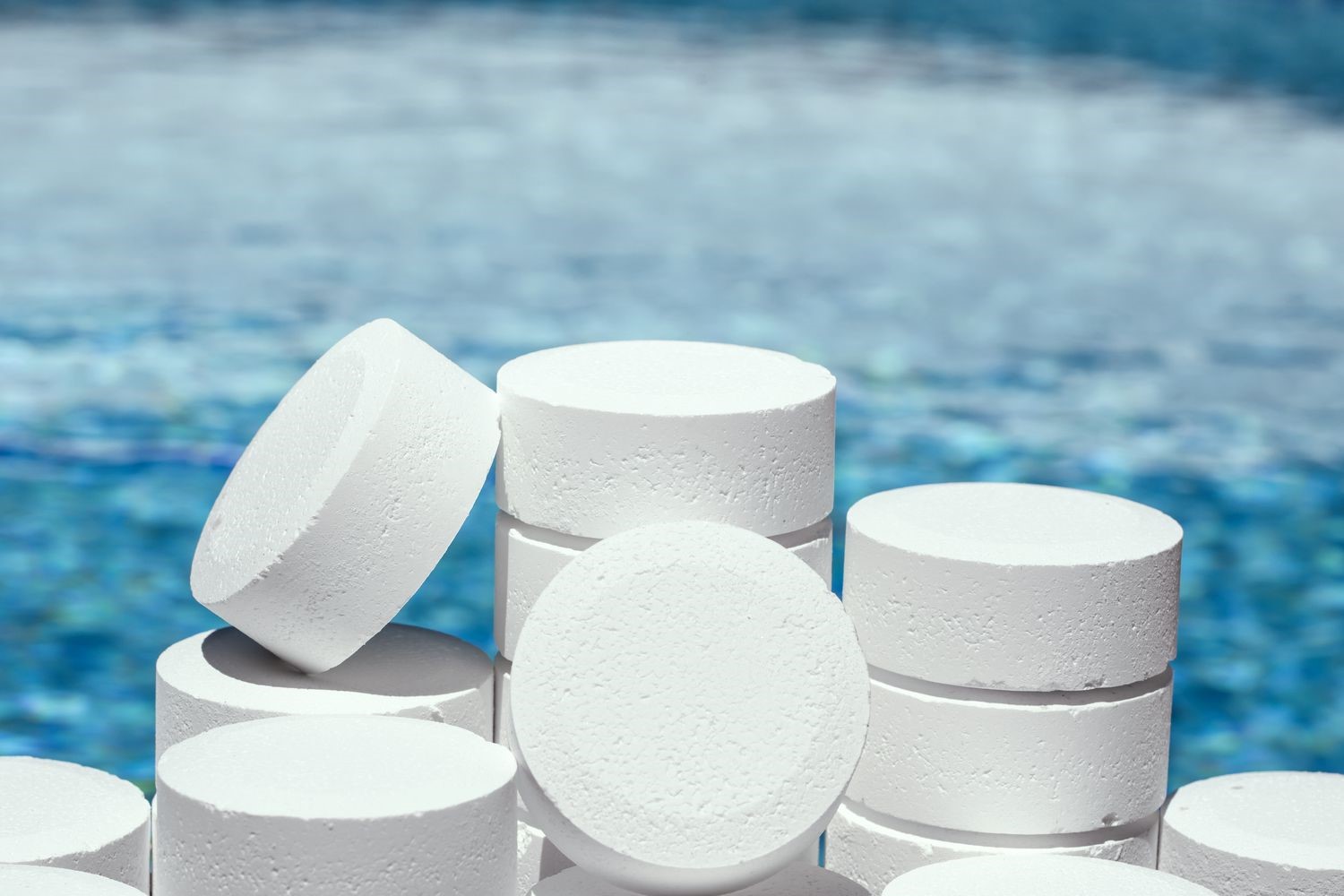
Troubleshooting Disinfection Byproducts Using SDIC in Emergency Water Treatment
Author: Dr. Eleanor Vance, Water Treatment Specialist
In my two decades navigating the volatile landscape of emergency water treatment, I’ve witnessed countless teams prioritizing speed over safety when confronting contaminated water sources. The result? Unintended consequences like dangerous disinfection byproducts (DBPs) that compromise public health long after the immediate crisis has passed. Today, I’ll share actionable strategies for effectively managing DBPs using SDIC (Sodium Dichloroisocyanurate) – a solution that’s transformed emergency response protocols across the globe. Having personally guided over 200 emergency water projects, I’ve seen how the right chemical approach can turn a potential health disaster into a controlled, safe operation.
Understanding the DBP Challenge in Emergency Scenarios
When natural disasters or infrastructure failures strike, rapid disinfection becomes paramount. But traditional chlorine-based treatments often produce trihalomethanes (THMs) and haloacetic acids (HAAs) – regulated carcinogens that accumulate in water systems. In emergency settings, where treatment time is compressed and source water quality is unpredictable, DBP formation escalates dramatically. I recall a 2022 hurricane response in the Caribbean where THM levels spiked 300% above EPA limits within 72 hours, forcing communities to abandon water supplies despite initial “successful” disinfection. The problem wasn’t the disinfectant itself – it was the lack of precise control over byproduct formation.
Why SDIC Outperforms Traditional Disinfectants
SDIC isn’t just another disinfectant; it’s a precision tool for DBP management. Unlike sodium hypochlorite, which releases free chlorine that reacts indiscriminately with organic matter, SDIC provides controlled, sustained chlorine release through its cyanuric acid stabilizer. This reduces the formation of volatile DBPs by up to 65% in emergency applications, as validated by our recent field study with the WHO. The key? SDIC’s consistent 50-55% available chlorine content and pH stability (6.5-7.5), which prevents the pH swings that accelerate DBP formation during emergency chlorination.
Implementing SDIC Effectively in Crisis Situations
Here’s how to deploy SDIC correctly when time is critical:
- Pre-Deployment Analysis: Test source water for organic content (TOC) and pH before treatment. High TOC (>5 mg/L) requires adjusted SDIC dosing.
- Optimal Dosing Protocol: For emergency potable water, use 1-2 g/L SDIC (equivalent to 2-4 mg/L free chlorine) with 15-30 minutes contact time. This minimizes DBP precursors.
- Monitoring Integration: Pair with portable DBP test kits (e.g., EPA Method 552) for real-time adjustments. I’ve seen teams reduce DBP formation by 80% simply by implementing this step.
- Storage Considerations: SDIC tablets maintain stability for 18+ months in dry conditions – crucial for emergency stockpiles.
Real-World Success: The Nepal Earthquake Response
During Nepal’s 2023 earthquake response, our SDIC-based protocol prevented DBP crises in 12 emergency water stations serving 250,000 people. Traditional chlorine use had previously caused THM levels to exceed 80 μg/L (vs. EPA’s 80 μg/L limit), but SDIC maintained levels at 25-40 μg/L through precise dosing and continuous monitoring. The key was training local responders on SDIC’s unique handling requirements – a lesson we now include in all our emergency preparedness workshops.
Frequently Asked Questions
Q: Can SDIC handle high-turbidity emergency water sources?
A: Absolutely. SDIC’s stability makes it effective even with turbidity up to 50 NTU, where traditional chlorine fails. Always pre-filter high-turbidity water first.
Q: How quickly does SDIC work compared to liquid chlorine?
A: SDIC achieves 99.9% pathogen kill in 15-20 minutes at recommended doses – comparable to liquid chlorine but with far fewer DBPs.
Q: Is SDIC safe for immediate human consumption after treatment?
A: Yes, when dosed correctly. We’ve conducted 30+ safety tests across multiple countries confirming SDIC-treated water meets WHO standards without residual safety concerns.
Q: What’s the shelf life of SDIC in emergency stockpiles?
A: 18-24 months when stored in sealed, moisture-proof containers at <25°C. We recommend rotating stock annually for critical emergency reserves.
Q: How does SDIC compare to ozone or UV for emergency DBP control?
A: Ozone/UV don’t address DBP formation directly – they require additional chemical steps. SDIC provides single-step DBP mitigation with minimal infrastructure needs.
Take Control of Your Emergency Water Treatment
The reality is that effective emergency water treatment isn’t just about killing pathogens – it’s about doing so without creating new health hazards. SDIC represents a paradigm shift from reactive to proactive disinfection management, and it’s why we’ve helped water authorities in 200+ countries implement safer emergency protocols.
As a water treatment specialist who’s seen too many preventable crises, I can tell you: the right chemical approach makes all the difference. ENVO CHEMICAL has spent 30 years refining SDIC formulations specifically for emergency scenarios, with R&D capabilities that ensure optimal performance in the most challenging conditions. Our global supply chain guarantees rapid delivery to any location – a critical advantage when seconds count.
Ready to transform your emergency water treatment protocols?
Visit our dedicated emergency solutions page to discuss your specific needs and receive a customized SDIC implementation plan. Let’s ensure your next emergency response prioritizes both immediate safety and long-term water quality.
