
Troubleshooting Foam Formation Using TCCA in Swimming Pool Disinfection
Introduction
Maintaining crystal-clear, foam-free swimming pools is a critical challenge for commercial pool operators and facility managers worldwide. While TCCA (Trichloroisocyanuric Acid) remains one of the most popular pool disinfectants due to its stability and long-lasting chlorine residual, foam formation can quickly turn a pristine pool into a problematic situation. This article explores the root causes of foam formation when using TCCA, provides actionable troubleshooting strategies, and offers expert insights into preventing this common pool maintenance headache. As a leading provider of specialized water treatment chemicals, ENVO CHEMICAL delivers comprehensive solutions to address these challenges, ensuring your pools remain inviting and well-maintained.
Understanding TCCA and Its Role in Pool Disinfection
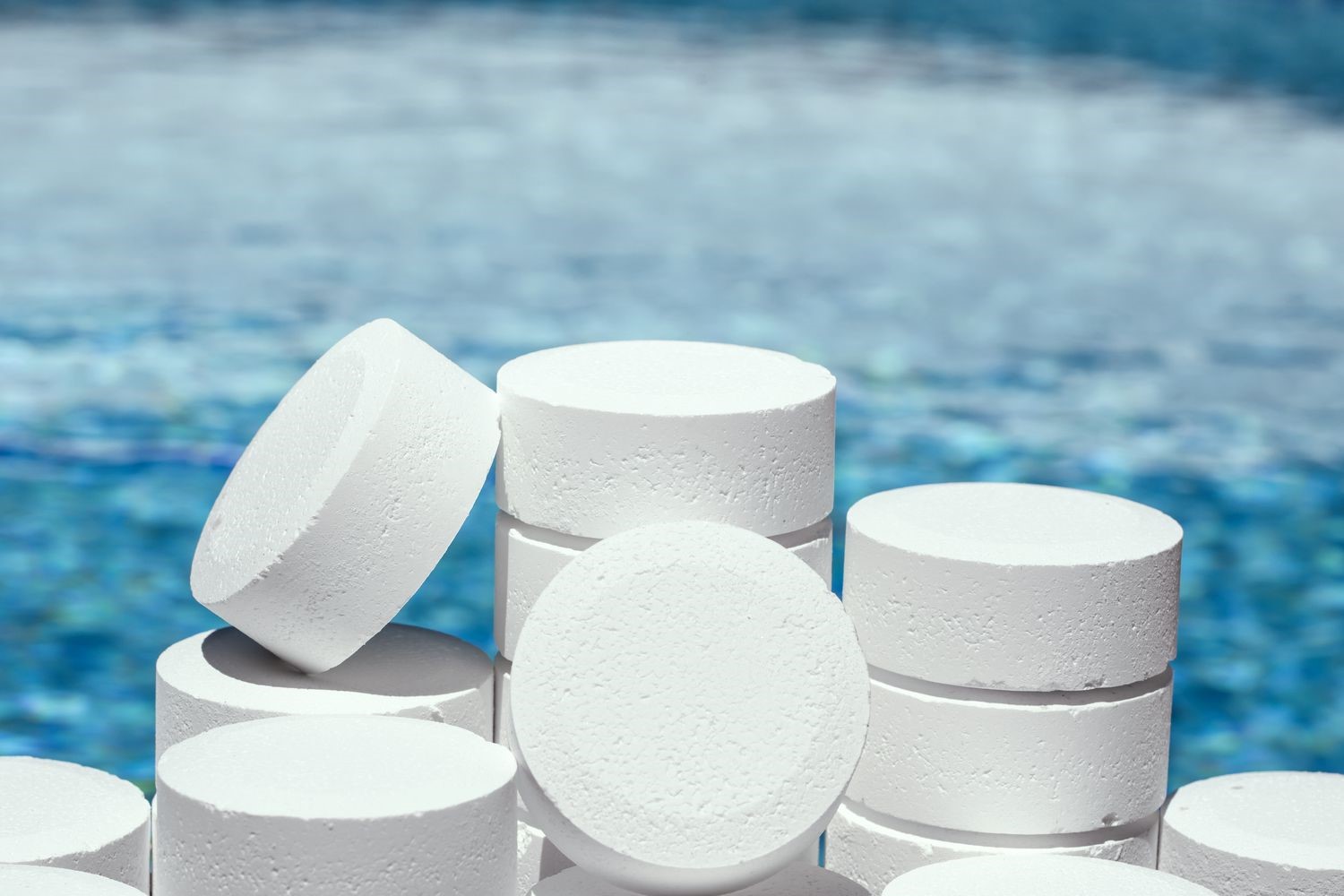
TCCA, a stabilized chlorine compound, has become a staple in commercial pool disinfection due to its ability to maintain consistent chlorine levels over extended periods. This slow-release mechanism makes it particularly valuable for public pools, hotels, and recreational facilities where continuous disinfection is essential. TCCA tablets or sticks provide a steady chlorine residual, reducing the need for frequent chemical additions and ensuring consistent water quality.
However, the very properties that make TCCA effective—its stabilizing agent and slow dissolution—can sometimes contribute to foam formation when not properly managed. Understanding how TCCA interacts with pool water chemistry is the first step toward effective foam management.
Causes of Foam Formation in Swimming Pools Using TCCA
Foam formation in pools using TCCA typically stems from a combination of factors that create surface tension on the water’s surface. Key contributors include:
- High Organic Load: Excessive organic matter from swimmers, such as lotions, oils, and body fluids, can interact with TCCA to create persistent foam.
- Improper Chemical Balance: An imbalance in pH, alkalinity, or sanitizer levels can exacerbate foam formation when using TCCA.
- Inadequate Filtration: Poor filtration systems fail to remove the organic compounds that contribute to foam.
- TCCA Dissolution Rate: When TCCA tablets or sticks dissolve too quickly, they can release concentrated chlorine that reacts with organic compounds to create foam.
- Presence of Surfactants: Even small amounts of surfactants from cleaning products or swimwear can trigger excessive foaming.
- Water Temperature: Warmer water temperatures can accelerate the formation of foam as organic compounds become more soluble.
Effective Troubleshooting Strategies for Foam Issues
When foam appears in your pool, a systematic approach to troubleshooting is essential. Here’s how to address the problem effectively:
- Immediate Foam Control: Start by using a defoamer specifically designed for pool water. Apply according to manufacturer instructions, targeting the foam directly rather than broadcasting it throughout the pool.
- Check Chemical Levels: Test the pool water for pH, alkalinity, and sanitizer levels. Adjust these parameters to optimal ranges (pH 7.2-7.8, total alkalinity 80-120 ppm) to reduce foam formation potential.
- Verify TCCA Usage: Ensure you’re using the correct dosage of TCCA. Over-application or improper placement of TCCA tablets can lead to excessive chlorine release and foam.
- Inspect Filtration System: Check that your filtration system is running efficiently and that filters are clean. A clogged filter can’t effectively remove the organic compounds that contribute to foam.
- Conduct Water Clarification: Use a clarifier to coagulate fine particles that might be contributing to foam formation.
- Monitor Swimmer Load: Implement swimmer guidelines to minimize the introduction of oils and lotions into the pool.
Best Practices for Preventing Foam When Using TCCA
Prevention is always better than cure when it comes to pool foam management. Implement these best practices to maintain foam-free water:
- Proper TCCA Application: Use a floating dispenser or automatic feeder to ensure controlled dissolution of TCCA, rather than direct tablet placement.
- Regular Water Testing: Test pool water at least twice daily during peak usage periods to maintain optimal chemical balance.
- Pre-Application Water Treatment: Consider using a pre-treatment chemical to break down organic compounds before adding TCCA.
- Swimmer Education: Inform swimmers about the importance of showering before entering the pool to reduce organic load.
- Consistent Filtration: Run your filtration system for sufficient hours each day to maintain water clarity.
- Water Replacement: Implement a regular partial water replacement schedule to reduce the accumulation of organic compounds.
Alternative Disinfection Methods for Foam-Free Pool Maintenance
For facilities experiencing persistent foam issues with TCCA, consider alternative disinfection methods that minimize foam formation:
- Sodium Dichlor: A stabilized chlorine alternative that typically causes less foam than TCCA.
- Calcium Hypochlorite: While it can cause foaming, it’s often easier to manage than TCCA in some applications.
- UV Disinfection Systems: As a supplement to chemical disinfection, UV systems reduce the need for high chlorine levels.
- Ozone Treatment: A powerful oxidizer that can significantly reduce organic load, minimizing foam potential.
- Saltwater Chlorine Generators: These systems produce chlorine on-site, often resulting in fewer foam issues compared to traditional TCCA use.
Frequently Asked Questions
Q: Can I use regular dish soap to eliminate pool foam?
A: Absolutely not. Dish soap and household detergents can cause severe foam issues and introduce harmful chemicals into your pool water. Always use pool-specific defoamers.
Q: How often should I test for foam potential when using TCCA?
A: Test your pool water at least twice daily during peak usage periods, focusing on organic load indicators such as combined chlorine levels.
Q: Is foam formation a sign of dangerous water conditions?
A: Not necessarily, but it does indicate that your water chemistry is out of balance and requires attention to prevent potential health and maintenance issues.
Q: Can I mix TCCA with other pool chemicals to prevent foam?
A: It’s generally not recommended to mix chemicals directly. Instead, add them in separate steps and allow time for proper dissolution and reaction before adding additional chemicals.
Conclusion
Managing foam formation in swimming pools using TCCA doesn’t have to be a constant challenge. By understanding the root causes, implementing proper troubleshooting strategies, and adopting best practices for TCCA application, commercial pool operators can maintain crystal-clear, foam-free water that enhances the guest experience.
ENVO CHEMICAL stands as a trusted global partner for water treatment solutions, offering specialized TCCA products and complementary chemicals designed to minimize foam formation while ensuring effective disinfection. With a comprehensive portfolio of water treatment chemicals and a commitment to innovation, ENVO CHEMICAL serves over 200 countries worldwide, providing reliable, high-quality products and expert technical support to help you maintain optimal pool conditions.
For a customized water treatment solution that addresses your specific foam challenges, connect with ENVO CHEMICAL’s technical team through our contact page at https://envochemical.com/contact-us/ and discover how our expertise can transform your pool maintenance operations.
