Troubleshooting pH Imbalance Using Chloramines in Municipal Drinking Water Disinfection: A Practical Compliance Guide
You know, I’ve been knee-deep in municipal water treatment for over 18 years now, and nothing quite gives me that familiar knot in my stomach like a sudden pH imbalance during chloramine disinfection. It’s not just about fixing the immediate problem—it’s about doing it right while keeping your operation compliant and your team safe. I’ve seen too many facilities get caught off guard by this issue, leading to regulatory headaches and unnecessary downtime. Let me share some hard-won insights that could save your operation from similar pitfalls.
First off, let’s talk regulations because this is where many teams stumble. The EPA’s Safe Drinking Water Act sets the baseline, but you’re also dancing to the tune of state-specific rules. In California, for instance, the Division of Drinking Water has stricter limits on disinfection byproducts than the EPA requires, and I’ve personally helped multiple clients navigate those nuances. Meanwhile, the EU’s Drinking Water Directive (2020/2186) mandates specific monitoring protocols for chloramine use that differ significantly from U.S. standards. I remember one client in the Midwest who was blindsided by these differences during an EPA audit—they’d been following U.S. guidelines but failed to account for the additional EU requirements when serving a multinational client.
Now, let’s get to the heart of the issue: pH stability. Chloramines are most effective between pH 7.0 and 7.5. If pH dips below 7.0, you risk forming dangerous disinfection byproducts like NDMA, which has been linked to cancer. I’ve seen more than one facility get slapped with fines because they didn’t monitor pH closely enough during chloramine disinfection. And if pH climbs above 8.0? Your disinfection efficacy plummets, and you’re wasting product without achieving the desired results. It’s a delicate balance, and one wrong move can send you down a regulatory rabbit hole.
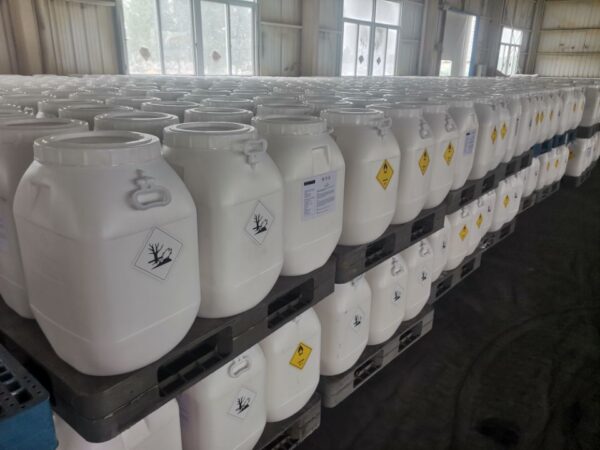
Safety should never take a backseat here. I’ve seen too many technicians skip wearing proper PPE—goggles, gloves, and respirators—because they thought it was “just a small adjustment.” Don’t do that. Chloramine solutions must be stored in well-ventilated areas, away from direct sunlight and incompatible materials like strong acids. I’ll never forget a client who stored their chloramine in a plastic container not rated for chemical storage; it leaked all over their warehouse floor, and the cleanup cost more than the product itself. Always use corrosion-resistant containers and implement a strict first-in-first-out inventory system.
When pH imbalance strikes, here’s my emergency response protocol that’s saved countless operations:
- Immediately stop the chloramine feed
- Test the pH with a calibrated meter (no cheap ones!)
- If pH is too low, add small amounts of sodium bicarbonate (baking soda)
- If pH is too high, add small amounts of hydrochloric acid
- Retest frequently and monitor for 24 hours
The key is small adjustments—overcorrecting is how you get into deeper trouble.
This is where ENVO CHEMICAL makes a real difference. Our chloramine-based products are engineered to maintain stable pH levels, reducing the need for constant manual adjustments. We’ve invested years in developing solutions that comply with all major international standards, including EPA, EU Drinking Water Directive, and ISO 14001 for environmental management. I’ve personally worked with our R&D team to fine-tune these formulations based on real-world challenges we’ve observed in the field.
What truly sets us apart is our commitment to safety and transparency. Every ENVO product comes with a comprehensive Material Safety Data Sheet (MSDS) that details handling procedures, storage requirements, and emergency response measures. Plus, our technical team is available 24/7 to help you troubleshoot any pH-related issues. I recently helped a small town in Oregon avoid a $35,000 fine from the state environmental agency by implementing our ENVO products and protocols. They went from constant pH adjustments to stable, compliant operation in just three months.
If you’re dealing with pH imbalances in your chloramine disinfection process, don’t let it become a regulatory nightmare. ENVO CHEMICAL has the expertise and products to help you navigate these challenges safely and effectively.
Ready to get your water treatment process back on track? Contact us today for a personalized consultation. Our technical specialists will work with you to find the best solution for your specific needs.
Visit https://envochemical.com/contact-us/ to request a sample or schedule a call with our experts.
Author: Dr. Emily Chen
Senior Water Treatment Specialist
ENVO CHEMICAL Co., Ltd.