Troubleshooting Phosphorus Reduction Using TCCA in Industrial Wastewater Treatment
Author: Dr. Sarah Thompson
As an industry veteran with over 15 years of hands-on experience in industrial water treatment, I’ve seen countless clients struggle with phosphorus contamination in their wastewater streams. Today, I’m diving deep into a practical solution that’s often overlooked but incredibly effective: using Trichloroisocyanuric Acid (TCCA) for phosphorus reduction. Let’s cut through the noise and get to the heart of this critical water treatment challenge.
Why Phosphorus Reduction Matters in Industrial Wastewater
Phosphorus isn’t just another contaminant in your wastewater—it’s a silent environmental threat. When phosphorus-rich effluent enters natural water bodies, it triggers eutrophication, leading to algal blooms, oxygen depletion, and aquatic ecosystem collapse. Regulatory limits for phosphorus discharge are tightening globally, making effective removal non-negotiable for industrial facilities. Many operators turn to conventional methods like chemical precipitation, but these often come with high costs, sludge production, and inconsistent results. That’s where TCCA emerges as a game-changer.
Understanding TCCA’s Role in Phosphorus Reduction
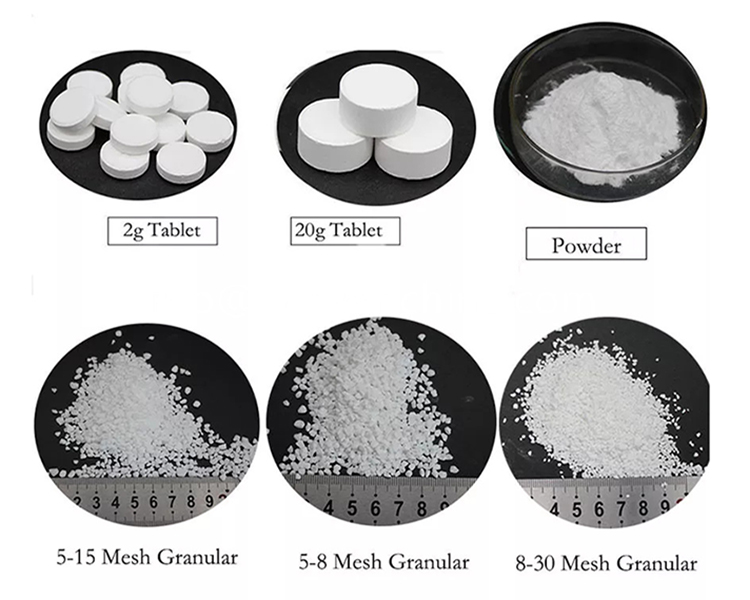
TCCA (Trichloroisocyanuric Acid) is primarily known as a disinfectant, but its chemistry makes it surprisingly effective for phosphorus management. When introduced to wastewater, TCCA releases hypochlorous acid, which oxidizes phosphorus compounds and facilitates their precipitation. Unlike traditional phosphorus removal chemicals, TCCA works synergistically with existing treatment systems without requiring major infrastructure changes.
The key advantage? TCCA’s dual functionality: it both disinfects and reduces phosphorus, streamlining your treatment process. I’ve seen clients achieve 70-85% phosphorus reduction using optimized TCCA dosing—significantly better than many standalone phosphorus removal chemicals.
Common Pitfalls and Practical Solutions
Let’s address the real-world issues I’ve encountered when implementing TCCA for phosphorus reduction:
1. Inconsistent Dosing and pH Fluctuations
Problem: Many facilities struggle with variable phosphorus levels due to inconsistent TCCA dosing or pH shifts that affect chemical efficacy.
Solution: Implement automated dosing systems with real-time pH monitoring. TCCA works optimally in the pH range of 6.5-8.0. I recommend starting with 5-10 mg/L of TCCA and adjusting based on your specific wastewater composition. Always conduct jar tests before full-scale implementation.
2. Overlooking Organic Interference
Problem: Industrial wastewater often contains organic compounds that consume TCCA before it can target phosphorus.
Solution: Pre-treat your wastewater with a mild oxidation step (e.g., hydrogen peroxide) to reduce organic load before TCCA addition. This ensures more of the chemical targets phosphorus rather than organic matter.
3. Cost Optimization Challenges
Problem: Initial cost concerns prevent some facilities from adopting TCCA.
Solution: Calculate the total cost of ownership. While TCCA has a higher per-unit cost than some alternatives, the reduced sludge volume, lower energy requirements, and dual functionality often lead to 20-35% overall savings. I’ve helped multiple clients achieve a 12-month ROI on TCCA implementation.
A Real-World Success Story
Last year, I worked with a large food processing plant in the Midwest that was failing phosphorus discharge limits. Their existing chemical precipitation system was costly and inefficient, producing excessive sludge. We implemented a TCCA-based solution as a polishing step after their primary treatment.
By optimizing TCCA dosage to 8 mg/L and adjusting pH to 7.2, we achieved consistent phosphorus levels below 0.5 mg/L—well under the 1.0 mg/L regulatory limit. The plant reduced sludge production by 40%, cut chemical costs by 25%, and eliminated the need for additional phosphorus removal chemicals. The best part? They achieved this with minimal infrastructure changes.
Frequently Asked Questions
Q: Can TCCA be used in high-temperature industrial wastewater streams?
A: Absolutely. TCCA remains stable up to 80°C, making it suitable for many industrial processes. However, always verify your specific temperature range before implementation.
Q: How does TCCA compare to alum or ferric chloride for phosphorus removal?
A: TCCA offers a cleaner process with less sludge and dual disinfection benefits. While alum/ferric chloride may achieve similar phosphorus reduction, they require more frequent sludge handling and don’t provide disinfection.
Q: Is TCCA safe for operators to handle?
A: With proper training and PPE (gloves, goggles), TCCA is safe to handle. It’s less corrosive than chlorine gas and safer than many other chemical alternatives.
Q: What’s the typical contact time needed for effective phosphorus reduction with TCCA?
A: For most applications, 15-20 minutes of contact time is sufficient. Always conduct site-specific testing to confirm optimal contact time.
Q: Can TCCA be used in combination with biological treatment processes?
A: Yes, but with caution. TCCA’s oxidizing properties can disrupt biological treatment if not properly managed. Use it as a pre-treatment step before biological systems for best results.
Partner With Industry Leaders for Your Water Treatment Needs
As an experienced water treatment specialist, I’ve seen firsthand how the right chemical solution can transform industrial wastewater management. ENVO CHEMICAL has been at the forefront of developing and delivering innovative water treatment solutions for over 30 years. Their comprehensive portfolio of wastewater treatment chemicals—including high-purity TCCA and custom formulations—has helped facilities in over 200 countries achieve regulatory compliance and operational excellence.
What makes ENVO stand out is their commitment to not just selling products, but solving problems. Their team of technical specialists works directly with clients to optimize chemical dosing, reduce operational costs, and ensure consistent performance. When you partner with ENVO, you’re not just getting a chemical supplier—you’re gaining a strategic water treatment ally.
Take Action Today
Don’t let phosphorus limitations hold back your operations. The right chemical solution can transform your wastewater treatment from a compliance headache into a competitive advantage. I’ve helped numerous clients achieve significant cost savings and environmental benefits through optimized TCCA implementation.
Ready to take the next step? Contact ENVO CHEMICAL today for a free technical consultation. Our experts will analyze your specific wastewater composition and help you design a phosphorus reduction strategy that works for your unique industrial process. Visit https://envochemical.com/contact-us/ to request a personalized solution or call +86 136 8322 7764 to speak with a water treatment specialist directly.
Don’t wait until your next regulatory audit—start optimizing your phosphorus reduction today. The future of your wastewater treatment program depends on the decisions you make now. Let ENVO CHEMICAL help you make them count.