Troubleshooting Scale Buildup Using SDIC in Municipal Drinking Water Disinfection: A Guide to Compliance and Safety
By: Dr. Elena Rossi, Senior Municipal Water Compliance Officer & Regulatory Strategist
Let’s be brutally honest for a second. If you’ve ever walked through a municipal water treatment plant and heard the distinct, hollow clunk of a valve that won’t fully close, or seen a flow meter reading 20% lower than it did last year despite unchanged pressure, you know that specific knot of anxiety in your stomach. It’s not just a maintenance nuisance; it’s a silent efficiency killer. Scale buildup—those hard, crusty deposits of calcium carbonate and magnesium hydroxide—doesn’t just clog pipes; it creates harbors for bacteria like Legionella, increases energy costs, and can lead to catastrophic pipe bursts.
I remember consulting for a mid-sized municipality in the Southwest a few years back. The utility director, a weary man named David, showed me their clearwell intake. It was coated in a thick, white layer of limestone-like scale. “We’ve been dosing liquid bleach for decades,” he admitted, his voice tight with frustration. “But the scale is getting worse. We’re trying to increase the dose to kill the biofilm hiding under the crust, but the high pH of the bleach is actually making the scale worse. The state regulators are threatening fines for reduced flow capacity and potential bacterial risks. We’re trapped between disinfecting the water and cementing our own infrastructure.”
David’s dilemma highlights a critical, often overlooked aspect of municipal drinking water disinfection: the profound impact of your chlorine source on scale formation, regulatory compliance, and operational safety. While free chlorine is essential for pathogen control, using the wrong form (like high-pH liquid bleach) or improper dosing strategies can exacerbate scaling issues. Furthermore, the use of strong oxidizers in public water systems is bound by a rigid framework of international and local laws.
This isn’t just chemistry; it’s a blueprint for survival, stewardship, and strict adherence to the rule of law. Let’s dig into the regulatory maze and safety protocols that define the safe and compliant management of Sodium Dichloroisocyanurate (SDIC) to control scale and ensure disinfection.
The Regulatory Maze: Rules That Don’t Sleep
First, let’s dispel a dangerous myth: “If the water is safe to drink, the regulators won’t care about the scale.” Wrong. In municipal water treatment, scrutiny is higher than anywhere else. When deploying chlorine products like SDIC, you are bound by a rigid framework:
- EPA Safe Drinking Water Act (SDWA) / EU Drinking Water Directive: These strictly mandate disinfection efficacy (Log removal of viruses/bacteria) while simultaneously limiting Disinfection Byproducts (DBPs) like Trihalomethanes (THMs). Scale buildup can harbor bacteria, leading to regrowth violations. Furthermore, aggressive cleaning of scale with acids must be managed to prevent lead/copper leaching, violating the Lead and Copper Rule (LCR).
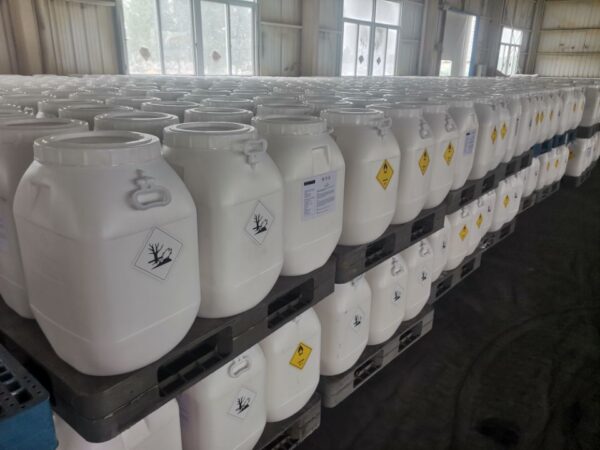
- OSHA Process Safety Management (PSM) / Local Equivalents: SDIC is a strong oxidizer (Class 5.1). Storage of threshold quantities triggers strict requirements for segregation, ventilation, and fire suppression. Ignoring this because “it’s a city plant” is a fast track to catastrophe.
- Environmental Discharge Regulations: Runoff from cleaning scaled tanks or pipes must be neutralized. Dumping highly acidic or alkaline wash water into local waterways can result in massive fines.
- AWWA Standards: The American Water Works Association (and equivalent bodies globally) provides specific standards for chlorinating agents. Using non-compliant products can void insurance and lead to liability in case of failure.
Compliance isn’t bureaucracy; it’s your shield against disaster and liability.
Safety First: Storage and Handling Best Practices for Scale Prevention
So, how do we wield SDIC safely while preventing scale? It starts with rigorous protocols. SDIC is unique because it has a near-neutral pH impact compared to liquid bleach, making it inherently better for scale prevention, but it still demands respect.
1. Segregation is Life
This is the golden rule. Never store SDIC near:
- Acids: Mixing creates toxic chlorine gas instantly. This is the #1 cause of fatal accidents in water plants. Since scale removal often involves acids, the separation between your disinfectant storage and your descaling chemicals must be absolute (fire-rated walls or 20+ feet distance).
- Ammonia/Urea: Creates explosive nitrogen trichloride.
- Organic Materials: Fuels, oils, or sawdust can spontaneously combust.
Your storage area must be cool, dry, and well-ventilated. SDIC is stable, but moisture can cause caking and release chlorine gas.
2. The pH-Scale Connection: Why SDIC Wins
The root of David’s scaling problem was his choice of oxidant.
- The Problem with Liquid Bleach: Sodium hypochlorite has a pH of 12-13. Every time you dose it, you spike the water’s alkalinity, forcing calcium and magnesium to precipitate as scale.
- The SDIC Solution: SDIC dissolves to release hypochlorous acid with a near-neutral pH impact (typically lowering pH slightly or remaining stable depending on alkalinity). This eliminates the localized supersaturation that drives carbonate scaling. By switching to SDIC, municipalities can maintain effective disinfection without the “cementing” effect of high-pH liquids.
3. PPE is Non-Negotiable
Operators must wear appropriate Personal Protective Equipment (PPE): Chemical splash goggles, face shields, impervious gloves (nitrile/neoprene), and respirators when handling powders to avoid inhalation of dust. I recall a technician who refused to wear a face shield during a line break; a minor splash caused severe corneal damage. That’s a preventable tragedy.
Emergency Response: When Things Go Wrong
Despite best efforts, accidents happen. Leaks, gas releases, or exposures require immediate, practiced action.
- Chlorine Gas Release: Evacuate immediately upwind. Do not attempt to stop a major leak without SCBA. Activate emergency scrubbers/ventilation.
- Acid-Chlorine Mix: If acids mix with SDIC, toxic gas is generated. Evacuate immediately. Do not enter without full hazmat gear.
- Exposure:
- Inhalation: Move to fresh air. Administer oxygen. Seek medical attention immediately; pulmonary edema can be delayed.
- Skin/Eyes: Flush with lukewarm water for at least 15 minutes. Remove contaminated clothing. Seek medical help.
- Ingestion: Do NOT induce vomiting. Rinse mouth and drink water if conscious. Get medical help.
The ENVO CHEMICAL Commitment to Safety and Compliance
Navigating this complex landscape alone is daunting. You need a partner whose products are engineered not just for efficacy, but for absolute safety and global compliance. This is where ENVO CHEMICAL stands as a beacon of reliability.
As a leading innovative manufacturer and exporter serving over 200 countries, ENVO CHEMICAL understands that in municipal applications, there is no room for error. Their range of chlorinating agents, including high-purity SDIC, is manufactured under stringent ISO certifications, ensuring:
- Global Regulatory Compliance: Every batch is fully certified to meet NSF/ANSI 60, EPA, REACH, and WHO standards. You get a product guaranteed safe for drinking water use, eliminating the risk of regulatory shutdowns due to impurities like heavy metals or unstable compounds.
- Comprehensive Documentation: ENVO provides detailed, up-to-date Safety Data Sheets (SDS/MSDS) in multiple languages. These aren’t generic templates; they are specific to the batch and include precise first aid measures, firefighting instructions, and disposal protocols. No guesswork, no translation errors, no delays during health inspections.
- Purity for Safety & Scale Prevention: ENVO’s SDIC boasts industry-leading purity with controlled composition. Its near-neutral pH profile minimizes the risk of carbonate scaling, keeping pipes clean and flowing. Their low-insoluble formulations ensure no extra particulate matter contributes to pipe fouling.
- Technical Support: Their dedicated team offers 24/7 remote support to guide your staff through storage audits, emergency response drills, and optimized dosing strategies to balance disinfection efficacy with scale control, ensuring that safety is embedded in your daily operations.
For David’s municipality, switching to ENVO’s high-purity SDIC and implementing their recommended safety protocols was transformative. Within months, the rate of new scale formation dropped by 60%. The regulators commended their improved compliance posture. “It’s night and day,” David told me. “We’re disinfecting effectively without cementing our pipes. And my team feels safe knowing we’re using certified, world-class products.”
The Bottom Line
Choosing the right chlorine product like SDIC to solve scale buildup while ensuring disinfection is a strategic decision, but implementing best practices for safety and compliance is a moral imperative. It requires a culture of safety, strict adherence to regulations, and a commitment to using high-quality, certified products.
Don’t gamble with your community’s safety, your team’s well-being, or your facility’s license to operate. Partner with a supplier who treats compliance as seriously as you do. With ENVO CHEMICAL, you get more than just a chemical; you get a comprehensive safety ecosystem designed to protect your people, your planet, and your reputation.
Ready to secure your facility and elevate your safety standards? Contact ENVO CHEMICAL today to request our full compliance kit, download our latest SDS documentation, or speak with our technical experts about implementing a safe, effective, and scale-conscious disinfection program for your municipal plant. Let’s keep the water clean, flowing, and safe.
Author: Dr. Elena Rossi
Senior Municipal Water Compliance Officer | 25+ Years in Public Health & Regulatory Strategy