
Ultimate Guide to SDIC Procurement for Agriculture
Introduction
Sodium Dichloroisocyanurate (SDIC) has emerged as a cornerstone disinfectant solution in modern agricultural operations. As global food security demands intensify and biosecurity protocols become increasingly stringent, agricultural enterprises require reliable, efficient, and cost-effective disinfection solutions. This comprehensive guide addresses the critical considerations for B2B procurement of SDIC, providing technical specifications, performance benchmarks, and industry compliance standards essential for informed purchasing decisions.
SDIC, chemically known as 1-sodium-3,5-dichloro-1,3,5-triazine-2,4,6-trione, represents the optimal balance between efficacy, stability, and economic viability for agricultural disinfection applications. With an available chlorine content ranging from 56% to 60%, this compound delivers superior microbial control across diverse agricultural environments including irrigation systems, livestock facilities, greenhouse operations, and post-harvest processing units.
Understanding SDIC: Chemical Composition and Properties
Molecular Structure and Identification
| Parameter | Specification |
|---|---|
| CAS Number | 2893-78-9 |
| EINECS Number | 220-767-7 |
| Molecular Formula | C₃Cl₂N₃NaO₃ |
| Molecular Weight | 219.95 g/mol |
| Chemical Name | Sodium Dichloroisocyanurate |
| Common Trade Names | NaDCC, Troclosene Sodium, Optimine |
Physical and Chemical Characteristics
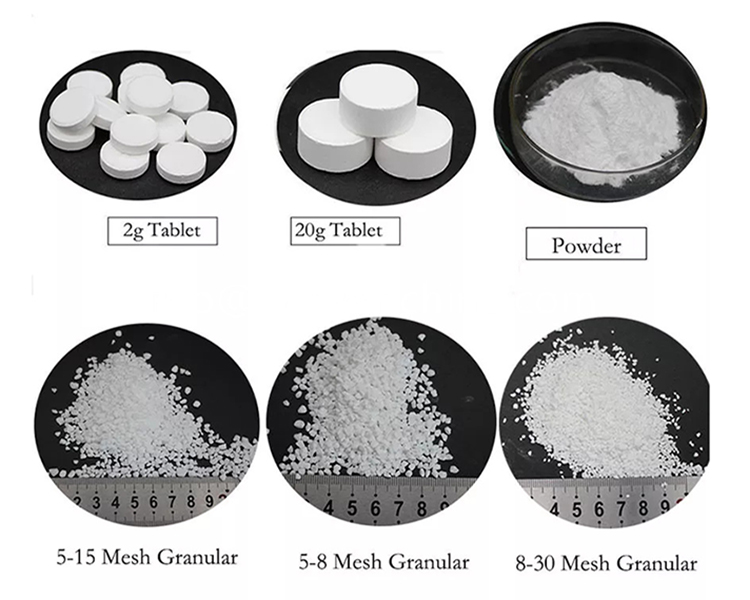
SDIC presents as a white crystalline powder or granular material with distinctive chlorine odor. The compound demonstrates exceptional water solubility while maintaining limited solubility in organic solvents, making it ideal for aqueous disinfection applications.
Key Physical Properties:
- Appearance: White crystalline powder, granules, or tablets
- Melting Point: 240-250°C (decomposes above this temperature)
- Solubility: Highly soluble in water (approximately 25g/100ml at 25°C)
- pH Value: 6.0-7.0 (1% aqueous solution)
- Bulk Density: 0.65-0.75 g/cm³ (granular form)
- Moisture Content: ≤5.0% (anhydrous grade)
Available Chlorine Content Specifications
The available chlorine content serves as the primary quality indicator for SDIC procurement. Agricultural-grade SDIC typically comes in two standard concentrations:
| Grade | Available Chlorine | Application Focus |
|---|---|---|
| Standard Grade | 56% ± 1% | General farm disinfection, irrigation |
| Premium Grade | 60% ± 1% | High-risk biosecurity, veterinary facilities |
The dihydrate form (CAS: 51580-86-0) contains approximately 55-56% available chlorine, while the anhydrous form achieves 60% available chlorine content.
Agricultural Applications of SDIC
Irrigation Water Treatment
Contaminated irrigation water represents a significant vector for pathogen transmission in agricultural systems. SDIC provides effective control against waterborne pathogens including:
- Bacterial contaminants: Escherichia coli, Salmonella spp., Pseudomonas
- Viral pathogens: Norovirus, Hepatitis A, Rotavirus
- Fungal organisms: Fusarium, Pythium, Phytophthora
Recommended Dosage for Irrigation:
- Surface water treatment: 3-5 ppm available chlorine
- Well water disinfection: 1-3 ppm available chlorine
- Recirculating systems: 5-10 ppm available chlorine
Livestock Facility Biosecurity
Animal housing facilities require rigorous disinfection protocols to prevent disease outbreaks. SDIC demonstrates broad-spectrum efficacy against pathogens affecting poultry, swine, cattle, and aquaculture operations.
Application Protocols:
| Facility Type | Concentration | Contact Time | Frequency |
|---|---|---|---|
| Poultry houses | 200-500 ppm | 30 minutes | Between batches |
| Swine facilities | 300-600 ppm | 45 minutes | Weekly/Between batches |
| Dairy barns | 150-300 ppm | 20 minutes | Daily/Weekly |
| Aquaculture tanks | 2-5 ppm | Continuous | As needed |
Greenhouse and Horticulture Disinfection
Protected cultivation environments demand precise disinfection strategies to maintain plant health while minimizing chemical residue. SDIC offers rapid decomposition into environmentally benign byproducts, making it suitable for sensitive horticultural applications.
Greenhouse Application Guidelines:
- Surface disinfection: 100-200 ppm
- Tool and equipment sanitization: 50-100 ppm
- Footbath solutions: 300-500 ppm
- Post-harvest washing: 10-20 ppm (following GAP standards)
Technical Performance Data
Microbial Efficacy Benchmarks
Independent laboratory testing confirms SDIC’s exceptional disinfection capabilities across multiple pathogen categories:
| Microorganism | Concentration (ppm) | Contact Time | Reduction Rate |
|---|---|---|---|
| E. coli | 20 | 5 minutes | 99.9% |
| Salmonella spp. | 25 | 10 minutes | 99.9% |
| Staphylococcus aureus | 20 | 5 minutes | 99.5% |
| Aspergillus niger | 50 | 15 minutes | 99.0% |
| Candida albicans | 40 | 10 minutes | 99.5% |
| Influenza A virus | 30 | 10 minutes | 99.9% |
Stability and Shelf Life Performance
One of SDIC’s distinguishing advantages lies in its exceptional storage stability under proper conditions:
- Annual chlorine loss: <1% (dry storage, sealed containers)
- Optimal storage temperature: 15-25°C
- Maximum storage humidity: <70% RH
- Shelf life: 24-36 months (unopened packaging)
- Solution stability: 7-14 days (prepared solutions, protected from sunlight)
Compatibility with Agricultural Systems
SDIC demonstrates favorable compatibility with common agricultural materials and equipment:
- Compatible materials: Stainless steel (304/316), HDPE, PVC, concrete
- Limited compatibility: Aluminum, copper, galvanized steel (prolonged exposure)
- Compatible with: Most fertilizers (when applied separately)
- Incompatible with: Ammonia-based compounds, reducing agents, organic matter (high concentrations)
Industry Standards and Regulatory Compliance
International Quality Standards
SDIC procurement for agricultural applications should align with recognized international standards:
ISO Standards:
- ISO 9001:2015 – Quality Management Systems
- ISO 14001:2015 – Environmental Management
- ISO 45001:2018 – Occupational Health and Safety
Regional Regulations:
- EPA (United States): FIFRA registration for disinfectant claims
- EU Biocidal Products Regulation (BPR): Active substance approval
- China HG/T Standards: HG/T 3265-2018 for industrial grade SDIC
- WHO Guidelines: Drinking water disinfection recommendations
Agricultural Certification Requirements
B2B purchasers should verify supplier compliance with relevant agricultural certifications:
- GAP (Good Agricultural Practices): Post-harvest treatment approval
- Organic Standards: OMRI listing (where applicable for specific formulations)
- HACCP: Food safety management in processing facilities
- GMP: Good Manufacturing Practice for veterinary applications
Environmental and Safety Documentation
Essential documentation for compliant SDIC procurement includes:
- Safety Data Sheet (SDS): Updated within last 5 years, GHS-compliant
- Certificate of Analysis (CoA): Batch-specific quality verification
- Registration Certificates: Regional regulatory approvals
- Environmental Impact Assessment: Discharge and residue data
- Transport Classification: UN 3087 (Class 5.1, Oxidizing Substance)
Procurement Specifications and Quality Control
Critical Quality Parameters
When evaluating SDIC suppliers, B2B buyers should establish clear specifications for the following parameters:
| Parameter | Acceptance Criteria | Test Method |
|---|---|---|
| Available Chlorine | 56-60% (as specified) | GB/T 1911 / ASTM D1253 |
| Moisture Content | ≤5.0% | Karl Fischer Titration |
| pH (1% solution) | 6.0-7.0 | pH Meter (calibrated) |
| Water Insolubles | ≤0.5% | Gravimetric Analysis |
| Heavy Metals (Pb) | ≤10 ppm | ICP-MS / AAS |
| Particle Size | 8-30 mesh or 16-36 mesh | Sieve Analysis |
Packaging and Transportation Requirements
Standard Packaging Options:
- 25 kg plastic drums (food-grade HDPE)
- 50 kg plastic drums with inner liner
- 1000 kg ton bags (FIBC) for bulk procurement
- Customized packaging available for large-volume contracts
Transportation Classifications:
- UN Number: 3087
- Hazard Class: 5.1 (Oxidizing Substance)
- Packing Group: III
- Storage Requirements: Cool, dry, well-ventilated area away from incompatible materials
Supplier Qualification Checklist
B2B procurement teams should evaluate potential suppliers against the following criteria:
✓ Manufacturing capacity and production consistency
✓ Quality management system certification (ISO 9001)
✓ Regulatory compliance documentation
✓ Technical support and application expertise
✓ Supply chain reliability and lead times
✓ Competitive pricing structure for volume purchases
✓ After-sales service and complaint resolution procedures
Cost-Benefit Analysis for Agricultural Operations
Economic Advantages of SDIC
SDIC offers compelling economic benefits compared to alternative disinfectants:
Cost Efficiency Factors:
- Lower dosage requirements due to high available chlorine content
- Extended shelf life reduces waste and replacement costs
- Multi-purpose application eliminates need for multiple products
- Reduced labor costs from rapid dissolution and application
Comparative Cost Analysis (per 1000L treated water):
| Disinfectant | Dosage Required | Approximate Cost | Contact Time |
|---|---|---|---|
| SDIC (60%) | 8-10 g | $0.15-0.20 | 10-15 minutes |
| Calcium Hypochlorite | 15-20 g | $0.25-0.35 | 15-20 minutes |
| Sodium Hypochlorite | 40-50 ml | $0.30-0.45 | 20-30 minutes |
| Chlorine Dioxide | 5-8 g | $0.40-0.60 | 10-15 minutes |
Return on Investment Considerations
Agricultural operations implementing SDIC-based disinfection protocols typically realize ROI through:
- Reduced disease incidence: 30-50% decrease in livestock mortality
- Improved crop yields: 10-20% increase from pathogen control
- Extended equipment life: Reduced corrosion compared to liquid chlorine
- Regulatory compliance: Avoidance of fines and market access restrictions
- Brand protection: Enhanced food safety credentials for market positioning
Risk Management and Safety Protocols
Handling and Storage Guidelines
Personal Protective Equipment (PPE) Requirements:
- Chemical-resistant gloves (nitrile or neoprene)
- Safety goggles or face shield
- Protective clothing (long sleeves, pants)
- Respiratory protection (N95 or equivalent) for dust exposure
Storage Best Practices:
- Store in original sealed containers
- Maintain temperature between 15-25°C
- Ensure adequate ventilation in storage areas
- Keep away from heat sources and direct sunlight
- Separate from incompatible materials (acids, ammonia, organics)
Emergency Response Procedures
Spill Management:
- Evacuate non-essential personnel from affected area
- Wear appropriate PPE before cleanup
- Contain spill with inert absorbent material
- Collect contaminated material in sealed containers
- Rinse area with copious amounts of water
- Dispose according to local regulations
First Aid Measures:
- Eye contact: Rinse immediately with water for 15 minutes, seek medical attention
- Skin contact: Wash thoroughly with soap and water
- Inhalation: Move to fresh air, seek medical attention if symptoms persist
- Ingestion: Do not induce vomiting, rinse mouth, seek immediate medical attention
Future Trends in Agricultural SDIC Applications
Emerging Technologies and Innovations
The agricultural disinfection sector continues to evolve with several notable trends:
Slow-Release Formulations: Extended-release SDIC tablets for continuous irrigation treatment
Combination Products: SDIC blended with surfactants for enhanced surface penetration
Smart Dosing Systems: IoT-enabled dispensers for precise concentration control
Sustainable Packaging: Biodegradable containers and reduced plastic usage
Regulatory Landscape Evolution
Anticipated regulatory changes affecting SDIC procurement:
- Stricter residual chlorine limits in discharge water
- Enhanced documentation requirements for traceability
- Increased focus on worker exposure monitoring
- Harmonization of international standards for trade facilitation
Sustainability Considerations
Environmental stewardship increasingly influences procurement decisions:
- Carbon footprint: SDIC production energy efficiency improvements
- Water conservation: Reduced water usage through optimized dosing
- Waste reduction: Minimal packaging and extended product life
- Circular economy: Recycling programs for empty containers
Conclusion
SDIC procurement for agricultural applications requires careful consideration of technical specifications, regulatory compliance, supplier qualifications, and total cost of ownership. This guide provides the foundational knowledge necessary for B2B buyers to make informed purchasing decisions that balance efficacy, safety, and economic viability.
Agricultural enterprises partnering with qualified SDIC suppliers gain access to reliable disinfection solutions that protect livestock health, ensure crop quality, and maintain regulatory compliance. As biosecurity demands continue to intensify globally, SDIC remains a cornerstone technology for sustainable agricultural production.
For organizations seeking to optimize their SDIC procurement strategy, we recommend conducting thorough supplier audits, establishing clear quality specifications, and maintaining ongoing communication with technical support teams. The investment in proper SDIC procurement processes delivers measurable returns through improved operational efficiency, reduced disease incidence, and enhanced market access.
Frequently Asked Questions (FAQ)
Q1: What is the minimum order quantity for agricultural-grade SDIC?
A: Minimum order quantities vary by supplier and packaging configuration. Standard offerings typically start at 25 kg (one drum) for trial orders, with volume discounts available for purchases exceeding 1000 kg. Bulk procurement contracts (5+ metric tons) offer the most competitive pricing structures.
Q2: How long does SDIC remain effective in solution?
A: Prepared SDIC solutions maintain efficacy for 7-14 days when stored in opaque containers away from direct sunlight and heat. For optimal performance, we recommend preparing fresh solutions weekly and testing available chlorine concentration before application using DPD test kits.
Q3: Can SDIC be used in organic farming operations?
A: SDIC approval for organic certification varies by region and certifying body. In some jurisdictions, SDIC is permitted for specific applications such as irrigation water treatment and post-harvest disinfection with restrictions on residual levels. Consult your organic certification agency before incorporation into organic production systems.
Q4: What is the shelf life of unopened SDIC packages?
A: Properly stored SDIC (cool, dry conditions, sealed packaging) maintains specifications for 24-36 months from manufacture date. Annual available chlorine loss remains below 1% under optimal storage conditions. Always verify manufacture date and Certificate of Analysis upon receipt.
Q5: How does SDIC compare to TCCA for agricultural applications?
A: Both SDIC and Trichloroisocyanuric Acid (TCCA) belong to the chlorinated isocyanurate family. SDIC offers faster dissolution and higher pH stability, making it preferable for irrigation and livestock applications. TCCA provides slightly higher available chlorine (90%) but dissolves more slowly, suited for long-term water treatment. Selection depends on specific application requirements.
Q6: What documentation should I request from SDIC suppliers?
A: Essential documentation includes: current Safety Data Sheet (SDS), batch-specific Certificate of Analysis (CoA), regulatory registration certificates, ISO quality certifications, and transportation classification documents. For food-contact applications, request additional compliance certificates for relevant food safety standards.
Q7: Is specialized equipment required for SDIC application?
A: Standard agricultural spraying and dosing equipment compatible with chlorine-based disinfectants works effectively with SDIC solutions. For large-scale operations, consider automated dosing systems with concentration monitoring capabilities. Ensure all wetted materials are compatible (stainless steel 304/316, HDPE, PVC recommended).
Q8: What are the environmental discharge limits for SDIC-treated water?
A: Discharge regulations vary by jurisdiction. Common limits include: residual chlorine <0.5 ppm for surface water discharge, <1.0 ppm for municipal sewer systems. Always consult local environmental authorities and obtain necessary permits before discharge. Dechlorination may be required for sensitive receiving waters.
Q9: Can SDIC be mixed with other agricultural chemicals?
A: SDIC should not be mixed directly with other chemicals, particularly ammonia-based compounds, acids, or reducing agents. Sequential application with adequate rinsing between products is acceptable. Consult supplier technical teams for specific compatibility guidance before combining treatments.
Q10: How do I verify SDIC quality upon delivery?
A: Implement incoming quality control procedures including: visual inspection for packaging integrity, verification of batch numbers against CoA, random sampling for available chlorine testing using standardized methods (GB/T 1911 or ASTM D1253), and moisture content verification. Maintain records for traceability and supplier performance evaluation.
For additional technical support, customized procurement solutions, or volume pricing inquiries, please visit our contact page to connect with our agricultural chemicals specialist team.
