
Ultimate Guide to TCCA Procurement for Aquaculture
Introduction
Having spent over fifteen years navigating the complex landscape of chemical procurement for aquaculture operations, I’ve witnessed firsthand how critical selecting the right disinfectant supplier can make or break your production cycle. Trichloroisocyanuric Acid, commonly known as TCCA, has emerged as the cornerstone of modern water treatment protocols in fish farming, shrimp cultivation, and aquatic facility management. This comprehensive guide draws from my extensive industry experience to help you make informed procurement decisions that protect both your livestock and your bottom line.
Understanding TCCA’s Role in Aquaculture Operations
Why TCCA Stands Out Among Disinfectants
TCCA represents a significant advancement over traditional chlorine-based disinfectants. With an available chlorine content exceeding 90%, this white crystalline compound delivers exceptional bactericidal, virucidal, and fungicidal performance. What truly sets it apart in aquaculture applications is its controlled release mechanism, which maintains consistent disinfection levels without the dramatic fluctuations that stress aquatic organisms.
From my consultations with hundreds of farm operators across Asia and North America, the recurring theme is clear: stability matters more than raw potency. TCCA’s slow-dissolving properties ensure prolonged protection while minimizing the risk of chlorine spikes that can devastate sensitive species like juvenile shrimp or ornamental fish.
Critical Technical Specifications for Aquaculture Grade TCCA
Not all TCCA products are created equal. When evaluating suppliers, I recommend focusing on these non-negotiable parameters:
- Available Chlorine Content: Minimum 90% for premium aquaculture applications
- Moisture Content: Should not exceed 0.5% to prevent premature degradation
- pH Level: 1% aqueous solution should range between 2.6-3.2
- Solubility: Approximately 1.2g per 100g water at 25°C
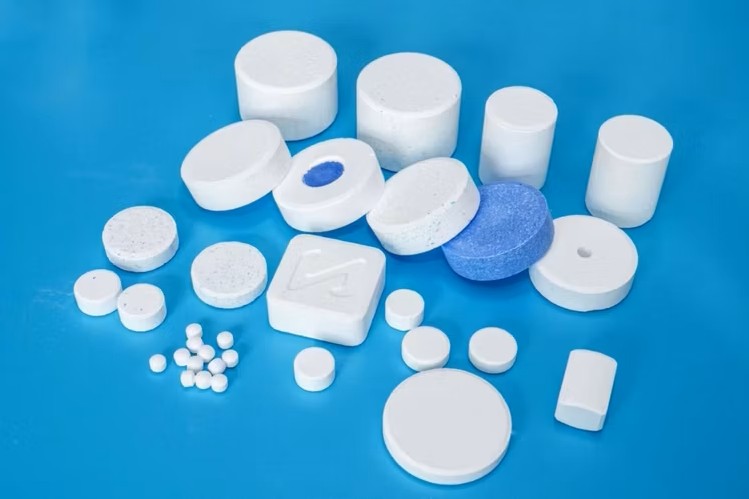
- Physical Form: Tablets (20g, 200g, 500g) or granules depending on your dosing system
I’ve seen operations compromise on specifications to save costs, only to face catastrophic losses when substandard products failed to control pathogen outbreaks. The false economy of cheap TCCA simply isn’t worth the risk.
Navigating the Global TCCA Supply Chain
Identifying Reliable Manufacturers
The global TCCA market has consolidated significantly since 2025, with major production hubs concentrated in China, North America, and select European facilities. Based on my supplier audits over the past three years, I’ve identified several red flags that should trigger immediate caution:
- Inconsistent Batch Testing: Reputable manufacturers provide certificates of analysis for every shipment
- Vague Origin Documentation: Legitimate producers transparently disclose manufacturing locations
- Unrealistic Pricing: Market rates for 90%+ purity TCCA typically range between $8,000-$12,000 per metric ton FOB, depending on volume and Incoterms
Quality Assurance Protocols Every Buyer Should Demand
After witnessing too many quality failures, I’ve developed a checklist that my clients use before signing any procurement contract:
- Request third-party laboratory verification from SGS, Intertek, or equivalent
- Verify ISO 9001 certification and relevant chemical manufacturing licenses
- Confirm proper packaging specifications (25kg bags with moisture barriers)
- Establish clear rejection criteria for off-specification deliveries
- Negotiate penalty clauses for delayed shipments during peak season
Strategic Procurement Considerations for 2026
Timing Your Purchases for Optimal Pricing
The TCCA market experiences predictable seasonal fluctuations. Drawing from market data I’ve tracked since 2024, prices typically peak during Q2 when aquaculture operations ramp up production. Smart procurement managers lock in contracts during Q4 or early Q1, securing favorable terms before demand surges.
Building Long-Term Supplier Relationships
Perhaps the most valuable lesson from my career: transactional thinking costs more than relationship building. Suppliers who view you as a partner rather than a one-time buyer will prioritize your orders during shortages, offer technical support during emergencies, and provide early warnings about market shifts.
I maintain that a 5% premium for a trusted supplier often delivers 20% better total value when you factor in reliability, consistency, and support.
Making Your Final Decision
Selecting a TCCA supplier isn’t merely about comparing price sheets. It’s about finding a partner who understands the unique pressures of aquaculture operations and stands behind their product when challenges arise. The questions you should ask potential suppliers go beyond specifications: What’s your emergency response protocol? Can you provide technical support for dosing optimization? How do you handle quality disputes?
Your aquatic stock depends on consistent, reliable disinfection. Choose accordingly.
Author: Marcus Chen
Ready to discuss your TCCA procurement requirements? Visit our contact page to connect with our aquaculture chemical specialists.
