
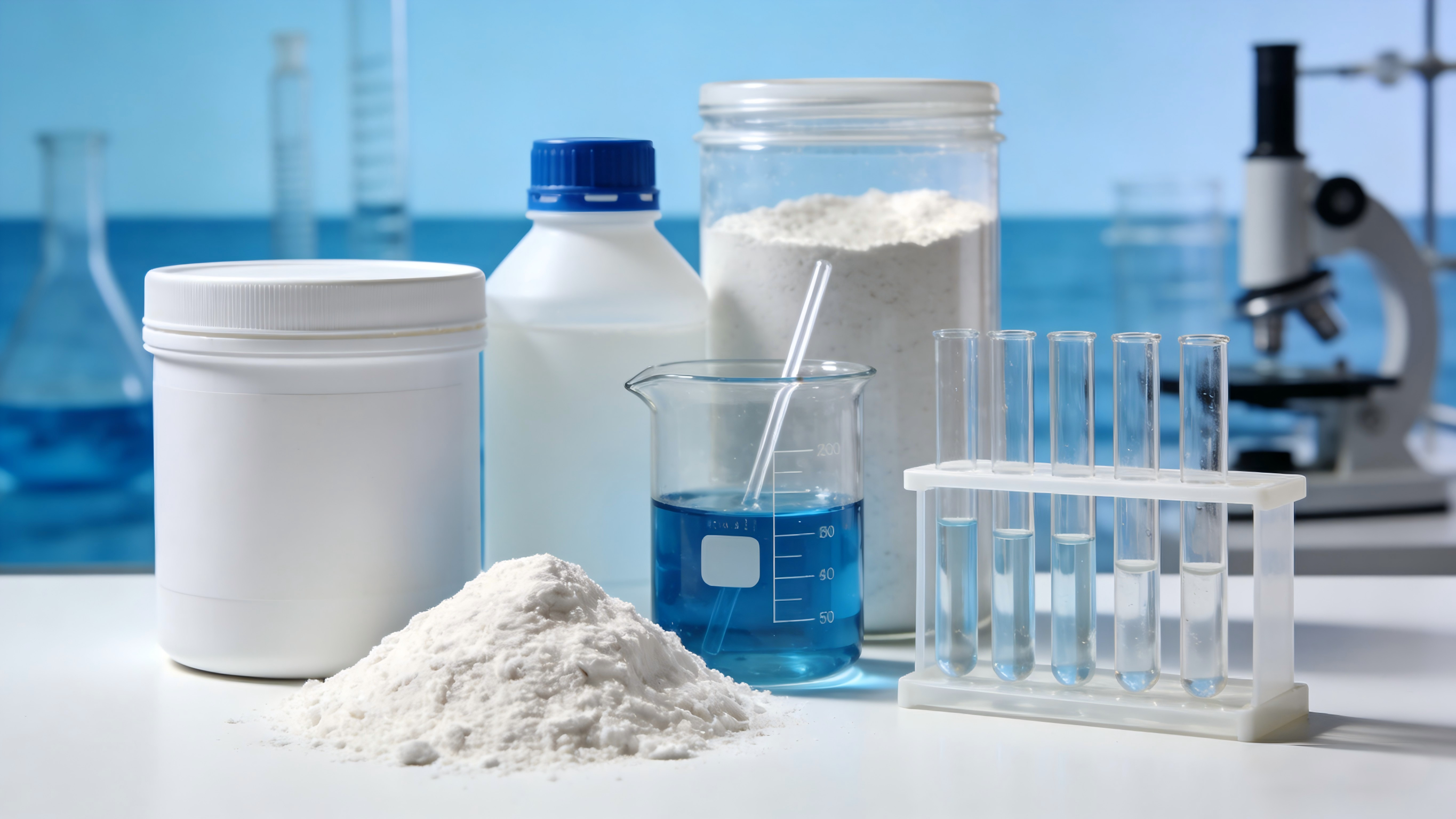
Wholesale Calcium Hypochlorite for Chemical Plants: Industrial Use Essentials Process
Introduction
In the modern chemical manufacturing landscape, calcium hypochlorite stands as one of the most critical oxidizing agents for industrial applications. Chemical plants worldwide rely on this powerful compound for water treatment, disinfection processes, and various chemical synthesis operations. For procurement managers and facility directors seeking wholesale calcium hypochlorite suppliers, understanding the complete industrial use process becomes essential for making informed purchasing decisions. This comprehensive guide explores everything B2B buyers need to know about sourcing, handling, and implementing calcium hypochlorite in chemical plant operations.
Understanding Calcium Hypochlorite: Composition and Properties
Calcium hypochlorite, chemically represented as Ca(OCl)₂, is an inorganic compound that serves as a primary source of chlorine for industrial applications. This white or grayish-white granular solid contains approximately 65-70% available chlorine, making it significantly more concentrated than many alternative chlorine sources.
The compound’s stability and high chlorine content make it particularly valuable for chemical plants requiring consistent disinfection capabilities. When dissolved in water, calcium hypochlorite releases hypochlorous acid, the active disinfecting agent responsible for eliminating bacteria, viruses, and other microorganisms. The slow-release characteristic ensures prolonged effectiveness in various industrial processes.
Primary Industrial Applications in Chemical Plants
Water Treatment Systems
Chemical plants depend heavily on reliable water treatment solutions for boiler systems, cooling towers, and process water purification. Calcium hypochlorite provides effective microbial control while maintaining cost efficiency at scale. Wholesale purchasing enables facilities to maintain adequate inventory levels without frequent reorder complications.
Chemical Synthesis Operations
Many organic synthesis processes require controlled oxidation conditions. Calcium hypochlorite serves as a reliable oxidizing agent for producing various chemical intermediates. Its predictable reaction profiles allow process engineers to maintain consistent product quality across production batches.
Effluent Treatment and Environmental Compliance
Environmental regulations demand rigorous wastewater treatment before discharge. Calcium hypochlorite helps chemical plants meet discharge standards by effectively neutralizing harmful microorganisms and organic contaminants in effluent streams.
Quality Standards and Technical Specifications
Industrial-grade calcium hypochlorite must meet specific quality benchmarks to ensure safe and effective operation. Leading wholesale suppliers provide detailed certificates of analysis documenting chlorine content, moisture levels, heavy metal concentrations, and particle size distribution.
Key Quality Parameters
- Available Chlorine Content: Minimum 65% for premium industrial grade
- Moisture Content: Typically below 5% to ensure stability
- Particle Size: Customized based on application requirements
- Impurity Levels: Strictly controlled heavy metal specifications
- Packaging Integrity: Moisture-resistant containers for safe transport
Reputable manufacturers conduct rigorous quality control testing at multiple production stages. B2B buyers should request comprehensive documentation before finalizing wholesale agreements.
Storage and Handling Guidelines for Chemical Facilities
Proper storage practices significantly impact calcium hypochlorite stability and safety. Chemical plants must establish dedicated storage areas meeting specific environmental conditions.
Storage Requirements
Industrial facilities should maintain cool, dry, well-ventilated storage spaces away from direct sunlight and heat sources. Temperature control between 15-25°C optimizes product stability. Separation from incompatible materials, particularly acids and organic compounds, prevents dangerous reactions.
Handling Procedures
Personnel handling calcium hypochlorite require appropriate personal protective equipment including chemical-resistant gloves, safety goggles, and respiratory protection when dust exposure is possible. Automated dosing systems reduce manual handling risks while improving process consistency.
Safety Considerations and Risk Management
Calcium hypochlorite presents specific safety challenges requiring comprehensive risk management protocols. Understanding potential hazards enables chemical plants to implement appropriate control measures.
Chemical Hazards
As a strong oxidizer, calcium hypochlorite can intensify fires and react violently with certain materials. Compatibility assessments before introducing new chemicals to existing processes prevent dangerous interactions.
Emergency Response Preparedness
Facilities should maintain updated safety data sheets and train personnel on emergency response procedures. Spill containment equipment and neutralization materials must remain readily accessible in storage and usage areas.
Wholesale Procurement Strategies for Chemical Plants
Strategic sourcing decisions impact operational costs and supply chain reliability. B2B buyers should evaluate multiple factors beyond unit pricing when selecting wholesale calcium hypochlorite suppliers.
Supplier Evaluation Criteria
- Production Capacity: Ensures consistent supply during peak demand periods
- Quality Certifications: ISO and industry-specific accreditations demonstrate commitment to standards
- Logistics Capabilities: Reliable delivery networks minimize operational disruptions
- Technical Support: Access to application expertise enhances implementation success
- Pricing Flexibility: Volume-based discounts improve cost efficiency
Contract Considerations
Long-term supply agreements provide price stability and priority allocation during market shortages. Flexible contract terms accommodate fluctuating production requirements while maintaining favorable pricing structures.
Cost Optimization Through Strategic Purchasing
Wholesale purchasing offers significant cost advantages for chemical plants with consistent calcium hypochlorite requirements. Bulk ordering reduces per-unit costs while minimizing administrative overhead associated with frequent small orders.
Inventory management systems help facilities balance storage costs against stockout risks. Just-in-time delivery arrangements with reliable suppliers can optimize working capital without compromising operational continuity.
Environmental and Regulatory Compliance
Modern chemical plants operate under increasingly stringent environmental regulations. Calcium hypochlorite usage requires proper documentation and reporting to regulatory authorities.
Discharge Monitoring
Facilities must monitor residual chlorine levels in discharged wastewater to meet environmental permits. Automated monitoring systems provide real-time compliance data while reducing manual sampling burdens.
Documentation Requirements
Maintaining comprehensive records of chemical purchases, usage, and disposal demonstrates regulatory compliance during inspections. Digital record-keeping systems streamline audit preparation and reporting processes.
Frequently Asked Questions
What is the typical shelf life of industrial calcium hypochlorite?
Properly stored calcium hypochlorite maintains effectiveness for 12-24 months. Storage conditions significantly impact longevity, with cool, dry environments extending product life.
How do I determine the right grade for my chemical plant?
Application requirements dictate grade selection. Water treatment typically uses standard industrial grade, while sensitive chemical synthesis may require premium purity specifications. Consult technical specialists for application-specific recommendations.
What packaging options are available for wholesale orders?
Suppliers offer various packaging configurations including 25kg drums, 50kg bags, and bulk containers. Custom packaging solutions accommodate specific handling and storage requirements.
Can calcium hypochlorite be mixed with other treatment chemicals?
Compatibility assessments are essential before combining chemicals. Never mix with acids or ammonia-based products. Professional guidance prevents dangerous reactions.
What delivery timelines should I expect for wholesale orders?
Standard delivery ranges from 7-14 days depending on location and order volume. Expedited options may be available for urgent requirements. Discuss lead times during supplier negotiations.
How do I ensure product quality upon delivery?
Request certificates of analysis with each shipment. Conduct incoming quality verification testing to confirm specifications match documentation before accepting deliveries.
Conclusion
Selecting the right wholesale calcium hypochlorite supplier represents a critical decision for chemical plant operations. Understanding product specifications, safety requirements, and procurement strategies enables informed purchasing decisions that support operational excellence. Partner with established suppliers who demonstrate commitment to quality, reliability, and technical support.
For comprehensive product information and customized wholesale solutions, visit https://envochemical.com/contact-us/ to connect with experienced chemical supply specialists ready to address your specific industrial requirements.
