
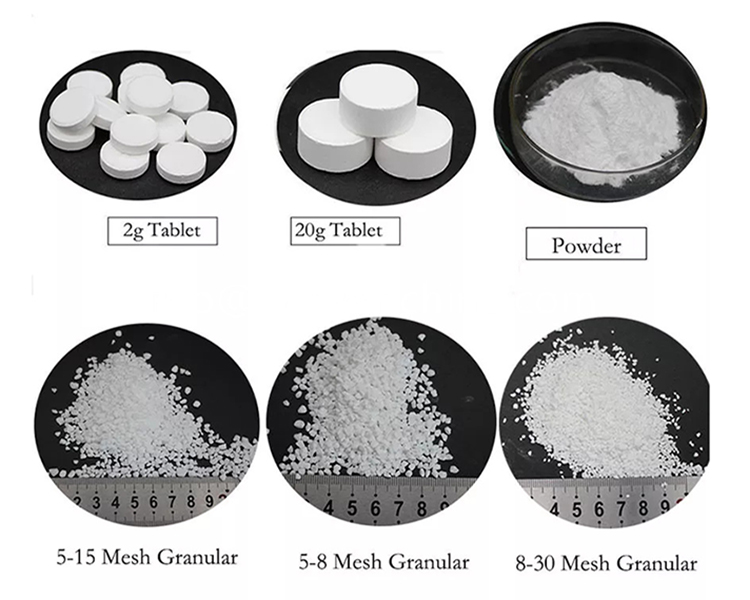
Wholesale Calcium Hypochlorite for Hotel Chains: Efficient Savings
Author: Marcus J. Thornfield
Introduction: The Hidden Cost Drain in Hotel Water Management
After spending over fifteen years in the water treatment chemical industry, I’ve witnessed countless hotel chains struggle with a problem they don’t even realize exists. It’s not the visible issues like cloudy pools or guest complaints about water odor. It’s the silent budget killer: inefficient chemical procurement strategies.
Let me share something I learned early in my career. A major resort chain in Southeast Asia was spending nearly 40% more on water treatment chemicals than necessary. Not because they were using too much product, but because they were purchasing through multiple distributors at retail-adjacent prices. When we consolidated their calcium hypochlorite sourcing to a single wholesale partner, their annual savings exceeded $180,000. That’s not a typo.
For hotel chains managing multiple properties, swimming pools, spa facilities, and potable water systems, calcium hypochlorite remains one of the most effective disinfectants available. But the real question isn’t whether you need it. It’s whether you’re paying the right price for it.
Understanding Calcium Hypochlorite: Why It Matters for Hospitality
The Chemistry Behind Clean Water
Calcium hypochlorite, often referred to as cal-hypo in the industry, is a solid chlorine compound that releases hypochlorite ions when dissolved in water. These ions are what actually kill bacteria, viruses, and algae. What makes it particularly valuable for hotel operations is its stability and high available chlorine content, typically ranging from 65% to 70%.
Unlike liquid bleach solutions that degrade quickly, properly stored calcium hypochlorite maintains its potency for extended periods. This matters tremendously for hotel chains with properties in remote locations or regions where supply chain disruptions are common.
Application Points Across Your Property
Most hotel managers think about pools first. That’s understandable. But calcium hypochlorite serves multiple critical functions throughout your facilities:
- Swimming pools and hot tubs: Primary disinfection and shock treatment
- Spa and wellness centers: Maintaining hygienic water conditions
- Cooling towers: Preventing legionella and biofilm formation
- Potable water storage: Emergency disinfection backup systems
- Laundry facilities: Sanitization of linens and towels
When you consolidate purchasing across all these application points, the volume discounts become substantial.
The Wholesale Advantage: Numbers That Speak Louder Than Marketing
Price Disparities You Should Know About
Based on current market data from 2025-2026, calcium hypochlorite pricing varies dramatically depending on your purchasing channel. Retail distributors might charge anywhere from $1.30 to $2.50 per kilogram for small quantities. Wholesale suppliers, however, can offer rates between $0.80 and $1.30 per kilogram when you commit to tonnage purchases.
Let me do the math for a typical mid-size hotel chain operating fifteen properties. If each property uses approximately 500 kilograms monthly across all water treatment applications, that’s 7,500 kilograms per month or 90,000 kilograms annually. At retail pricing of $2.00 per kilogram, you’re looking at $180,000 per year. At wholesale pricing of $1.10 per kilogram, that drops to $99,000. The difference of $81,000 isn’t pocket change. It’s budget that could fund staff training, facility upgrades, or guest experience improvements.
Volume Tiers and Negotiation Leverage
Here’s something most procurement managers don’t realize: wholesale suppliers operate on tiered pricing structures that aren’t always advertised. The first tier might start at one metric ton. The second tier could kick in at five tons. Beyond twenty tons, you enter serious negotiation territory where custom pricing becomes available.
I’ve seen hotel chains combine their purchasing across properties to reach higher tiers, then distribute product regionally. This approach requires coordination, yes, but the savings justify the administrative effort.
Quality Considerations: Not All Calcium Hypochlorite Is Created Equal
Purity Grades and What They Mean
During my years reviewing supplier specifications, I’ve noticed significant variation in product quality. The available chlorine percentage is the most obvious metric, but it’s not the only one that matters.
Industrial Grade (65-67%): Suitable for cooling towers and non-guest-facing water systems. Cost-effective but may contain more impurities.
Premium Grade (68-70%): Recommended for swimming pools and spa facilities where water clarity and guest comfort are priorities. The additional purity reduces the likelihood of calcium buildup and cloudiness.
Pharmaceutical Grade (70%+): Generally unnecessary for hotel applications unless you’re operating medical facilities within your property.
Storage Stability and Shelf Life
Calcium hypochlorite is hygroscopic, meaning it absorbs moisture from the air. This isn’t just a storage inconvenience. Moisture exposure triggers decomposition, reducing available chlorine and potentially creating safety hazards.
Proper wholesale suppliers package their product in moisture-resistant containers, often with inner plastic liners and outer drums or bags designed for humid climates. If you’re operating properties in tropical regions, this packaging quality becomes critical. I’ve audited hotels where improper storage resulted in 20-30% potency loss before the product was even used.
Supply Chain Resilience: Lessons from Recent Market Disruptions
Trade Policy Impacts
The calcium hypochlorite market has experienced significant turbulence in recent years. Trade measures, including anti-dumping and countervailing duties, have affected pricing and availability from certain manufacturing regions. As of early 2026, some markets face tariff rates exceeding 200% on imports from specific countries.
What does this mean for your procurement strategy? Diversification. Relying on a single supplier or single country of origin creates vulnerability. Smart hotel chains work with wholesale partners who maintain multiple manufacturing relationships across different regions. This ensures continuity even when trade policies shift unexpectedly.
Lead Times and Inventory Planning
Wholesale purchasing allows you to plan ahead rather than react to emergencies. When you’re ordering in tonnage quantities, you can schedule deliveries to align with your low-season periods, reducing storage congestion during peak occupancy months.
I recommend maintaining a minimum of six weeks’ supply on hand for each property. This buffer protects against shipping delays, customs hold-ups, or sudden demand spikes from unexpected group bookings.
Safety and Compliance: Protecting Your Staff and Guests
Handling Protocols
Calcium hypochlorite is classified as a hazardous material for transportation and storage purposes. UN3487 designation applies to hydrated forms, requiring specific packaging and documentation. Your wholesale supplier should provide comprehensive Safety Data Sheets (SDS) and handling guidelines.
Staff training is non-negotiable. I’ve witnessed incidents where housekeeping personnel mixed calcium hypochlorite with acidic cleaners, creating dangerous chlorine gas releases. Proper training prevents these scenarios and protects your team from chemical burns and respiratory irritation.
Regulatory Compliance Across Jurisdictions
Hotel chains operating internationally face varying regulations on chemical storage, disposal, and documentation. A reputable wholesale partner will help you navigate these requirements, providing compliance documentation that satisfies local authorities.
Environmental discharge regulations are particularly important. When pool water requires draining, residual chlorine levels must meet municipal standards. Your water treatment protocol should account for this, and your chemical supplier should offer guidance on neutralization procedures.
Making the Switch: A Practical Implementation Roadmap
Step One: Audit Current Spending
Before approaching wholesale suppliers, gather twelve months of purchasing data across all properties. Include not just calcium hypochlorite, but related chemicals like pH adjusters, algaecides, and clarifiers. Many wholesale suppliers offer bundled pricing when you consolidate multiple product categories.
Step Two: Identify Decision Makers
Procurement decisions for hotel chains often require approval from multiple stakeholders. Finance cares about cost savings. Operations cares about reliability. Risk management cares about compliance. Prepare your business case to address each concern.
Step Three: Request Samples and Certifications
Never commit to a wholesale supplier without testing their product. Request samples for your chief engineer or pool maintenance supervisor to evaluate. Ask for certificates of analysis confirming chlorine content and impurity levels.
Step Four: Negotiate Terms Beyond Price
Payment terms, delivery schedules, return policies, and technical support all factor into the true value of a wholesale relationship. A supplier offering 60-day payment terms provides better cash flow than one demanding upfront payment, even if their per-kilogram price is slightly higher.
FAQ: Common Questions from Hotel Procurement Teams
Q: What minimum order quantity should we expect for wholesale pricing?
A: Most suppliers start wholesale tiers at one metric ton. However, meaningful savings typically begin at five tons or more. For hotel chains, consolidating across properties to reach 10-20 ton orders unlocks the best pricing.
Q: How long does calcium hypochlorite remain effective in storage?
A: When stored properly in cool, dry conditions with sealed containers, expect 12-18 months of shelf life with minimal potency loss. Humidity and heat accelerate degradation significantly.
Q: Can we mix different chlorine products in our water treatment program?
A: This requires careful consideration. Calcium hypochlorite adds both chlorine and calcium to water. In regions with hard water, this can contribute to scaling. Your water treatment specialist should evaluate your specific water chemistry before establishing protocols.
Q: What documentation do we need for international shipments?
A: Expect to require commercial invoices, packing lists, certificates of origin, Safety Data Sheets, and potentially import permits depending on your country. Your wholesale supplier should assist with export documentation.
Q: Are there seasonal price fluctuations we should anticipate?
A: Yes. Demand typically peaks before summer seasons in each hemisphere, which can drive prices up 10-15%. Planning your annual purchases during off-peak periods can yield additional savings.
Q: How do we verify product quality upon delivery?
A: Request certificates of analysis with each shipment. For critical applications, consider third-party testing of random batches. Reputable suppliers welcome this verification and stand behind their specifications.
Final Thoughts: The Strategic Value of Smart Chemical Procurement
Over my career, I’ve learned that cost savings in water treatment chemicals aren’t just about finding the lowest price per kilogram. They’re about building relationships with suppliers who understand your operational needs, can guarantee consistent quality, and provide support when challenges arise.
For hotel chains, the decision to move to wholesale calcium hypochlorite purchasing isn’t merely a procurement adjustment. It’s a strategic initiative that impacts your bottom line, operational reliability, and ultimately, guest satisfaction. Clean, well-maintained water facilities contribute directly to positive guest experiences and online reviews.
The question isn’t whether you can afford to switch to wholesale sourcing. It’s whether you can afford not to.
Ready to explore wholesale calcium hypochlorite options for your hotel chain? Reach out to discuss your specific requirements and discover how strategic chemical procurement can transform your water treatment budget.
