
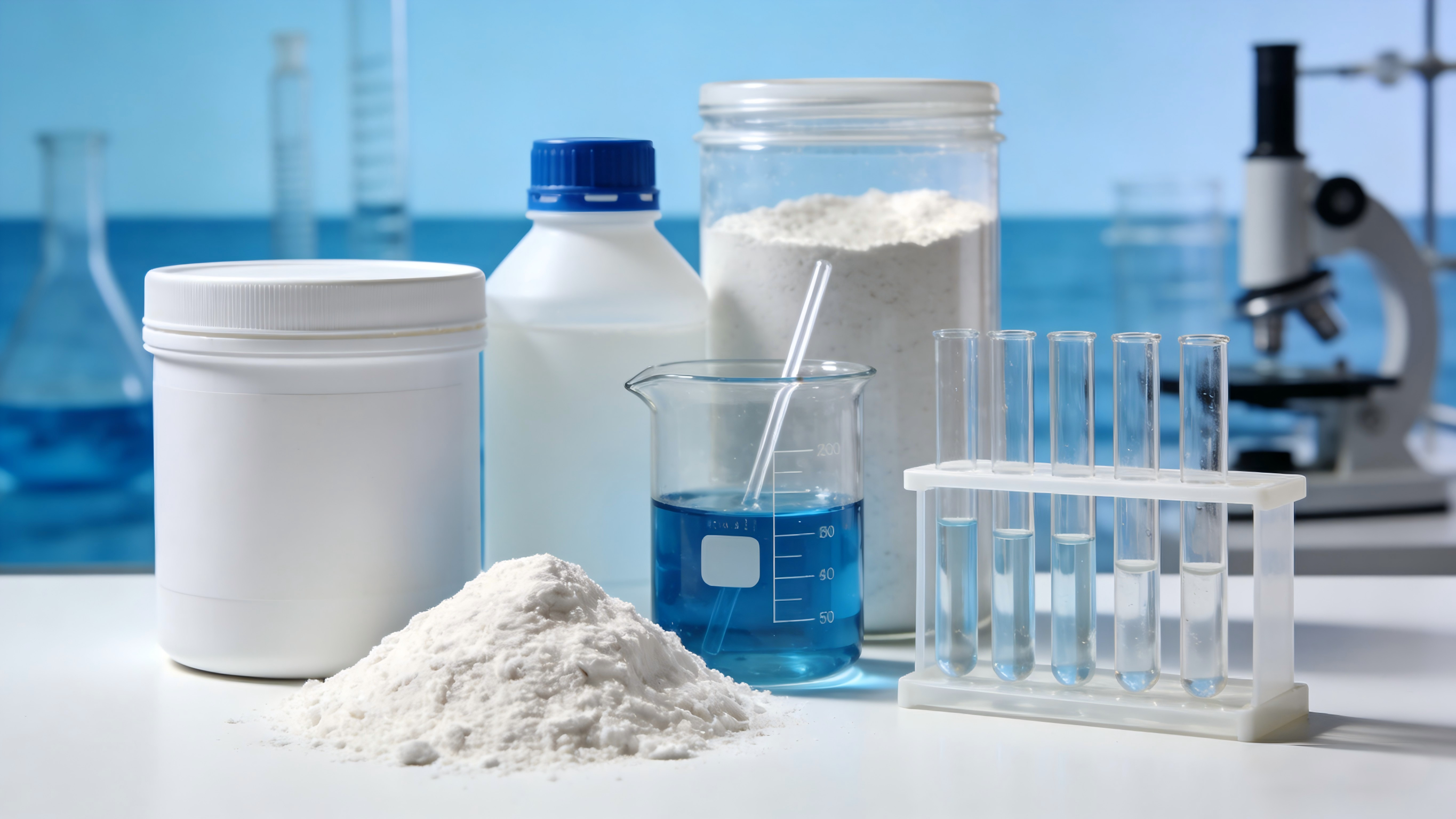
Wholesale Calcium Hypochlorite for Importers: Guide Pricing
Introduction
Calcium hypochlorite stands as one of the most critical chemical compounds in the global water treatment and disinfection industry. For international importers seeking reliable wholesale suppliers, understanding the technical specifications, pricing dynamics, and compliance requirements is essential for making informed procurement decisions. This comprehensive guide provides in-depth analysis of calcium hypochlorite wholesale markets, technical parameters, industry standards, and strategic pricing considerations for B2B buyers in 2026.
The global demand for calcium hypochlorite continues to grow steadily, driven by expanding municipal water treatment programs, swimming pool maintenance requirements, and industrial disinfection applications. Importers must navigate complex supply chains, quality assurance protocols, and evolving regulatory landscapes to secure competitive pricing without compromising product integrity.
Understanding Calcium Hypochlorite: Technical Overview
Chemical Composition and Properties
Calcium hypochlorite, chemically represented as Ca(ClO)₂, is an inorganic compound widely recognized for its powerful oxidizing and disinfecting capabilities. The compound belongs to the hypochlorite family and serves as a stable solid form of chlorine, offering significant advantages over liquid chlorine alternatives in terms of storage, transportation, and handling.
Key Chemical Identifiers:
- CAS Number: 7778-54-3
- Molecular Formula: Ca(ClO)₂
- Molecular Weight: 142.98 g/mol
- EINECS Number: 231-908-7
- UN Number: 1748 (for transport classification)
- HS Code: 2828.10.00
Physical Characteristics
The physical properties of calcium hypochlorite directly influence its handling requirements, storage conditions, and application suitability. Professional importers must verify these specifications against supplier documentation to ensure product consistency.
| Property | Specification |
|---|---|
| Appearance | White to grayish-white powder or granules |
| Odor | Strong chlorine-like odor |
| Density | 2.35 g/cm³ |
| Melting Point | 100°C (decomposes) |
| Solubility | 21g/100ml at 25°C |
| pH (1% solution) | 10.5-11.5 |
| Available Chlorine | 65%-70% (typical commercial grade) |
Grade Classifications and Quality Standards
Industrial Grade Specifications
Calcium hypochlorite is manufactured in multiple grades to serve diverse application requirements. Understanding these classifications enables importers to match product specifications with end-user needs while optimizing cost structures.
Technical Grade (65-70% Available Chlorine):
- Primary application: Municipal water treatment, industrial disinfection
- Moisture content: ≤5%
- Calcium chloride content: ≤15%
- Insoluble matter: ≤3%
Swimming Pool Grade (70% Available Chlorine):
- Enhanced purity for recreational water applications
- Lower insoluble residue for reduced filtration burden
- Stabilized formulation for extended shelf life
Bleaching Powder Grade (28-35% Available Chlorine):
- Cost-effective option for textile and paper industries
- Higher calcium chloride content acceptable
- Suitable for non-critical disinfection applications
International Quality Standards Compliance
Reputable manufacturers adhere to recognized international standards to ensure product consistency and safety. Importers should request certification documentation verifying compliance with applicable standards.
ASTM Standards:
- ASTM E1229-21: Standard Specification for Calcium Hypochlorite (Granular Industrial Grade)
- Specifies requirements for chemical composition, physical properties, and testing methods
ISO Standards:
- ISO 9001: Quality Management Systems certification for manufacturing facilities
- ISO 14001: Environmental Management Systems compliance
Regional Regulatory Requirements:
- EPA Registration (United States)
- REACH Compliance (European Union)
- GB Standards (China domestic market)
Wholesale Pricing Analysis 2025-2026
Current Market Price Trends
The calcium hypochlorite wholesale market has experienced significant volatility throughout 2025, with prices demonstrating a “step-wise increase with high-level consolidation” pattern. Importers must understand these dynamics to time their procurement strategically.
Price Range by Specification (FOB China Ports):
| Product Form | Available Chlorine | Price Range (USD/MT) | Minimum Order Quantity |
|---|---|---|---|
| Granular | 65% | $500-$850 | 20 MT |
| Granular | 70% | $850-$1,100 | 20 MT |
| Tablet | 70% | $900-$1,200 | 10 MT |
| Powder | 65% | $480-$780 | 25 MT |
| Small Packaging | 65-70% | $0.80-$1.30/kg | 1,000 kg |
Factors Influencing Pricing
Multiple variables impact wholesale calcium hypochlorite pricing. Savvy importers evaluate these factors when negotiating contracts and establishing long-term supply agreements.
Raw Material Costs:
- Chlorine gas prices fluctuate based on energy costs and production capacity
- Lime (calcium hydroxide) availability affects manufacturing economics
- Energy costs represent approximately 30-40% of production expenses
Logistics and Transportation:
- Ocean freight rates from major production hubs (Qingdao, Tianjin, Shanghai)
- Hazardous material shipping surcharges (Class 5.1 Oxidizer)
- Port handling fees and documentation requirements
Trade Policy Considerations:
- Anti-dumping duties vary by destination country
- United States maintains anti-dumping rates exceeding 210% on Chinese-origin products
- Alternative sourcing from third-country manufacturers may reduce tariff exposure
Regional Price Variations
Geographic location significantly impacts landed costs for importers. Understanding regional pricing differentials enables strategic sourcing decisions.
North America:
- Higher landed costs due to anti-dumping measures
- Premium pricing for EPA-registered products
- Strong demand from municipal water treatment sector
European Union:
- REACH compliance adds certification costs
- Environmental regulations drive preference for low-residue formulations
- Competitive pricing from Middle Eastern suppliers
Southeast Asia:
- Growing demand from expanding tourism industry
- Competitive pricing from regional manufacturers
- Reduced shipping costs for nearby sourcing
Technical Performance Data
Disinfection Efficiency
Calcium hypochlorite’s effectiveness as a disinfectant is measured by its available chlorine content and dissolution characteristics. Performance data guides application dosing and treatment protocols.
Chlorine Release Profile:
- Initial available chlorine: 65-70% (high-grade products)
- Dissolution rate: 95% within 30 minutes (granular form)
- Residual chlorine maintenance: 4-8 hours in treated water
- Effective against bacteria, viruses, and algae
Comparative Performance Metrics:
| Parameter | Calcium Hypochlorite | Sodium Hypochlorite | Trichloroisocyanuric Acid |
|---|---|---|---|
| Available Chlorine | 65-70% | 10-15% | 90% |
| pH Impact | Increases pH | Increases pH | Neutral |
| Stability (shelf life) | 24 months | 3-6 months | 36 months |
| Solubility | Moderate | High | Low |
| Cost per kg Cl₂ | $1.20-$1.80 | $2.50-$3.50 | $2.00-$2.80 |
Storage Stability Testing
Proper storage conditions maintain product integrity throughout the supply chain. Accelerated aging studies provide importers with shelf life expectations under various conditions.
Stability Under Different Conditions:
| Storage Condition | Temperature | Humidity | Shelf Life Retention |
|---|---|---|---|
| Optimal | 15-25°C | <50% | 100% at 24 months |
| Moderate | 25-35°C | 50-70% | 85% at 18 months |
| Adverse | >35°C | >70% | 60% at 12 months |
Degradation Factors:
- Moisture absorption accelerates decomposition
- Exposure to sunlight reduces available chlorine by 5-10% monthly
- Contact with organic materials creates fire hazard
- Metal contamination (iron, copper) catalyzes decomposition
Safety and Handling Requirements
Hazard Classification
Calcium hypochlorite is classified as a hazardous material requiring specialized handling protocols throughout the supply chain. Importers must ensure compliance with international transportation and workplace safety regulations.
GHS Classification:
- Oxidizing Solid: Category 1 (H271)
- Acute Toxicity (Oral): Category 4 (H302)
- Skin Corrosion/Irritation: Category 1B (H314)
- Hazardous to Aquatic Environment: Category 1 (H400)
Transport Classification:
- UN Number: 1748
- Proper Shipping Name: Calcium Hypochlorite, dry
- Hazard Class: 5.1 (Oxidizing Substance)
- Packing Group: II
Packaging Specifications
Proper packaging protects product integrity and ensures safe transportation. Importers should verify packaging meets international standards for hazardous materials.
Standard Packaging Options:
| Package Type | Net Weight | Material Specification | Pallet Configuration |
|---|---|---|---|
| Plastic Drum | 25 kg | HDPE with inner liner | 40 drums/pallet |
| Fiber Drum | 50 kg | Multi-wall with moisture barrier | 20 drums/pallet |
| Bulk Bag | 500-1,000 kg | Woven PP with PE liner | 2 bags/pallet |
| IBC Container | 1,000 kg | Steel frame with HDPE bottle | 1 per shipping unit |
Labeling Requirements:
- Product name and grade specification
- Available chlorine percentage
- Batch number and manufacturing date
- Hazard pictograms and signal words
- First aid measures and emergency contact information
Import Compliance and Documentation
Required Certifications
International importers must secure appropriate documentation to clear customs and meet regulatory requirements in destination markets.
Essential Documentation Package:
- Certificate of Analysis (CoA) from manufacturer
- Material Safety Data Sheet (MSDS/SDS) – 16-section format
- Certificate of Origin
- Dangerous Goods Declaration
- Bill of Lading with hazardous material endorsement
- Import license (where applicable)
Quality Verification Protocols
Establishing quality verification procedures protects importers from substandard products and ensures consistency across shipments.
Recommended Testing Parameters:
- Available chlorine content (iodometric titration)
- Moisture content (loss on drying)
- pH of 1% solution
- Insoluble matter content
- Heavy metal contamination (lead, arsenic, mercury)
Third-Party Inspection Options:
- Pre-shipment inspection at manufacturing facility
- Container loading supervision
- Independent laboratory testing at destination port
Strategic Sourcing Considerations
Supplier Evaluation Criteria
Selecting reliable wholesale suppliers requires comprehensive evaluation across multiple dimensions. Importers should develop scoring systems to compare potential partners objectively.
Key Evaluation Factors:
- Manufacturing capacity and production consistency
- Quality management system certifications
- Export experience and reference customers
- Financial stability and credit terms
- Technical support and after-sales service
- Flexibility for custom specifications
Contract Negotiation Best Practices
Well-structured supply agreements protect importer interests while establishing clear expectations for both parties.
Critical Contract Elements:
- Specification tolerances and acceptance criteria
- Pricing adjustment mechanisms for raw material fluctuations
- Delivery schedules and penalty clauses for delays
- Force majeure provisions
- Dispute resolution procedures
- Intellectual property protection for custom formulations
Risk Mitigation Strategies
Diversification and contingency planning reduce supply chain vulnerability for calcium hypochlorite importers.
Recommended Approaches:
- Maintain relationships with multiple qualified suppliers
- Establish safety stock levels based on consumption patterns
- Monitor trade policy developments in key markets
- Consider third-country transshipment for tariff optimization
- Invest in supplier development programs for critical partners
Frequently Asked Questions (FAQ)
Q1: What is the typical shelf life of calcium hypochlorite?
A: Properly stored calcium hypochlorite maintains specifications for 24 months from manufacturing date. Storage conditions significantly impact shelf life – products should be kept in cool, dry, well-ventilated areas away from direct sunlight and organic materials. Humidity control is critical, as moisture absorption accelerates decomposition.
Q2: How do I calculate the correct dosage for water treatment applications?
A: Dosage calculations depend on water volume, contamination level, and desired residual chlorine concentration. General guideline: 1 gram of 70% calcium hypochlorite treats approximately 100 liters of water to achieve 1 ppm residual chlorine. Always conduct jar testing to determine optimal dosage for specific water conditions.
Q3: What are the main differences between 65% and 70% grade products?
A: The primary difference is available chlorine content, affecting dosing requirements and cost per unit of active chlorine. 70% grade offers approximately 7.7% more active chlorine, potentially reducing transportation and storage costs per unit of treatment capacity. However, 65% grade may offer better value depending on pricing differentials.
Q4: Can calcium hypochlorite be mixed with other water treatment chemicals?
A: Calcium hypochlorite should never be mixed with acids, ammonia, or other chlorine compounds, as dangerous reactions may occur. Sequential addition with proper contact time between chemicals is recommended. Always consult technical documentation before combining treatment chemicals.
Q5: What packaging options are available for bulk imports?
A: Standard options include 25kg plastic drums, 50kg fiber drums, 500-1000kg bulk bags, and IBC containers. Packaging selection depends on order volume, handling equipment availability, and distribution requirements. Custom packaging can be arranged for large volume contracts.
Q6: How do anti-dumping duties affect pricing for US importers?
A: United States maintains anti-dumping duties exceeding 210% on Chinese-origin calcium hypochlorite. Importers should explore alternative sourcing from countries without duty exposure or consider third-country transshipment arrangements with proper documentation and compliance verification.
Q7: What testing should be performed upon receipt of shipments?
A: Recommended incoming inspection includes available chlorine verification, moisture content analysis, visual inspection for clumping or discoloration, and packaging integrity assessment. Third-party laboratory testing provides independent verification for critical applications.
Q8: Are there seasonal price fluctuations in the calcium hypochlorite market?
A: Yes, prices typically increase during spring and summer months due to heightened demand from swimming pool and water treatment sectors. Strategic importers often secure contracts during off-peak periods (fall/winter) to lock in favorable pricing.
Conclusion
Wholesale calcium hypochlorite procurement requires careful consideration of technical specifications, pricing dynamics, regulatory compliance, and supply chain reliability. Importers who invest time in understanding these factors position themselves for successful long-term partnerships with quality manufacturers.
The 2025-2026 market environment presents both challenges and opportunities for international buyers. While trade policies and raw material costs create pricing pressure, growing global demand for water treatment solutions ensures sustained market growth. Strategic importers who develop comprehensive supplier evaluation frameworks, maintain diversified sourcing portfolios, and stay informed about regulatory developments will thrive in this competitive landscape.
For importers seeking reliable calcium hypochlorite suppliers with competitive pricing, comprehensive technical support, and proven export capabilities, thorough due diligence remains the foundation of successful procurement strategies. Partner with manufacturers who demonstrate commitment to quality, safety, and customer service excellence.
This guide provides general information for educational purposes. Importers should consult with qualified professionals for specific regulatory, technical, and commercial advice related to their individual circumstances.—
Ready to Discuss Your Calcium Hypochlorite Requirements?
For detailed quotations, technical specifications, and customized supply solutions, visit our contact page to connect with our international sales team.
Article Published: March 2026 | Last Updated: March 2026
