
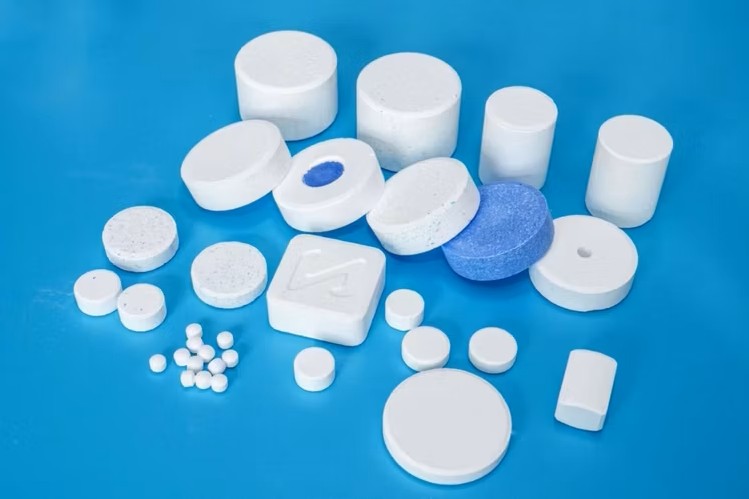
Wholesale Calcium Hypochlorite for Importers: Import Pricing
Introduction
Calcium hypochlorite remains one of the most essential chemicals in the global water treatment, sanitation, and disinfection industries. For importers seeking reliable wholesale calcium hypochlorite suppliers, understanding import pricing dynamics is crucial for making informed purchasing decisions. This comprehensive guide explores the key factors influencing calcium hypochlorite import costs, market trends for 2025-2026, and strategic solutions for international buyers navigating this complex chemical commodity market.
Whether you are a distributor, water treatment facility operator, or chemical trading company, this article provides actionable insights to optimize your calcium hypochlorite procurement strategy while minimizing risks associated with international chemical imports.
Understanding Calcium Hypochlorite: Product Overview
Chemical Specifications and Grades
Calcium hypochlorite (CAS: 7778-54-3) is available in multiple purity grades to meet diverse application requirements. The most common specifications include:
- 50% Grade: Standard grade for general disinfection applications
- 65% Grade: Mid-range purity suitable for swimming pool treatment and municipal water systems
- 75% Grade: High-purity grade for industrial and specialized sanitization purposes
The chemical is typically packaged in 25kg or 50kg drums, with minimum order quantities starting from 1 metric ton for wholesale transactions. Proper storage requires cool, ventilated, and dry warehouse conditions to maintain product stability and safety.
Primary Applications Driving Global Demand
The worldwide demand for calcium hypochlorite continues to grow across multiple sectors:
- Water Treatment: Municipal drinking water purification and wastewater management
- Swimming Pool Sanitation: Residential and commercial pool maintenance
- Industrial Disinfection: Food processing facilities and healthcare institutions
- Agricultural Applications: Crop protection and post-harvest treatment
- Emergency Sanitation: Disaster relief and temporary water purification systems
Import Pricing Factors for Wholesale Calcium Hypochlorite
Raw Material and Production Costs
The base pricing for calcium hypochlorite is fundamentally influenced by raw material availability, particularly chlorine and lime derivatives. Production costs fluctuate based on energy prices, environmental compliance requirements, and manufacturing capacity utilization rates. In 2025-2026, manufacturers have reported moderate cost increases due to tighter environmental regulations and elevated energy expenses in major producing regions.
International Trade Regulations and Tariffs
Import pricing significantly varies depending on destination country trade policies. Notably, certain markets impose substantial anti-dumping and countervailing duties on calcium hypochlorite imports from specific countries. For instance, recent trade decisions have resulted in combined tariff rates exceeding 200% for some origin-destination combinations. Importers must carefully evaluate:
- Anti-dumping duty rates applicable to their target markets
- Countervailing duty assessments
- Sunset review outcomes affecting long-term trade viability
- Alternative sourcing countries with favorable trade agreements
Logistics and Shipping Considerations
Ocean freight costs, insurance premiums, and port handling fees contribute substantially to landed costs. Calcium hypochlorite is classified as a hazardous material (Class 5.1 Oxidizer), requiring specialized shipping documentation and handling procedures. Key logistics factors include:
- Container type requirements (typically 20ft containers for drummed products)
- Hazardous material surcharges
- Transit time variations affecting inventory planning
- Port congestion and demurrage risks
Currency Exchange Rate Volatility
International transactions expose importers to foreign exchange risks. Pricing quotations in USD provide relative stability, but buyers paying in alternative currencies must account for exchange rate fluctuations when calculating final import costs. Hedging strategies and forward contracts can help mitigate currency-related pricing uncertainties.
Strategic Sourcing Solutions for Importers
Diversifying Supply Chain Origins
Smart importers reduce dependency on single-country sourcing by developing relationships with manufacturers across multiple regions. Southeast Asian production facilities have emerged as viable alternatives for buyers seeking to navigate trade restriction challenges. This diversification strategy provides:
- Reduced tariff exposure through alternative country-of-origin options
- Enhanced supply chain resilience against regional disruptions
- Competitive pricing through supplier competition
- Flexibility in meeting varying quality specifications
Quality Verification and Compliance
Working with reputable wholesale calcium hypochlorite suppliers requires thorough due diligence. Importers should request:
- Current product specifications and certificates of analysis
- Safety data sheets compliant with international standards
- Manufacturing facility audit reports
- Previous export documentation and references
- Third-party quality inspection capabilities
Negotiating Favorable Import Pricing Terms
Experienced importers leverage several approaches to optimize pricing:
- Volume Commitments: Larger order quantities typically secure better per-ton pricing
- Long-term Contracts: Multi-year agreements provide price stability and priority allocation
- Payment Terms: Letters of credit and advance payment options may unlock discounts
- Incoterms Selection: Choosing appropriate delivery terms (FOB, CIF, DDP) affects total landed costs
- Seasonal Timing: Understanding production cycles helps identify optimal purchasing windows
Market Outlook for 2026 and Beyond
Industry analysts project steady demand growth for calcium hypochlorite through 2026, driven by expanding water treatment infrastructure in developing economies and heightened sanitation awareness post-pandemic. However, importers should remain vigilant regarding:
- Evolving environmental regulations affecting production methods
- Trade policy shifts in major consuming markets
- Raw material supply chain constraints
- Emerging alternative disinfection technologies
Proactive importers who establish strong supplier relationships, maintain flexible sourcing strategies, and stay informed about regulatory developments will be best positioned to secure competitive wholesale calcium hypochlorite import pricing in the evolving global marketplace.
Conclusion
Navigating the wholesale calcium hypochlorite import market requires comprehensive understanding of pricing factors, trade regulations, and strategic sourcing approaches. By implementing the solutions outlined in this guide, importers can optimize their procurement strategies, reduce costs, and build resilient supply chains capable of adapting to market changes.
For importers seeking reliable calcium hypochlorite suppliers with competitive import pricing and comprehensive export support, professional consultation can provide customized solutions matching your specific requirements and destination market conditions.
Frequently Asked Questions (FAQ)
Q1: What is the typical minimum order quantity for wholesale calcium hypochlorite?
A: Most suppliers require minimum orders of 1 metric ton (1000kg) for wholesale transactions. Larger volumes typically qualify for better pricing tiers and preferential shipping terms.
Q2: How do anti-dumping duties affect calcium hypochlorite import pricing?
A: Anti-dumping duties can significantly increase landed costs, with some markets imposing rates exceeding 200%. Importers should verify current duty rates for their specific country of origin and destination before finalizing purchase agreements.
Q3: What packaging options are available for calcium hypochlorite imports?
A: Standard packaging includes 25kg and 50kg drums, with custom packaging available upon request. All packaging must meet international hazardous material transportation regulations.
Q4: How long does calcium hypochlorite remain stable during international shipping?
A: When stored properly in cool, dry conditions, calcium hypochlorite maintains stability for 12-24 months. Proper container selection and transit time management are essential for maintaining product quality.
Q5: What documentation is required for calcium hypochlorite import clearance?
A: Required documents typically include commercial invoice, packing list, bill of lading, certificate of analysis, safety data sheet, and any country-specific import permits or hazardous material declarations.
Q6: Can importers request third-party quality inspection before shipment?
A: Yes, reputable suppliers accommodate third-party inspection services such as SGS, Bureau Veritas, or Intertek to verify product quality and quantity before loading.
