
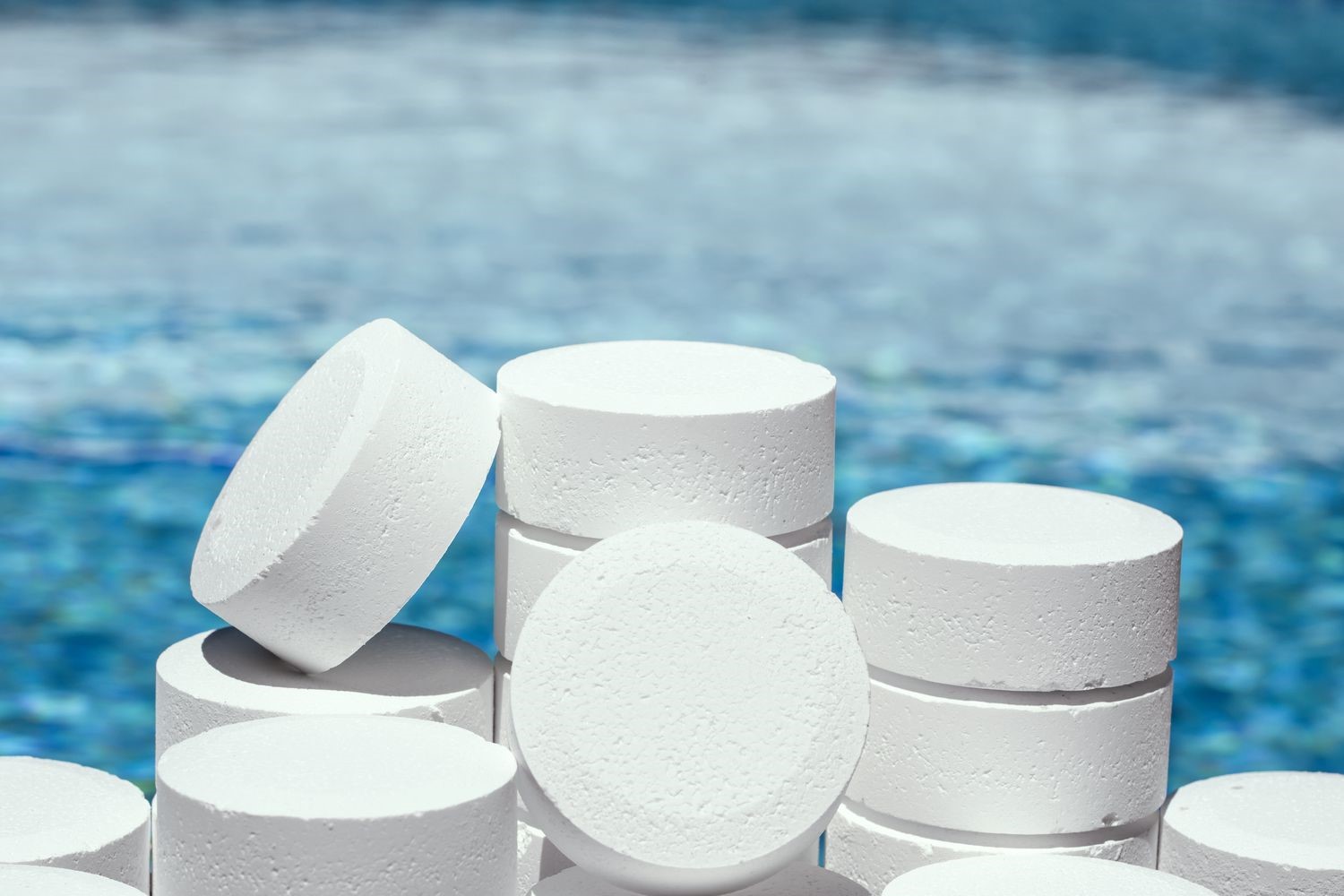
Wholesale SDIC for Chemical Importers: Deals Import
Introduction
In the global chemical trade landscape, Sodium Dichloroisocyanurate (SDIC) has emerged as one of the most sought-after disinfectant and water treatment solutions. For chemical importers seeking reliable wholesale partnerships, understanding the SDIC market dynamics is crucial for making informed purchasing decisions. This comprehensive guide explores everything B2B buyers need to know about sourcing wholesale SDIC, from quality standards to import procedures and competitive pricing strategies.
Understanding SDIC: Properties and Applications
Chemical Composition and Characteristics
Sodium Dichloroisocyanurate, commonly abbreviated as SDIC or NaDCC, carries the CAS number 2893-78-9 and molecular formula C3Cl2N3NaO3. This white crystalline powder or granular solid serves as a powerful oxidizing disinfectant with broad-spectrum antimicrobial properties. The compound typically contains 56% to 60% available chlorine, making it highly effective for various sanitation applications.
SDIC demonstrates excellent water solubility while maintaining stability during storage under proper conditions. The melting point ranges between 240-250°C, and the product remains stable when kept in cool, dry, and well-ventilated environments. These characteristics make SDIC an ideal choice for international shipping and long-term inventory management.
Primary Industrial Applications
The versatility of SDIC extends across multiple industries. Water treatment facilities rely on SDIC for municipal drinking water purification and swimming pool sanitation. Agricultural sectors utilize this compound for equipment disinfection and livestock facility maintenance. Healthcare institutions depend on SDIC-based solutions for surface sterilization and infection control protocols.
Food processing plants incorporate SDIC in their hygiene management systems, while textile manufacturers apply it as a wool finishing agent. The hospitality industry increasingly adopts SDIC for comprehensive facility sanitization, especially following heightened global health awareness post-2020.
Why Choose Wholesale SDIC Suppliers
Cost Efficiency for Bulk Purchasers
Importing SDIC in wholesale quantities offers significant cost advantages compared to retail procurement. Bulk orders typically reduce per-kilogram pricing by 30-45%, enabling importers to maintain competitive margins in their domestic markets. Large-volume purchases also minimize shipping costs per unit, further enhancing overall profitability.
Established wholesale suppliers provide consistent pricing structures that facilitate accurate financial forecasting. This stability proves invaluable for importers managing long-term contracts with end-users in water treatment, healthcare, or agricultural sectors.
Quality Assurance and Certification
Reputable SDIC manufacturers maintain rigorous quality control protocols throughout production. Leading suppliers hold international certifications including ISO 9001, REACH compliance, and various regional safety standards. These certifications ensure products meet destination country regulatory requirements, smoothing customs clearance processes.
Quality documentation packages typically include Certificate of Analysis (CoA), Material Safety Data Sheet (MSDS), and origin certificates. Comprehensive documentation reduces import delays and builds trust with local distributors and end customers.
Key Considerations for SDIC Importers
Packaging and Shipping Requirements
SDIC wholesale shipments commonly utilize 25kg bags, 50kg drums, or customized packaging based on buyer specifications. Proper packaging ensures product integrity during extended ocean freight transit. Moisture-resistant materials prevent degradation from humidity exposure during shipping.
Importers should verify supplier capabilities for handling dangerous goods classifications, as SDIC falls under oxidizing substance categories. Experienced exporters manage all hazardous material documentation, ensuring compliance with International Maritime Dangerous Goods (IMDG) codes.
Lead Times and Supply Chain Reliability
Production lead times for wholesale SDIC orders typically range from 15-30 days, depending on order volume and manufacturer capacity. Established suppliers maintain adequate raw material inventories to accommodate urgent orders without compromising quality standards.
Reliable suppliers provide transparent communication regarding production schedules, shipping timelines, and potential delays. This transparency enables importers to manage customer expectations and maintain service level agreements.
Market Trends and Pricing Dynamics
Global Demand Patterns
The global SDIC market continues experiencing steady growth, driven by increasing water treatment infrastructure investments and heightened sanitation awareness. Asia-Pacific regions dominate production capacity, while North American and European markets show consistent import demand.
Emerging markets in Africa and Latin America present growing opportunities for SDIC importers, as these regions expand municipal water treatment capabilities and healthcare infrastructure.
Price Factors and Negotiation Strategies
SDIC pricing fluctuates based on raw material costs, energy prices, and production capacity utilization. Importers should monitor chlorine and cyanuric acid market trends, as these directly impact SDIC manufacturing costs.
Successful negotiation strategies include committing to annual purchase volumes, establishing long-term partnerships, and timing orders during production off-peak periods. Flexible payment terms and consolidated shipments also provide leverage for securing favorable pricing.
Import Documentation and Regulatory Compliance
Essential Import Documentation
Successful SDIC imports require comprehensive documentation packages. Essential documents include commercial invoices, packing lists, bills of lading, certificates of origin, and product-specific safety documentation. Some destination countries require additional permits for oxidizing substance imports.
Working with experienced freight forwarders familiar with chemical imports streamlines documentation processes and reduces customs clearance delays.
Regulatory Compliance by Region
Different regions maintain varying regulatory requirements for SDIC imports. European Union importers must ensure REACH registration compliance, while North American buyers should verify EPA guidelines. Asian markets often require local product registration before commercial distribution.
Proactive compliance verification prevents costly shipment rejections and maintains importer reputation with regulatory authorities.
Frequently Asked Questions
Q1: What is the minimum order quantity for wholesale SDIC?
Most suppliers accept minimum orders starting from 1 metric ton, though optimal pricing typically applies to orders exceeding 20 metric tons. Flexible suppliers accommodate trial orders for new importers evaluating product quality.
Q2: How long does SDIC remain stable during storage?
When stored in cool, dry conditions away from direct sunlight, SDIC maintains effectiveness for 24-36 months. Proper warehouse management with humidity control extends shelf life and preserves product quality.
Q3: Can SDIC be customized for specific applications?
Yes, manufacturers offer various granule sizes (8-30 mesh, 16-36 mesh) and chlorine content levels (56%, 60%) to meet specific application requirements. Tablet forms and specialized formulations are also available upon request.
Q4: What payment terms do wholesale suppliers typically offer?
Standard payment terms include 30% deposit with balance before shipment, or Letters of Credit for established importers. Long-term partners may negotiate more favorable terms based on purchase history and creditworthiness.
Q5: How do I verify SDIC supplier credibility?
Request factory audit reports, customer references, and certification documents. Third-party inspection services provide additional verification before shipment. Established suppliers welcome buyer visits and transparent communication.
Conclusion
Wholesale SDIC importing presents significant opportunities for chemical distributors seeking reliable, high-demand products. Success depends on partnering with qualified suppliers, understanding regulatory requirements, and maintaining clear communication throughout the supply chain. By following the guidelines outlined in this article, importers can establish profitable, sustainable SDIC distribution businesses that serve growing global sanitation needs.
Ready to explore wholesale SDIC opportunities? Visit our contact page to connect with experienced chemical sourcing specialists who can guide your import journey from inquiry to delivery.
